Acharei Mot-Kedoshim: A Guide to Holiness and Practical Living
 This week’s Torah portion, Acharei Mot-Kedoshim, gives important lessons on how to lead a holy and ethical life. Found in Leviticus 16:1–20:27, these parashot provide guidance on spiritual growth, community responsibility, and personal behavior in Orthodox Judaism. This article discusses the main ideas and lessons of Acharei Mot-Kedoshim, providing insights for today while including search-friendly terms like “Torah portion Acharei Mot,” “Kedoshim parasha,” and “Orthodox Jewish teachings.”
Overview of Acharei Mot: Atonement and Purity
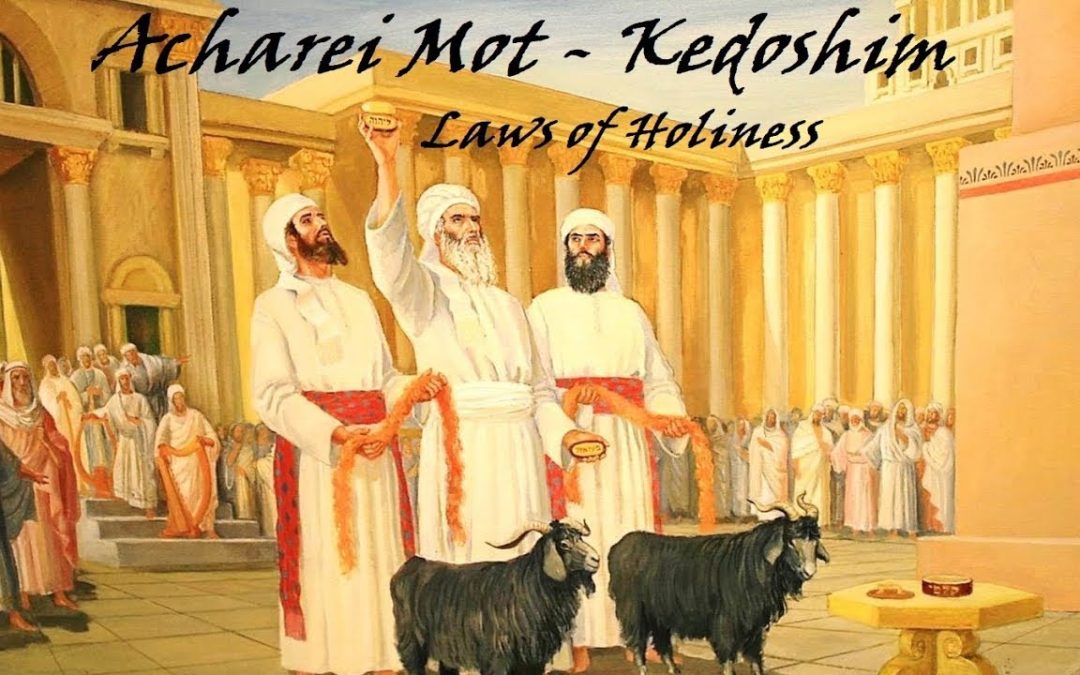
Acharei Mot, meaning “after the death,” explores the events following the devastating loss of Aaron’s sons, Nadav and Avihu, who presented unauthorized fire before God. This parasha outlines the Yom Kippur service, including the rituals of the High Priest, the scapegoat, and the atonement process. It emphasizes the importance of purity, repentance, and adherence to God’s commandments.
The portion also addresses forbidden relationships and behaviors, reinforcing the need for moral boundaries in personal and communal life. By focusing on atonement and purity, Acharei Mot sets the stage for the holiness demanded in Kedoshim.
The Yom Kippur Service in Acharei Mot
The detailed instructions for Yom Kippur in Leviticus 16 highlight the centrality of repentance in Jewish tradition. The High Priest’s rituals, such as entering the Holy of Holies and sending the scapegoat into the wilderness, represent the removal of sin and the restoration of spiritual purity. For Orthodox Jews, this underscores the power of teshuva (repentance) to mend relationships with God and others.
In our lives, the Yom Kippur service in Acharei Mot reminds us to take accountability for our actions. By reflecting on our mistakes and seeking forgiveness, we can achieve personal growth and strengthen our connection to God. This process is not limited to Yom Kippur but can be applied daily through prayer and introspection.
Moral Boundaries and Ethical Conduct
Acharei Mot also lists forbidden relationships and behaviors in Leviticus 18, emphasizing the importance of maintaining moral integrity. These commandments distinguish the Jewish people from surrounding nations, calling them to a higher standard of holiness. For Orthodox Jews, these laws are timeless, guiding family life and personal conduct.
Practically, we can apply these teachings by cultivating modesty, respecting boundaries, and fostering healthy relationships. Following these guidelines fosters a society based on respect and dignity, in line with the Torah’s vision of holiness.
Kedoshim: The Call to Holiness
Kedoshim means “holy ones” and starts with God saying, “Be holy, for I, the Lord your God, am holy.” (Leviticus 19:2) This parasha is a blueprint for ethical living, encompassing interpersonal relationships, business ethics, and spiritual devotion. It includes some of the Torah’s most famous commandments, such as loving your neighbor as yourself and observing the Sabbath.
Loving Your Neighbor as Yourself
One of the most iconic verses in Kedoshim is Leviticus 19:18: “You shall love your neighbor as yourself.” This commandment is a cornerstone of Orthodox Jewish ethics, emphasizing compassion, empathy, and communal responsibility. The Torah portion expands on this by prohibiting gossip, hatred, and vengeance, encouraging positive interactions instead.
In our daily lives, we can embody this principle by performing acts of kindness, listening attentively, and resolving conflicts peacefully. For example, helping a neighbor with groceries or offering words of encouragement reflects the spirit of Kedoshim. By prioritizing others’ needs, we fulfill the Torah’s call to holiness.
Ethical Business Practices
Kedoshim also addresses honesty in business, commanding fair weights and measures (Leviticus 19:35-36). This reflects the Torah’s emphasis on integrity in all dealings, whether personal or professional. For Orthodox Jews, these laws are not merely suggestions but divine imperatives that shape every aspect of life.
We can apply these teachings by ensuring transparency in our work, paying employees fairly, and treating customers with respect. A business owner may verify pricing for fairness, while an employee works hard to maintain trust with coworkers. These actions align with the Kedoshim parasha’s vision of ethical living.
Observing the Sabbath
The commandment to observe the Sabbath appears in Kedoshim (Leviticus 19:3), reinforcing its centrality in Jewish life. Shabbat is a time to disconnect from worldly concerns and reconnect with God, family, and community. For Orthodox Jews, Sabbath observance is a weekly opportunity to sanctify time and affirm faith.
Practically, we can enhance our Shabbat experience by preparing meaningful meals, studying Torah, and engaging in heartfelt prayer. Even small actions, like lighting candles or singing zemirot (Sabbath songs), can deepen our connection to this holy day. By prioritizing Shabbat, we embody the holiness of Kedoshim.
Key Themes of Acharei Mot-Kedoshim
Both parashot emphasize holiness, atonement, and ethical living, but they approach these themes from different angles. Acharei Mot focuses on ritual purity and moral boundaries, while Kedoshim broadens the scope to include interpersonal and societal ethics. Together, they form a comprehensive guide to living as a holy nation.
Holiness as a Way of Life
The command to “be holy” in Kedoshim is not limited to spiritual elites but applies to every Jew. Holiness, in the Orthodox view, is achieved through everyday actions—keeping kosher, honoring parents, and treating others with kindness. Acharei Mot enhances this idea by illustrating that true holiness demands both accountability and repentance.
We can integrate this theme by infusing our daily routines with purpose. For example, saying a blessing before eating or pausing to reflect before speaking can elevate mundane moments. By aligning our actions with Torah values, we live out the holiness of Acharei Mot-Kedoshim.
The Power of Community
Both parashot emphasize how important community is in Jewish life, bringing people together for reflection and repentance, and fostering a stronger sense of morality, holiness, and harmony. For Orthodox Jews, community is a source of strength, accountability, and shared purpose.
We can strengthen our communities by participating in synagogue activities, supporting local charities, or hosting Shabbat meals. These actions create a ripple effect, fostering unity and holiness in line with the Torah portion’s teachings.
Practical Applications for Modern Life
The teachings of Acharei Mot-Kedoshim are as relevant today as they were in biblical times. By applying these lessons, we can navigate modern challenges while staying true to Orthodox Jewish values. Below are practical ways to incorporate this parasha into our lives.
Cultivating Personal Growth
The focus on introspection in Acharei Mot invites us to examine our behaviors consistently. We can set aside time each week to evaluate our behavior, identify areas for improvement, and make amends where needed. Journaling or discussing our goals with a trusted friend can deepen this process.
For example, if we’ve spoken harshly to someone, we can apologize and commit to more mindful communication. This aligns with the Torah’s call to purify our hearts and actions, fostering personal growth.
Building Ethical Relationships
Kedoshim’s emphasis on loving your neighbor encourages us to value and nurture our connections with others. We can engage in active listening, provide support during challenging moments, and take the time to celebrate the achievements of others. In an Orthodox context, this might mean visiting a sick community member or inviting a newcomer to a Shabbat meal.
By treating others with respect and empathy, we create a culture of kindness that reflects the Kedoshim parasha’s ideals. These small gestures have a lasting impact on our families and communities.
Enhancing Spiritual Practice
Both parashot emphasize the importance of spiritual discipline, from Yom Kippur rituals to Sabbath observance. We can enhance our spiritual lives by studying Torah regularly, attending synagogue services, and deepening our prayer practice. Studying a commentary on Acharei Mot-Kedoshim can offer valuable new perspectives on these parashot.
Additionally, we can incorporate mindfulness into our mitzvot. When lighting Shabbat candles, we might pause to reflect on the holiness of the moment. These practices strengthen our connection to God and the Torah.
Challenges and Opportunities
Living out the teachings of Acharei Mot-Kedoshim in a modern world presents both challenges and opportunities. The fast-paced nature of contemporary life can make it difficult to prioritize holiness, repentance, and community. However, these parashot offer timeless wisdom to guide us.
Overcoming Distractions
The digital age brings constant distractions, from social media to work demands. Kedoshim’s call to holiness encourages us to establish boundaries, like reducing screen time on Shabbat or having tech-free hours for family. Creating opportunities for contemplation allows us to resonate with the values of the parasha.
Embracing Accountability
Acharei Mot’s emphasis on self-reflection can feel overwhelming, as it demands a candid acknowledgment of our flaws. Yet, this process is liberating, offering a path to growth and renewal. We can embrace accountability by seeking guidance from a rabbi or mentor, who can provide perspective and support.
Seizing Opportunities for Holiness
Every challenge is an opportunity to live out the Torah’s teachings. Acharei Mot-Kedoshim inspires us to make sacred decisions, whether by resolving conflicts with compassion or upholding integrity in our business practices. By seizing these moments, we fulfill the command to be a holy nation.
Conclusion
The Torah portion of Acharei Mot-Kedoshim is a powerful guide to living a life of holiness, atonement, and ethical integrity. The Yom Kippur service and the commandment to love your neighbor provide timeless wisdom for Orthodox Jews and others. By applying their teachings—through repentance, kindness, and spiritual discipline—they can navigatee modern challenges while staying true to Torah values.
This week, as we study Acharei Mot-Kedoshim, let’s commit to infusing our lives with holiness. Through small acts of kindness or significant moments of teshuva, we can reflect the Torah’s vision of a holy nation. By doing so, we not only honor God’s commandments but also create a better world for ourselves and our communities.