
Housing Opportunities in Beer Sheva: A Comprehensive Guide to the Negev’s Capital
Be’er Sheva, often referred to as the “Capital of the Negev,” is a vibrant and rapidly growing city in southern Israel. As the largest city in the 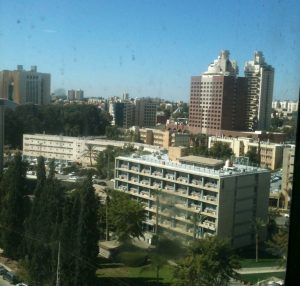 Negev desert, it has transformed into a significant academic, cultural, and economic hub, making it an attractive destination for homebuyers and investors alike. This article explores the diverse housing opportunities in Beer Sheva, detailing neighborhoods, property types, recent price trends, and investment potential. Whether you’re a first-time buyer, a family, a student, or an investor, Be’er Sheva offers a range of options to suit various needs and budgets.
Overview of Housing Opportunities in Beer Sheva
Be’er Sheva is the second-largest city in Israel by area, covering 117.5 square kilometers, and the eighth-most populous with a population of approximately 214,162 as of 2025. Its strategic location, affordable property prices, and ongoing development projects make it a prime location for housing opportunities. Unlike the bustling and expensive markets of Tel Aviv or Jerusalem, Be’er Sheva offers a more cost-effective alternative without sacrificing access to modern amenities, educational institutions, and employment opportunities.
The city’s real estate market is characterized by a mix of older, more affordable properties and modern, high-quality developments. From the historic charm of the Old City to the family-friendly suburbs of Ramot and Neve Ze’ev, housing opportunities in Beer Sheva cater to a wide audience. The city’s spiral layout, with newer neighborhoods radiating outward from the core, provides diverse options for buyers and renters.
Key Neighborhoods for Housing Opportunities in Beer Sheva
Be’er Sheva is divided into 17 residential neighborhoods, each with its unique character and appeal. Below, we explore some of the most popular areas for housing opportunities, highlighting their features, price ranges, and suitability for different demographics.
Ramot: Upscale Living for Families and Professionals
Ramot, an umbrella neighborhood with four sub-districts, is one of Be’er Sheva’s most upscale areas. Known for its modern apartments, green spaces, and family-friendly environment, Ramot is popular among professionals and families seeking a high quality of life. The neighborhood features single-family homes, large apartments, and villas, with excellent access to schools, parks, and shopping centers.
-
Price Range: The average price for a four-room apartment in Ramot is approximately 1,590,000 ₪, with new five-room apartments starting at 1,450,000 ₪. Rental prices for a two-bedroom apartment range from 3,800 ₪ to 4,500 ₪ per month.
-
Investment Potential: Ramot offers an annual rental yield of about 3%, making it a stable choice for investors. The neighborhood’s ongoing expansion and proximity to high-tech parks like Gav-Yam Negev increase its appeal.
-
Who It’s For: Families, professionals, and investors looking for modern, spacious properties in a suburban setting.
Neve Ze’ev: Affordable Housing for Young Families
Neve Ze’ev, located in the southwest of Be’er Sheva, is a residential area known for its affordability and new developments. It is one of the city’s largest neighborhoods, popular with young couples and first-time homebuyers. The area consists primarily of multi-story buildings, with many new construction projects underway.
-
Price Range: Properties in Neve Ze’ev are approximately 300,000 ₪ less than in Ramot, with four-room apartments starting at 1,290,000 ₪. Rentals for a one-bedroom apartment range from 2,000 ₪ to 2,800 ₪ per month.
-
Investment Potential: Neve Ze’ev’s affordability and high demand make it a hotspot for investors, with annual yields around 3%. The neighborhood’s proximity to shopping centers and schools adds to its attractiveness.
-
Who It’s For: Young families, first-time buyers, and investors seeking entry-level properties with growth potential.
Shchunah Dalet: Student-Friendly and Central
Shchunah Dalet, also known as Neighborhood D, is home to Ben-Gurion University of the Negev, making it a hub for students and academic professionals. Built in the 1950s to house new immigrants, this older neighborhood has evolved into a vibrant area with cafes, restaurants, and entertainment options along its main street, Rager Boulevard.
-
Price Range: Rentals in Shchunah Dalet are affordable, with studio apartments starting at 2,000 ₪ and two-bedroom apartments up to 3,300 ₪ per month. Purchase prices for a four-room apartment average around 1,100,000 ₪.
-
Investment Potential: The high demand for rentals due to the university’s 20,000+ students ensures steady returns for investors. However, older properties may require renovations, which could impact costs.
-
Who It’s For: Students, young singles, and investors targeting the rental market for university-related tenants.
Old City: Historic Charm with Urban Renewal
The Old City, at the heart of Be’er Sheva’s spiral layout, dates back to the early 20th century under Ottoman rule. It houses the city’s main administrative centers and is undergoing urban renewal to enhance its appeal. The area offers a blend of historic charm and modern developments, with plans to make amenities more accessible within walking distance.
-
Price Range: Older apartments in the Old City are among the most affordable, with prices starting at 800,000 ₪ for a three-room unit. Rentals range from 1,800 ₪ for a studio to 3,000 ₪ for a two-bedroom apartment.
-
Investment Potential: Urban renewal projects could increase property values, but older buildings often lack modern amenities like elevators or Mamad (secure) rooms, requiring renovations.
-
Who It’s For: Budget-conscious buyers, history enthusiasts, and investors willing to renovate for future appreciation.
Rakafot: Emerging Neighborhood with Discounted Prices
Rakafot is a new neighborhood in northwest Be’er Sheva, where recent land auctions have facilitated the construction of 682 residential units, including 205 at discounted “target prices”. This area is designed to include educational institutions, parks, and recreational facilities, making it attractive for families.
-
Price Range: Target price apartments start at 844,000 ₪ for a 94 sqm unit, 979,000 ₪ for a 109 sqm unit, and 1,197,000 ₪ for a 129 sqm unit, offering 33–36% discounts below market rates.
-
Investment Potential: The discounted prices and planned amenities make Rakafot a promising area for long-term investment, though infrastructure is still developing.
-
Who It’s For: Families and first-time buyers eligible for subsidized housing programs.
Recent Price Trends in Be’er Sheva’s Housing Market
The housing market in Be’er Sheva has seen steady growth, driven by the city’s development and affordability compared to central Israel. According to the Israel Central Bureau of Statistics, the average price of dwellings in Be’er Sheva was over 1.1 million ₪ in the first quarter of 2023, with a slight increase from the previous quarter. Below are key trends influencing housing opportunities in Beer Sheva:
-
New vs. Second-Hand Properties: New apartments are pricier due to higher construction standards and modern amenities. The average price per square meter for new builds is 12,500 ₪, with some projects near Ben-Gurion University reaching 16,000–17,000 ₪/sqm. Second-hand apartments, especially in older neighborhoods, are more affordable but may require renovations due to outdated standards.
-
Subsidized Housing: Programs like “Mechir Lamishtaken” and target price tenders in Rakafot offer discounted apartments, making homeownership accessible for young families and first-time buyers.
-
Rental Market: The rental market remains strong, particularly in student-heavy areas like Shchunah Dalet, with yields averaging 3–3.5% annually. The high demand from students and professionals relocating from central Israel supports rental stability.
-
Urban Renewal: Projects in the Old City and Gimel neighborhoods aim to modernize older areas, potentially increasing property values but requiring initial investment in renovations.
Investment Potential in Be’er Sheva’s Real Estate
Be’er Sheva’s real estate market offers significant opportunities for investors due to its affordability, high rental yields, and ongoing development. Key factors driving investment potential include:
-
Economic Growth: The expansion of Gav-Yam Negev Park and the presence of global tech companies like Teva Pharmaceuticals and Israel Aerospace create jobs, boosting housing demand.
-
Academic Hub: Ben-Gurion University, with over 20,000 students, ensures a steady rental market for student housing. The university’s expansion further increases demand for both rentals and purchases.
-
Infrastructure Improvements: Upgrades to the Be’er Sheva Central Railway Station enhance connectivity to Tel Aviv and Jerusalem, making the city more accessible. The well-developed bus and train network also supports commuters.
-
High-Tech Migration: Be’er Sheva is poised to become Israel’s next Silicon Valley, with high-tech companies relocating south, driving demand for modern housing.
Investors can choose between affordable older properties for renovation and higher-end new builds for immediate rental income. Neighborhoods like Neve Ze’ev and Ramot offer entry-level and upscale options, respectively, while Rakafot’s subsidized units provide long-term growth potential.
Types of Properties Available in Be’er Sheva
The housing opportunities in Beer Sheva include a variety of property types to suit different preferences and budgets:
-
Apartments: The most common property type, ranging from compact studios in Shchunah Dalet to spacious five-room units in Ramot. New apartments feature modern amenities like balconies, parking, and Mamad rooms.
-
Villas and Cottages: Available in upscale areas like Ramot D and the new Dimri River Park project, these offer luxury living with private parking and green spaces.
-
Single-Family Homes: Found in neighborhoods like Shchunah Gimmel and Ramot, these are ideal for families seeking space and privacy.
-
Subsidized Housing: Target price units in Rakafot and other areas provide affordable options for eligible buyers.
-
Housing Units in Suburbs: In nearby suburbs like Omer and Lehavim, buyers can find large houses or separate units, though a car is often necessary.
Practical Considerations for Buying or Renting in Be’er Sheva
When exploring housing opportunities in Beer Sheva, consider the following:
-
Realtor Services: Both buyers and renters often use realtors, who charge a commission equivalent to one month’s rent or 10% of total rental costs for short-term contracts, plus 17% tax. English-speaking realtors are available through agencies like Anglo-Saxon.
-
Remote Purchases: Foreigners and those abroad can purchase properties remotely, with installment plans offered by many developers. Foreigners have the right to buy under Israel’s Law of Return.
-
Safety Standards: Newer apartments meet modern safety standards, including Mamad rooms, while older properties may lack these features, requiring renovations.
-
Transportation: Be’er Sheva’s bus and train networks make car ownership optional in central areas like Shchunah Dalet, but suburbs like Ramot D or Lehavim may require a vehicle.
-
Cost of Living: Be’er Sheva is more affordable than Tel Aviv or Jerusalem, with lower housing costs and reasonable prices for food and entertainment. For example, a falafel costs around 20 ₪, while a nice restaurant meal ranges from 100–200 ₪.
Challenges and Considerations
While Be’er Sheva offers numerous housing opportunities, there are challenges to consider:
-
Older Properties: Many second-hand apartments in neighborhoods like the Old City or Shchunah Dalet were built in the 1950s–60s and lack elevators, parking, or modern safety features, necessitating renovations.
-
Developing Infrastructure: New neighborhoods like Rakafot are still under construction, which may mean limited amenities in the short term.
-
Distance from Central Israel: Be’er Sheva’s location in the Negev makes it less convenient for those needing frequent access to Tel Aviv or Jerusalem, though train commutes take about 80 minutes.
-
Market Fluctuations: While prices are relatively stable, interest rate changes can affect affordability, particularly for second-hand properties bought under older subsidized programs.
Community and Lifestyle in Be’er Sheva
Be’er Sheva’s appeal extends beyond its housing market. The city offers a strong sense of community, with a mix of Jewish and Arab populations, including descendants of Sephardi and Mizrahi Jews. Cultural attractions like the Negev Museum of Art, Carasso Science Park, and the Turkish Railway Station complement modern amenities such as shopping malls (e.g., Grand Canyon) and recreational facilities like the Century Club in Rakafot.
The city’s size strikes a balance—large enough for theaters, malls, and sports facilities, yet small enough to maintain a neighborly atmosphere. Educational institutions, from Ben-Gurion University to technical colleges, cater to diverse academic needs. For families, numerous parks, youth movements, and religious community options enhance the quality of life.
Future Outlook for Housing Opportunities in Beer Sheva
Be’er Sheva’s housing market is poised for continued growth, driven by several factors:
-
Urban Renewal: Plans to revitalize older neighborhoods like Gimel and the Old City will enhance their appeal and potentially increase property values.
-
High-Tech Expansion: The migration of tech companies to Gav-Yam Negev Park will attract professionals, boosting demand for modern housing.
-
Population Growth: The city’s population is expected to grow, supported by new residential projects and infrastructure improvements.
-
Government Support: Subsidized housing programs and urban planning initiatives, like the Local Master Plan for Beer Sheva 2030, ensure long-term development.
Conclusion
Be’er Sheva presents a wealth of housing opportunities in Beer Sheva for buyers, renters, and investors. Its affordability, diverse neighborhoods, and ongoing development make it an attractive alternative to Israel’s more expensive cities. Whether you’re drawn to the upscale Ramot, the budget-friendly Neve Ze’ev, the student-centric Shchunah Dalet, the historic Old City, or the emerging Rakafot, Be’er Sheva has something to offer.
For those considering a move or investment, Be’er Sheva combines economic growth, academic excellence, and a vibrant community with practical housing options. As the city continues to evolve, its real estate market promises stability and potential for appreciation, making it a compelling choice in Israel’s housing landscape. For more information on specific properties or investment opportunities, contact local realtors like Anglo-Saxon or visit platforms like Yad2.co.il.