Housing Opportunities in Negev – Israel´s Future
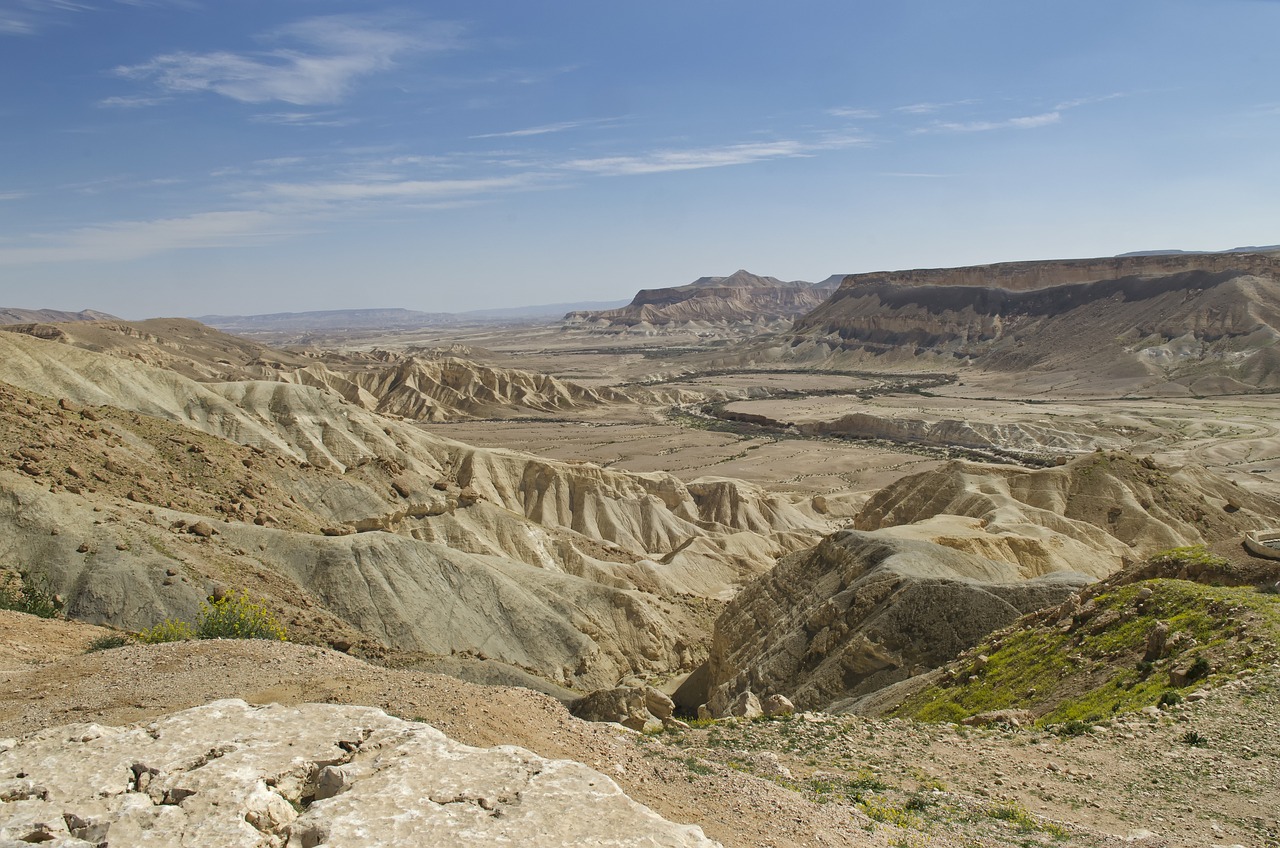
 The Negev Desert, spanning over half of Israel’s land area, is a region of immense potential for growth and development. Its vast open spaces, unique environmental challenges, and strategic importance have made it a focal point for expanding Jewish communities and creating new housing opportunities in Negev. Over the past decade, the Israeli government, in collaboration with organizations like the Jewish National Fund (JNF) and the OR Movement, has prioritized the Negev’s development to address housing shortages, encourage population growth, and fulfill the Zionist vision of settling the desert. This article explores the housing opportunities in Negev, focusing on Jewish communities and cities, their historical context, current developments, the pivotal role of the OR Movement, and the challenges and opportunities shaping the region’s future, with an in-depth look at a diverse range of communities.
Historical Context of Housing Opportunities in Negev
The vision of settling the Negev dates back to Israel’s first Prime Minister, David Ben-Gurion, who saw the desert as a frontier for Jewish settlement and national progress. Since the establishment of the State of Israel in 1948, housing opportunities in Negev have been shaped by waves of immigration, national policies, and the need to populate peripheral regions. In the 1950s and 1960s, public housing initiatives were critical in accommodating new immigrants, with the government constructing affordable apartments to support rapid population growth. These efforts laid the foundation for cities like Beersheba, Dimona, and Arad, which remain central to housing opportunities in Negev today.
Despite these early efforts, the Negev has historically housed only about 8% of Israel’s population, prompting ongoing initiatives to attract residents from crowded urban centers like Tel Aviv and Jerusalem. The OR Movement, founded in 2002, has been a driving force in this mission, promoting settlement in the Negev and Galilee by connecting people with housing opportunities in Negev and fostering sustainable communities. Alongside the JNF’s Blueprint Negev initiative, which aims to double the region’s population by bringing 500,000 new residents, the OR Movement has played a critical role in making housing opportunities in Negev accessible and appealing to diverse groups, including young families, immigrants (olim), and ultra-Orthodox communities.
The historical context of housing opportunities in Negev is also tied to the broader Zionist goal of strengthening Israel’s periphery. The Negev’s strategic location, bordering Jordan and Egypt, underscores its importance for national security and regional development. Early settlements like kibbutzim and moshavim established a Jewish presence, but modern efforts focus on urban expansion and sustainable development. The OR Movement and JNF have built on this legacy, promoting housing opportunities in Negev that balance affordability, community, and environmental sustainability.
The OR Movement: A Catalyst for Housing Opportunities in Negev
The OR Movement has been a transformative force in developing housing opportunities in Negev. Founded with the mission to strengthen Israel’s peripheral regions, the OR Movement works to attract residents, entrepreneurs, and investors to the Negev and Galilee. In the Negev, the organization has focused on creating vibrant, sustainable communities by facilitating access to affordable housing, employment, and quality education. Its efforts align with the broader goal of turning the desert into a thriving hub for Jewish settlement, making housing opportunities in Negev a reality for thousands of families.
One of the OR Movement’s flagship projects is its support for communities like Carmit, a growing settlement near Beersheba. The organization has played a key role in promoting housing opportunities in Negev by marketing available plots, providing resources for new residents, and fostering a sense of community. By collaborating with the JNF, the Israel Lands Authority, and the Jewish Agency, the OR Movement ensures that new settlers, particularly olim, receive comprehensive support, from navigating bureaucratic processes to integrating into local life. This holistic approach has made housing opportunities in Negev more attractive to those seeking affordable alternatives to Israel’s urban centers.
The OR Movement also emphasizes economic development to complement housing opportunities in Negev. By attracting businesses and creating job opportunities, it ensures that new communities are not just residential but economically viable. For example, the OR Movement has supported initiatives to bring high-tech companies and startups to Beersheba, transforming it into a burgeoning tech hub. This economic growth enhances the appeal of housing opportunities in Negev, as families are more likely to relocate to areas with strong employment prospects. The OR Movement’s partnerships with local municipalities and government agencies further amplify its impact, ensuring that housing opportunities in Negev are supported by robust infrastructure and services.
Beyond Carmit, the OR Movement has been instrumental in promoting other communities, such as Merchav Am and Sansana, which offer housing opportunities in Negev for those seeking a rural lifestyle. These communities, often located in scenic areas like the Yatir Forest, combine affordability with a strong sense of community, appealing to young families and religious Zionists. The OR Movement’s hands-on approach, including hosting community events and providing relocation assistance, has been critical in making housing opportunities in Negev accessible to diverse populations.
Current Housing Opportunities in Negev
New Communities and Cities
Recent government initiatives have significantly expanded housing opportunities in Negev by approving the establishment of new Jewish communities and cities. In 2022, the Israeli cabinet greenlit several new settlements, including Ir Ovot, a rural community south of the Hatzeva interchange, and a planned city near Lehavim with approximately 10,500 housing units. Additionally, five cooperative communities along Route 25 and the Mevo’ot Arad region along Highway 31 aim to strengthen Jewish presence between Beersheba and Arad. These developments provide housing opportunities in Negev for families seeking affordable homes outside central Israel’s expensive urban markets.
A significant project is Kasif, a planned ultra-Orthodox city in the northeastern Negev designed to house 100,000 residents. This city addresses the acute housing shortage faced by the ultra-Orthodox community, whose high birth rates have increased demand for housing opportunities in Negev. Kasif will feature tailored infrastructure, including schools, synagogues, and community centers, to meet the needs of its residents. Similarly, Telah, a city planned for 20,000 residents in the northwest, and Nitzana, a smaller community for 2,200 families near the Egyptian border, are part of this ambitious expansion. These projects not only offer housing opportunities in Negev but also aim to stimulate economic growth by attracting diverse populations.
The OR Movement has been actively involved in promoting these new developments, working to attract residents and ensure their success. For example, in Nitzana, the OR Movement has supported educational and environmental initiatives, such as the Nitzana Educational Community, which combines residential living with ecological programs. These efforts enhance the appeal of housing opportunities in Negev by offering residents a unique blend of modern amenities and connection to the desert landscape.
Expanded List of Negev Communities
In addition to the major projects like Kasif, Telah, and Nitzana, the Negev is home to a diverse array of communities that offer housing opportunities in Negev. Below is a detailed look at 15 additional communities, highlighting their unique characteristics and contributions to the region’s development:
-
Merchav Am: Located near the Yatir Forest, Merchav Am is a religious Zionist community offering housing opportunities in Negev for families seeking a rural, community-oriented lifestyle. Supported by the OR Movement, it emphasizes sustainable living and strong community ties, with affordable plots for single-family homes.
-
Sansana: Also near the Yatir Forest, Sansana is a mixed religious-secular community that provides housing opportunities in Negev for young families and olim. The OR Movement has promoted Sansana as a model for cooperative living, with shared community facilities and green spaces.
-
Mitzpe Ramon: Situated near the Ramon Crater, Mitzpe Ramon is a small town offering housing opportunities in Negev for those drawn to its stunning natural surroundings. The town has seen growth in eco-tourism and sustainable housing projects, supported by the OR Movement’s efforts to attract creative professionals and artists.
-
Yerucham: A development town near Yerucham Lake Park, Yerucham has introduced housing lotteries to combat population decline, offering 3,400 new housing units by 2020. The OR Movement has supported these initiatives, making housing opportunities in Negev accessible to local families and special-needs applicants.
-
Dimona: A city with a rich history, Dimona has undergone revitalization, with new housing projects supported by the OR Movement and JNF. Housing opportunities in Negev here focus on affordability and access to industrial and tech jobs, attracting young professionals.
-
Sde Boker: Home to Ben-Gurion University’s desert research institutes, Sde Boker is a kibbutz offering housing opportunities in Negev for academics and families interested in sustainable desert living. The OR Movement has promoted educational programs to attract residents.
-
Revivim: A historic kibbutz, Revivim offers housing opportunities in Negev for those seeking a communal lifestyle. The OR Movement has supported its modernization, including new housing units and agricultural initiatives.
-
Ashlim: Known for its solar energy projects, Ashlim provides housing opportunities in Negev for families interested in renewable energy and sustainable living. The OR Movement has supported community development to complement the solar infrastructure.
-
Kibbutz Ketura: Located in the Arava, Ketura is a progressive kibbutz offering housing opportunities in Negev for environmentally conscious residents. The OR Movement has supported its eco-friendly initiatives, such as solar energy and organic farming.
-
Eshkol Region Communities: The Eshkol Regional Council oversees several moshavim and kibbutzim, such as Ein HaBesor and Nirim, which offer housing opportunities in Negev for families seeking agricultural lifestyles. The OR Movement has promoted these communities for their proximity to Gaza and strong community spirit.
-
Bnei Shimon Communities: This regional council includes communities like Shoval and Lahav, offering housing opportunities in Negev for families seeking suburban-style living. The OR Movement has supported infrastructure improvements to attract new residents.
-
Meitar: A small town near Beersheba, Meitar offers housing opportunities in Negev for families seeking a balance between urban access and desert tranquility. The OR Movement has promoted Meitar’s community-focused development.
-
Omer: A prosperous suburb of Beersheba, Omer provides housing opportunities in Negev for affluent families and professionals. The OR Movement has supported cultural and educational initiatives to enhance its appeal.
-
Sheizaf: Recently legalized as a mixed religious-secular community with 250 housing units, Sheizaf offers housing opportunities in Negev for families seeking a cooperative lifestyle. The OR Movement has supported its integration into the region’s development plans.
-
Lehavim: A growing town near Beersheba, Lehavim is part of a planned city project with 10,500 housing units, offering housing opportunities in Negev for families and professionals. The OR Movement has promoted Lehavim as a hub for tech and education.
These communities, supported by the OR Movement, reflect the diversity of housing opportunities in Negev, catering to religious, secular, rural, and urban lifestyles. Each community contributes to the region’s growth by offering unique amenities and fostering a sense of belonging.
Carmit: A Model for Housing Opportunities in Negev
Carmit, located 15 minutes from Beersheba, is a shining example of housing opportunities in Negev. Launched in 2011 with support from the OR Movement, JNF, and the Israel Lands Authority, Carmit was designed to attract Anglo olim and native Israelis. The community offered 235 one-eighth-acre plots for sale in its initial phase, with a long-term goal of housing over 2,500 families. Construction began in 2011, and by 2013, residents had started moving in, demonstrating the viability of housing opportunities in Negev in a community-focused, sustainable setting.
Carmit’s success stems from its affordability and quality of life. By offering larger plots at lower costs compared to central Israel, it provides attractive housing opportunities in Negev for young families and immigrants. The OR Movement’s involvement has been crucial, as it has marketed Carmit to potential residents, facilitated community-building activities, and ensured access to educational and cultural resources. The Jewish Agency’s support further enhances Carmit’s appeal for olim, making it a model for future housing opportunities in Negev. The community’s emphasis on sustainability, with features like energy-efficient homes and green spaces, aligns with the OR Movement’s vision of environmentally conscious development.
Blueprint Negev and OR Movement Synergy
The JNF’s Blueprint Negev initiative complements the OR Movement’s efforts to expand housing opportunities in Negev. This interdisciplinary campaign focuses on improving quality of life through infrastructure development, water management, and employment opportunities. By addressing challenges like scarce water supplies and limited amenities, Blueprint Negev aims to make cities like Beersheba, Yerucham, and Dimona viable destinations for new residents. The OR Movement enhances these efforts by actively recruiting residents and promoting housing opportunities in Negev through community outreach and marketing.
Beersheba, often dubbed the “capital of the Negev,” has undergone significant transformation, with new neighborhoods, parks, and cultural centers making it a hub for housing opportunities in Negev. The OR Movement has supported this growth by attracting young professionals and families to the city, emphasizing its affordability and proximity to employment opportunities in the tech sector. Similarly, Yerucham, located near the scenic Yerucham Lake Park and Machtesh Yerucham, has benefited from OR Movement initiatives. To combat population decline, the town introduced housing lotteries in 2018, offering 3,400 new housing units by 2020, with a portion reserved for local families and special-needs applicants. The OR Movement has supported these lotteries by promoting Yerucham as a desirable destination, further expanding housing opportunities in Negev.
Dimona, another key city, has seen revitalization efforts supported by the OR Movement and JNF. New housing projects, coupled with investments in education and industry, have made Dimona an attractive option for families seeking housing opportunities in Negev. The OR Movement’s work in Dimona includes community engagement programs that foster a sense of belonging, encouraging residents to stay and contribute to the city’s growth.
Challenges to Housing Opportunities in Negev
Environmental and Economic Concerns
While housing opportunities in Negev are expanding, they face significant challenges. Environmental Protection Minister Tamar Zandberg has criticized new settlements, arguing in 2022 that they harm open spaces and compete with existing communities for resources. This competition could weaken cities like Beersheba and Arad, making it harder to sustain housing opportunities in Negev across the region. The OR Movement addresses these concerns by promoting sustainable development practices, such as water conservation and green building, to ensure that new communities align with environmental goals. For example, in Carmit, the OR Movement has supported the use of solar energy and water-efficient landscaping to minimize environmental impact.
The high cost of developing infrastructure in the desert—such as water, sewage, and energy systems—poses a financial challenge. Critics from Israel’s Ministry of Finance have argued that new communities are expensive and could strain public resources during a housing crisis. The OR Movement counters this by advocating for strategic investments in infrastructure and economic development to make housing opportunities in Negev sustainable and cost-effective in the long term. By attracting private investment and fostering public-private partnerships, the OR Movement ensures that new communities are financially viable.
Tensions with Bedouin Communities
The expansion of Jewish communities has sparked tensions with the Bedouin population, who have long-standing claims to land in the Negev. These disputes complicate efforts to develop housing opportunities in Negev, as land allocation and infrastructure projects must navigate legal and social challenges. The OR Movement has sought to address these issues by promoting dialogue and coexistence initiatives, ensuring that housing opportunities in Negev contribute to regional harmony rather than conflict. For example, the OR Movement has supported programs that bring Jewish and Bedouin residents together for cultural and educational exchanges, fostering mutual understanding.
Infrastructure and Accessibility Challenges
Another challenge to housing opportunities in Negev is the region’s limited infrastructure and accessibility. Many parts of the Negev lack robust transportation networks, making it difficult for residents to commute to urban centers for work or services. The OR Movement has advocated for improved transportation links, such as expanded bus routes and potential rail connections, to enhance the appeal of housing opportunities in Negev. For example, the OR Movement has supported efforts to improve road infrastructure around Carmit, making it easier for residents to access Beersheba and other nearby cities.
Water scarcity is another critical issue in the Negev, where limited rainfall and high evaporation rates challenge development efforts. The OR Movement and JNF have collaborated on water management projects, such as desalination plants and wastewater recycling, to support housing opportunities in Negev. These initiatives ensure that new communities have access to reliable water supplies, making them more attractive to potential residents.
Future Prospects for Housing Opportunities in Negev
The future of housing opportunities in Negev is bright, with ongoing projects and initiatives poised to transform the region. The OR Movement’s vision of vibrant, sustainable communities is coming to fruition through projects like Kasif, Telah, and Nitzana, which will add tens of thousands of housing units to the Negev. These developments, supported by government funding and private investment, will make housing opportunities in Negev accessible to a broader range of residents, from ultra-Orthodox families to young professionals.
The OR Movement’s focus on economic development will also play a critical role in the Negev’s future. By attracting industries like technology, renewable energy, and agriculture, the OR Movement ensures that housing opportunities in Negev are supported by job creation and economic growth. For example, the development of solar farms in Ashlim has created jobs and positioned the Negev as a leader in renewable energy, further enhancing the appeal of housing opportunities in Negev.
Education is another key focus for the OR Movement, as quality schools and universities are essential for attracting families. The establishment of Ben-Gurion University in Beersheba, coupled with new educational facilities in communities like Carmit and Yerucham, has made housing opportunities in Negev more appealing to families prioritizing education. The OR Movement’s community-building efforts, such as after-school programs and cultural events, further strengthen the social fabric of these communities.
Conclusion
The Negev Desert is undergoing a transformative period, with housing opportunities in Negev driving the growth of Jewish communities and cities. The OR Movement has been a pivotal force in this development, promoting sustainable communities, attracting new residents, and fostering economic growth. From the model community of Carmit to ambitious projects like Kasif, Telah, and Nitzana, and the diverse array of communities like Merchav Am, Sansana, and Mitzpe Ramon, housing opportunities in Negev are reshaping the region into a vibrant hub for families, immigrants, and diverse populations. Despite challenges like environmental concerns, tensions with Bedouin communities, and infrastructure limitations, the combined efforts of the OR Movement, JNF, and government initiatives are turning Ben-Gurion’s vision into reality, making housing opportunities in Negev a cornerstone of Israel’s future.