Housing Opportunities in Tel Aviv: A Comprehensive Guide to a Dynamic Market
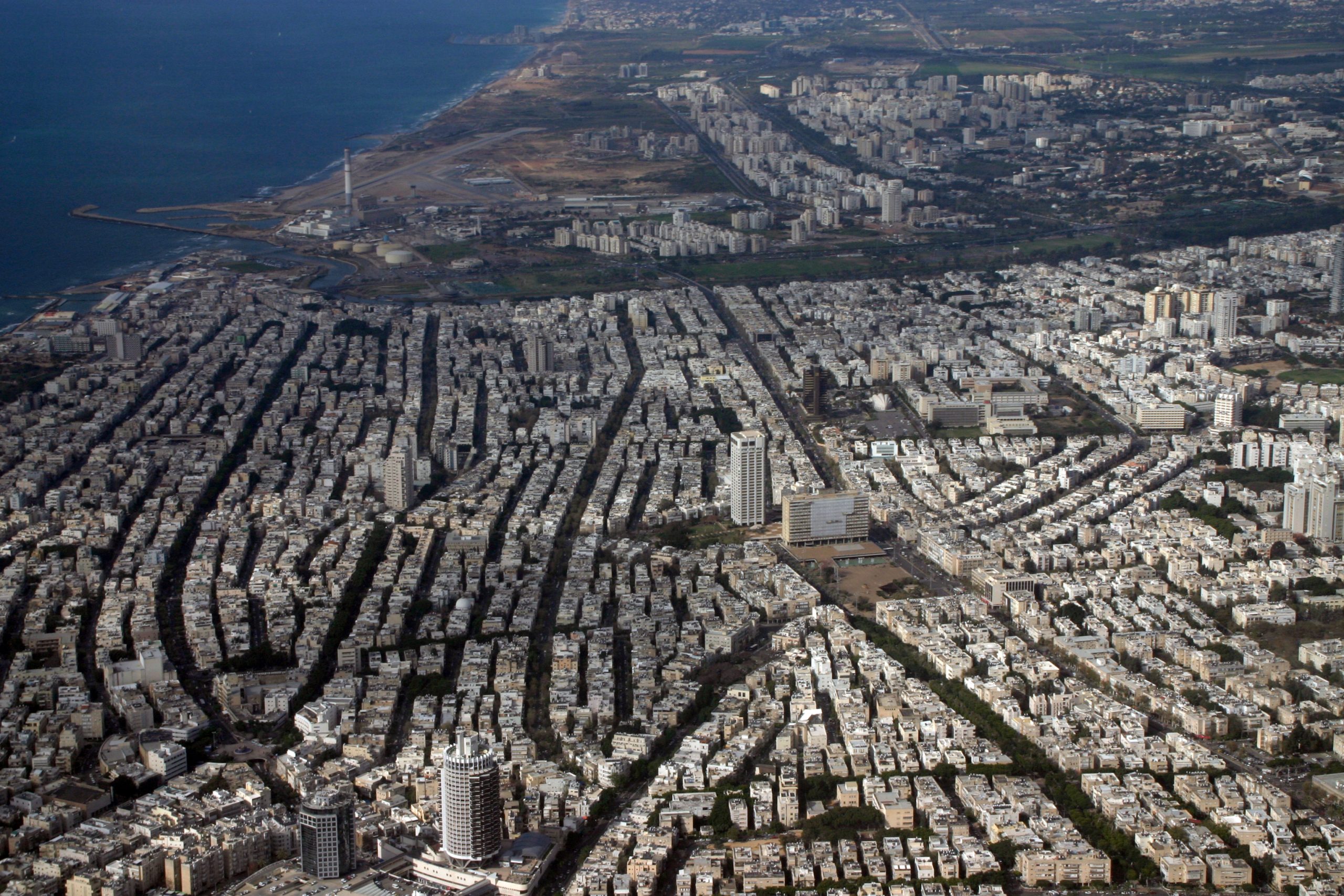
 Tel Aviv, Israel’s vibrant economic and cultural epicenter, is renowned for its Mediterranean charm, thriving tech ecosystem, and bustling urban lifestyle. Often dubbed the “city that never sleeps,” it attracts a diverse population, including young professionals, families, students, international investors, and digital nomads, all seeking housing opportunities in Tel Aviv. However, the city’s real estate market is one of the most competitive and expensive globally, driven by high demand, limited supply, and a rapidly growing population. This article provides an in-depth exploration of housing opportunities in Tel Aviv in 2025, covering market dynamics, key neighborhoods, buying and renting options, emerging trends, practical tips, and the broader socio-economic context shaping the city’s housing landscape. With a focus on affordability, investment potential, and lifestyle considerations, this guide aims to equip prospective residents and investors with the insights needed to navigate this dynamic market.
The State of Housing Opportunities in Tel Aviv
Tel Aviv’s real estate market is characterized by its high costs and intense competition, often ranking among the least affordable cities worldwide. According to the 2022 UBS Global Real Estate Bubble Index, a skilled worker in Tel Aviv would need over 11 years of income to purchase an 80-square-meter apartment near the city center. In 2024, the city’s population grew by 2.2% to 494,561, fueling demand for housing opportunities in Tel Aviv. Data from the Central Bureau of Statistics (CBS) shows a 1.5% price increase for homes in January-February 2025 compared to the previous two months, with a year-on-year surge of 7.5%. Newly built homes saw a 1% price hike, reflecting a construction boom tempered by bureaucratic delays and the ongoing Gaza conflict, which began on October 7, 2023.
Factors Driving the Market
Several factors contribute to the competitive nature of housing opportunities in Tel Aviv. A chronic housing shortage, exacerbated by limited land availability in this coastal city, keeps supply tight. The tech sector, with multibillion-dollar IPOs and a growing number of startups, attracts high-earning professionals and foreign investors, particularly in luxury properties. Waterfront penthouses in central Tel Aviv can fetch up to $4,000 per square foot, while even modest apartments in desirable neighborhoods command premium prices. The Alrov Housing Affordability Index notes that affordability hit near-record lows in 2024, with high interest rates and stringent down payment requirements (often 25-30% of a property’s value) making homeownership challenging for first-time buyers, especially young couples and families.
Despite these hurdles, housing opportunities in Tel Aviv are diverse, ranging from historic Bauhaus-style apartments to sleek, modern high-rises with amenities like rooftop pools and smart home systems. The market’s resilience is evident in its ability to attract both local and international buyers, with foreign investment playing a significant role in luxury segments.
Key Neighborhoods for Housing Opportunities in Tel Aviv
Tel Aviv’s neighborhoods offer a spectrum of housing opportunities in Tel Aviv, each with its own character, price point, and appeal. Below, we explore the most sought-after areas for 2025, based on market trends, resident demographics, and lifestyle offerings.
Neve Tzedek: Historic Elegance and Luxury Living
Neve Tzedek, one of Tel Aviv’s oldest neighborhoods, is a cultural gem that blends historic charm with modern luxury, making it a top destination for housing opportunities in Tel Aviv. Known for its colorful facades, narrow streets, and proximity to the beach, it attracts affluent buyers and renters. Properties like the Shabazi House, a four-floor urban townhouse, feature smart home technology, private rooftop terraces, and lush gardens, with a 145-square-meter garden apartment listed for approximately $2,050,000. The neighborhood’s proximity to cultural hubs like the Suzanne Dellal Center and trendy cafes on Shabazi Street enhances its appeal. Short-term rentals, particularly via Airbnb, thrive here, offering investors high returns due to tourist demand.
Kerem HaTeimanim: Vibrant and Budget-Friendly
Kerem HaTeimanim, nestled near the bustling Carmel Market, is a trendy, relatively affordable option for housing opportunities in Tel Aviv. Its maze-like streets and low-rise buildings exude character, attracting young professionals, artists, and tourists. The rise of short-term rentals has increased property values, with a three-room (two-bedroom) apartment renting for around NIS 9,500 ($2,515) monthly. Investors are drawn to the area’s potential for Airbnb listings, while long-term renters appreciate its proximity to the beach and vibrant nightlife. The neighborhood’s eclectic vibe and affordability make it a hotspot for those seeking housing opportunities in Tel Aviv without the premium price tag of central areas.
Ramat Aviv: A Hub for Students and Families
Ramat Aviv, located near Tel Aviv University, is a family-friendly and student-centric neighborhood offering diverse housing opportunities in Tel Aviv. Its green spaces, excellent schools, and robust public transportation make it ideal for families and academics. The demand for student housing is surging, with rents projected to rise by 10% for the 2024-2025 academic year, as 84.5% of university dorms were leased by June 2024. Off-campus options, such as a 135-square-meter, four-room apartment at 20 Moshe Perlman Street, rent for NIS 11,700 ($3,106) monthly. Ramat Aviv’s quieter, suburban feel, combined with easy access to the city center, makes it a balanced choice for those seeking housing opportunities in Tel Aviv.
Florentin: Artsy and Gentrifying
Florentin, in southern Tel Aviv, is the city’s bohemian hub, known for its street art, eclectic vibe, and proximity to the Levinsky spice market. It’s a prime location for housing opportunities in Tel Aviv for students, young singles, and couples. The neighborhood is undergoing rapid gentrification, with new high-rises replacing older buildings. Co-living spaces, featuring shared kitchens, fitness centers, and coworking areas, are gaining popularity among digital nomads and young professionals. A three-room apartment in Florentin might rent for NIS 10,200 ($2,836) monthly, offering affordability compared to central neighborhoods. Its proximity to cultural hotspots and ongoing development make it a promising area for investors.
Hatzafon Hayashan (Old North): Upscale and Family-Oriented
The Old North, bordered by Yarkon Park and the sea, is an upscale neighborhood offering premium housing opportunities in Tel Aviv. Known for its tree-lined streets, excellent schools, and proximity to the old Tel Aviv port, it’s ideal for families and established professionals. A three-room apartment at 112 Jabotinsky Street rents for NIS 9,500 ($2,515) monthly, though parking can be a challenge due to high density. The area’s access to public transportation and recreational spaces like Yarkon Park enhances its appeal for those seeking housing opportunities in Tel Aviv with a quieter, suburban feel.
Bavli: An Emerging Investment Gem
Bavli, a lesser-known neighborhood, is gaining traction for its green spaces and modern developments, presenting unique housing opportunities in Tel Aviv. Real estate experts highlight its investment potential due to its strategic location and ongoing transformation into a modern residential hub. Properties here are increasingly sought after by local and foreign investors, with prices reflecting the area’s rising desirability. Bavli’s blend of accessibility and growth potential makes it a neighborhood to watch for housing opportunities in Tel Aviv.
Jaffa: Cultural and Coastal Appeal
Jaffa, with its ancient port and rich cultural history, offers a unique blend of housing opportunities in Tel Aviv. Its diverse population, vibrant flea market, and proximity to the beach attract artists, families, and investors. Properties range from renovated historic homes to modern apartments, with a 100-square-meter apartment in Ajami renting for around NIS 10,000 ($2,650) monthly. Jaffa’s gentrification has increased property values, but it remains more affordable than central Tel Aviv, making it a compelling option for those seeking housing opportunities in Tel Aviv with cultural depth.
Lev Tel Aviv: Central and Cosmopolitan
Lev Tel Aviv, the city’s central district, is the heart of the action, offering premium housing opportunities in Tel Aviv. Home to iconic streets “‘like Rothschild Boulevard, it’s ideal for professionals and investors seeking proximity to business hubs and nightlife. A 30-square-meter, two-room apartment on Montifiore Street rents for NIS 8,000 ($2,123) monthly, though smaller units may lack amenities like elevators. The area’s high demand and limited parking make it a competitive market, but its central location ensures strong investment returns.
Buying vs. Renting: Navigating Housing Opportunities in Tel Aviv
Purchasing a Home
Buying a home in Tel Aviv is a significant financial commitment, with average apartment prices exceeding NIS 4,000,000 ($1,234,777). Recent sales data from the Israel Tax Authority highlights the market’s range:
-
An 81-square-meter, four-room apartment at 13 Beit El Street sold for NIS 3,670,000 ($962,496) on April 1, 2025.
-
A 101-square-meter apartment at 1 HaSolelim Street, with a safe room, sold for NIS 5,238,000 ($1,475,825) in February 2025.
-
A 76-square-meter, three-room apartment at 1 Yordei HaSira Street fetched NIS 4,400,000 ($1,234,777) on January 15, 2025.
Urban regeneration programs like TAMA 38 and Pinui Binui are pivotal, delivering over 50% of new homes in Tel Aviv by densifying existing housing stock. These programs allow homeowners to exchange older properties for upgraded or larger apartments, creating unique housing opportunities in Tel Aviv for residents and developers. However, high interest rates (around 5-6% in 2025) and strict mortgage regulations (capped at 75% of a home’s value and 33% of net household salary) pose barriers for first-time buyers. Foreign investors, particularly in luxury segments like the David Promenade Residences, face fewer restrictions, driving prices higher in premium areas.
Renting in Tel Aviv
Renting remains a popular choice due to the high cost of homeownership. The rental market is dynamic, with prices varying by neighborhood and amenities. Examples include:
-
A 90-square-meter garden apartment at 5 Isakov Nissim Street in Dekel rents for NIS 10,200 ($2,836) monthly.
-
A 30-square-meter, two-room apartment on Montifiore Street in Lev Tel Aviv rents for NIS 8,000 ($2,123) monthly.
-
A 145-square-meter, four-room apartment in Neve Tzedek might command NIS 15,000 ($3,975) monthly for its luxury features.
Short-term rentals, facilitated by platforms like TLV2GO and Airbnb, cater to tourists and business travelers, with furnished apartments in central areas like Mr. Rothschild offering competitive weekly or monthly rates. The rise of short-term rentals has increased rental yields in neighborhoods like Kerem HaTeimanim but has also driven up long-term rental prices, impacting affordability for locals seeking housing opportunities in Tel Aviv.
Emerging Trends Shaping Housing Opportunities in Tel Aviv
Urban Regeneration and TAMA 38
The TAMA 38 and Pinui Binui programs are transforming housing opportunities in Tel Aviv. TAMA 38, originally designed for earthquake resilience, has led to significant densification, particularly in high-demand areas. These programs account for over 50% of new construction, offering homeowners upgraded apartments or additional space in exchange for denser zoning. The proposed Shaked alternative aims to streamline these processes, addressing local opposition and legal challenges. These initiatives create affordable housing opportunities in Tel Aviv by modernizing older buildings and increasing supply.
Demand for Safe Rooms
Since the Gaza conflict began in October 2023, demand for apartments with safe rooms (mamads) has surged, influencing housing opportunities in Tel Aviv. Newer properties, like the HaSolelim Street apartment sold for NIS 5,238,000, often include these features, reflecting a shift in buyer priorities toward security. Developers are increasingly incorporating safe rooms into new projects, particularly in luxury high-rises.
Tech Boom and Luxury Market
Tel Aviv’s tech ecosystem, dubbed the “Startup Nation,” continues to drive demand for luxury housing opportunities in Tel Aviv. High-end towers like the David Promenade Residences offer amenities such as pools, wine cellars, and 24/7 concierge services, attracting tech executives and foreign investors. Non-waterfront luxury properties average $2,500 per square foot, while waterfront penthouses command higher premiums. The tech boom has also increased demand for short-term corporate rentals, boosting the rental market.
Co-Living and Shared Spaces
Co-living spaces are gaining traction in neighborhoods like Florentin and Shapira, offering affordable housing opportunities in Tel Aviv for young professionals and digital nomads. These spaces feature shared kitchens, coworking areas, and amenities like gyms, with private rooms renting for as low as NIS 4,000 ($1,060) monthly. The rise of remote work has fueled demand for such flexible living arrangements, making co-living a key trend in 2025.
Sustainable and Smart Homes
Sustainability is becoming a priority in housing opportunities in Tel Aviv, with new developments incorporating energy-efficient designs and smart home technology. Buildings like the Soutine 15 penthouse feature solar panels, water recycling systems, and IoT-enabled systems for lighting and climate control. These eco-friendly features appeal to environmentally conscious buyers and renters, aligning with global trends toward sustainable urban living.
Student Housing Demand
With Tel Aviv University and other institutions attracting international students, student housing is a growing segment of housing opportunities in Tel Aviv. University dorms like Broshim and Einstein are in high demand, with off-campus rentals in Ramat Aviv and Florentin also popular. The projected 10% rent increase for 2024-2025 reflects the competitive nature of this market, particularly for furnished apartments near academic hubs.
Socio-Economic Context and Challenges
The primary challenge for housing opportunities in Tel Aviv is affordability. The housing shortage, coupled with population growth and foreign investment, keeps prices elevated. Bureaucratic delays in approving new construction projects and stricter safety regulations slow the pace of development, exacerbating the supply-demand imbalance. For young couples and families, saving for a down payment is increasingly difficult, with rents consuming up to 40% of household income for lower-income groups.
The fast-moving market requires quick decision-making, particularly for rentals. Postdocs, students, and newcomers often rely on short-term rentals or sublets via platforms like Yad2.co.il, Secret Tel Aviv, or Facebook Marketplace before committing to long-term leases. The competitive landscape favors those with access to real-time market data and professional guidance from firms like The Tel Avivi or TOVADO, which specialize in curated housing opportunities in Tel Aviv.
Additionally, socio-political factors, including the ongoing conflict and economic uncertainty, influence buyer and renter confidence. While Tel Aviv’s economy remains robust, with tech and tourism driving growth, external pressures can create volatility in the housing market, impacting housing opportunities in Tel Aviv.
Practical Tips for Navigating Housing Opportunities in Tel Aviv
-
Engage Real Estate Experts: Work with agencies like TOVADO, The Tel Avivi, or Sotheby’s Israel for access to exclusive listings and market insights tailored to housing opportunities in Tel Aviv.
-
Explore Emerging Neighborhoods: Areas like Bavli, Shapira, and parts of Jaffa offer better value and growth potential compared to central districts.
-
Leverage Urban Regeneration: Seek properties in TAMA 38 or Pinui Binui projects for modernized apartments at potentially lower costs, enhancing housing opportunities in Tel Aviv.
-
Act Decisively: The market moves quickly, so be prepared to make swift decisions, especially for rentals in high-demand areas.
-
Consider Suburbs: Nearby cities like Ramat Gan, Givatayim, or Holon offer more affordable housing opportunities in Tel Aviv’s metropolitan area with excellent access to the city center.
-
Utilize Online Platforms: Websites like Yad2.co.il, Madlan.co.il, and international platforms like Airbnb provide real-time listings for rentals and sales.
-
Negotiate Terms: In a competitive market, negotiating lease terms or purchase prices can yield savings, particularly for off-market housing opportunities in Tel Aviv.
-
Plan for Amenities: Prioritize properties with safe rooms, parking, or eco-friendly features to align with modern demands and enhance resale value.
-
Understand Legalities: Foreign buyers should consult experts on Israel’s real estate laws, including purchase taxes and residency requirements, to secure housing opportunities in Tel Aviv.
-
Budget for Additional Costs: Factor in property taxes (arnona), maintenance fees, and utilities when evaluating housing opportunities in Tel Aviv.
Investment Potential in Housing Opportunities in Tel Aviv
For investors, housing opportunities in Tel Aviv offer significant potential due to the city’s strong economic fundamentals and global appeal. The luxury market, driven by foreign buyers and tech wealth, continues to see robust demand, with properties in Neve Tzedek and Lev Tel Aviv offering high appreciation rates. Short-term rental yields in tourist-heavy areas like Kerem HaTeimanim and Jaffa are among the highest in the region, often exceeding 5% annually.
Emerging neighborhoods like Bavli and Shapira present opportunities for capital gains as gentrification progresses. Urban regeneration projects also offer unique investment vehicles, allowing developers to acquire older properties at lower costs and convert them into high-value assets. However, investors must navigate high purchase taxes (8-10% for non-residents) and market volatility, particularly in light of regional instability.
Lifestyle Considerations in Tel Aviv’s Housing Market
Tel Aviv’s appeal extends beyond economics, with its lifestyle playing a central role in attracting residents. The city’s beaches, vibrant nightlife, world-class dining, and cultural institutions like the Tel Aviv Museum of Art make it a desirable place to live. Housing opportunities in Tel Aviv are enhanced by the city’s walkability, extensive bike lanes, and efficient public transportation, including the expanding Red Line light rail, which connects key neighborhoods.
For families, neighborhoods like the Old North and Ramat Aviv offer access to top schools and parks, while singles and young professionals gravitate toward Florentin and Lev Tel Aviv for their energy and proximity to nightlife. Jaffa’s multicultural vibe appeals to those seeking a blend of history and modernity. These lifestyle factors make housing opportunities in Tel Aviv not just a financial decision but a lifestyle investment.
Conclusion
Housing opportunities in Tel Aviv are as diverse and dynamic as the city itself, offering options for every demographic, from students and young professionals to families and international investors. Despite challenges like high prices, limited supply, and bureaucratic hurdles, strategic buyers and renters can find value in emerging neighborhoods, urban regeneration projects, and co-living spaces. The city’s tech-driven economy, cultural richness, and Mediterranean allure continue to drive demand for housing opportunities in Tel Aviv, making it a compelling destination in 2025. By leveraging expert guidance, exploring diverse neighborhoods, and staying informed about market trends, prospective residents and investors can secure their place in this vibrant metropolis.