About Yad Binyamin
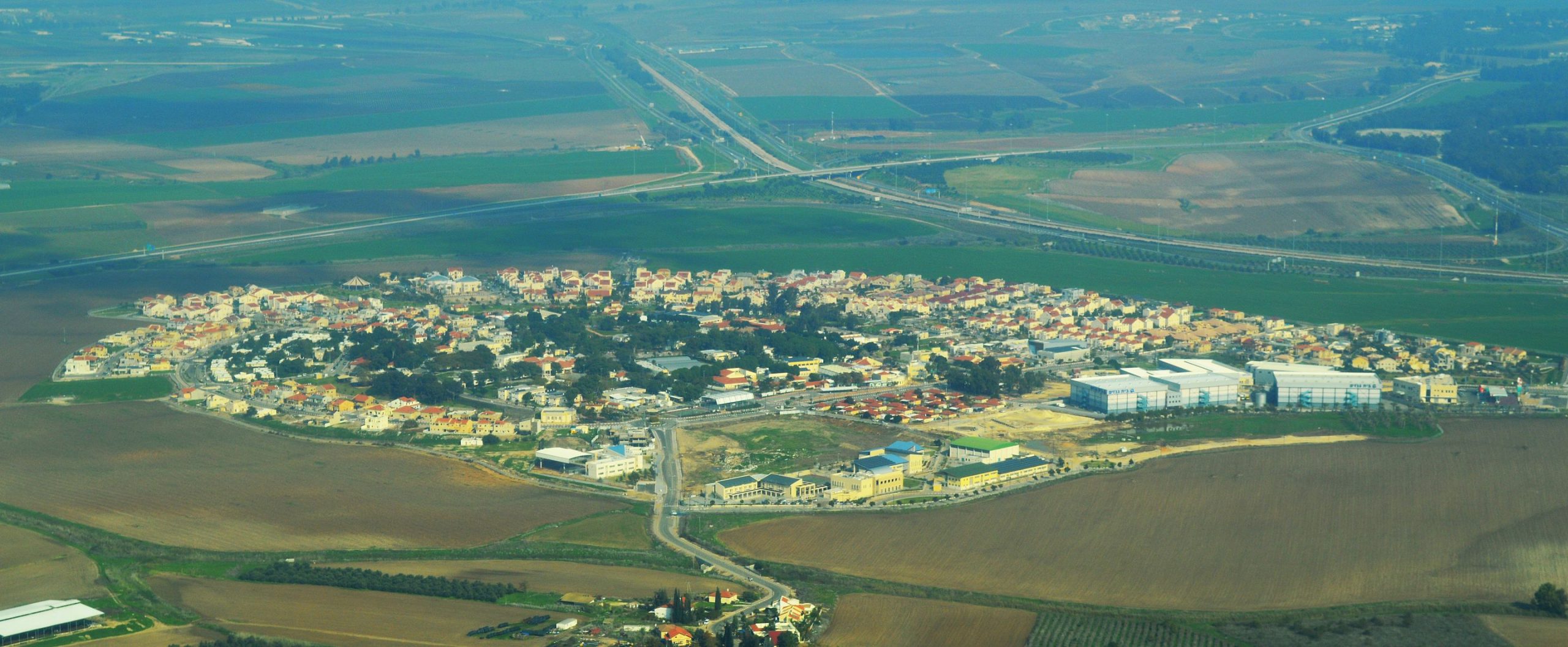
Yad Binyamin is a vibrant community settlement nestled in the heart of central Israel, functioning as the administrative hub of the Nahal Sorek Regional Council. Strategically located near the convergence of Highways 3, 6, and 7, it enjoys a prime position that facilitates seamless connectivity to various regions across the country. This advantageous location has made Yad Binyamin an appealing destination for both residents seeking a balanced lifestyle and visitors exploring the diverse landscapes of Israel. According to population statistics from 2022, the settlement was home to 4,278 individuals, a figure that reflects its steady growth and enduring appeal as a religious and educational center.
The settlement’s name, Yad Binyamin, translates to “Memorial of Binyamin,” a tribute that carries deep historical and cultural significance. Beyond its role as a residential community, Yad Binyamin embodies a blend of tradition, modernity, and resilience, shaped by its unique history and the values of its inhabitants. Its proximity to major urban centers like Jerusalem, Ashdod, and Rehovot enhances its accessibility, while its rural charm and strong communal identity distinguish it as a unique enclave within Israel’s central region.
Historical Background of Yad Binyamin
The origins of Yad Binyamin trace back to the early post-independence years of Israel, a period marked by rapid development and the absorption of new immigrants. The land where the settlement now stands was initially established as a Ma’abara, or transit camp, known as Nativa. These camps were temporary housing solutions designed to accommodate the influx of Jewish immigrants arriving in Israel during the late 1940s and 1950s. Nativa, like many Ma’abarot, provided rudimentary shelter—often in the form of tents or tin shacks—for families transitioning from diaspora life to permanent settlement in the newly established state. The conditions were challenging, with limited infrastructure and resources, yet these camps laid the groundwork for many of Israel’s modern communities.
In 1962, the site underwent a significant transformation under the auspices of Poalei Agudat Yisrael, a religious political movement rooted in the principles of Orthodox Judaism and labor Zionism. In partnership with the Nahal Sorek municipality, the organization reimagined Nativa as a permanent religious settlement and educational hub. This shift marked a turning point, elevating the area from a transient waypoint to a thriving community with a clear purpose. The decision to name the settlement Yad Binyamin honored Binyamin Mintz, a prominent figure in Israeli politics who served as the Minister of Postal Services until his death in 1961. Mintz was a key leader within Poalei Agudat Yisrael, and his legacy as a champion of religious values and public service resonated deeply with the settlement’s founders.
The transformation of Yad Binyamin was not merely physical but also ideological. The establishment of a religious community reflected broader trends in Israel during the 1960s, as the nation sought to balance its secular and religious identities. For the residents of Yad Binyamin, this meant creating a space where Torah study, communal prayer, and traditional Jewish life could flourish alongside the practical demands of modern living. Over the decades, the settlement has grown steadily, adapting to changing demographics and regional developments while preserving its foundational ethos.
The historical context of Yad Binyamin also ties into the broader narrative of Israel’s settlement movement. The Nahal Sorek region, with its fertile plains and strategic location, has long been a focal point for agricultural and communal initiatives. Yad Binyamin’s evolution from a Ma’abara to a permanent settlement mirrors the resilience and adaptability of Israel’s early pioneers, who turned temporary hardships into enduring legacies. Today, remnants of this history are subtle but present, woven into the fabric of a community that values its past as much as its future.
Educational Institutions in Yad Binyamin
Education lies at the heart of Yad Binyamin’s identity, with the settlement boasting a robust network of institutions that cater to a wide range of ages and interests. The crown jewel of this educational ecosystem is Yeshivat Torat HaChaim, founded in 1996 by Rabbi Shmuel Tal. This institution has become a cornerstone of the community, embodying its commitment to Torah study and religious scholarship. The yeshiva’s journey to Yad Binyamin is a story of displacement and renewal, reflecting the broader challenges faced by Israel’s religious communities in the early 21st century.
Originally situated in Neve Dekalim, part of the Gush Katif settlement bloc in the Gaza Strip, Yeshivat Torat HaChaim was uprooted during Israel’s unilateral disengagement from Gaza in 2005. The disengagement, a contentious political decision, forced the relocation of approximately 8,000 settlers, including the yeshiva’s students and faculty. Rabbi Tal and his community chose Yad Binyamin as their new home, drawn by its established religious infrastructure and welcoming environment. The move was not without difficulties—rebuilding a yeshiva from scratch required significant resources and emotional fortitude—but it ultimately strengthened the institution’s resolve and influence.
Since its relocation, Yeshivat Torat HaChaim has expanded into a comprehensive educational network that serves approximately 1,600 students as of the 2016–2017 academic year. The network encompasses a diverse array of programs tailored to different stages of life and learning. The Talmud Torah provides foundational religious education for young children, while the elementary girls’ school offers a nurturing environment for female students. The yeshiva ketana (junior yeshiva) and yeshiva gedola (advanced yeshiva) cater to teenage boys and young men, respectively, fostering rigorous Torah study and personal growth. For girls, the ulpana provides a parallel track, blending religious instruction with general studies. Beyond these core offerings, the yeshiva hosts specialized programs for adults, including seminars and classes that attract both men and women from within and beyond Yad Binyamin.
The educational philosophy of Yeshivat Torat HaChaim emphasizes not only academic excellence but also the integration of religious values into daily life. Rabbi Tal, a charismatic and innovative leader, has shaped the institution’s approach, encouraging students to engage deeply with Jewish texts while remaining attuned to contemporary challenges. This balance has made the yeshiva a magnet for families seeking a holistic education for their children, contributing to Yad Binyamin’s reputation as a center of learning.
Beyond the yeshiva, Yad Binyamin is home to additional schools and informal educational initiatives, many of which collaborate with the Nahal Sorek Regional Council to serve the broader region. The settlement’s focus on education extends to extracurricular activities, such as youth groups and community workshops, which reinforce its communal bonds. For residents, this educational richness is a source of pride, offering their children opportunities to grow intellectually and spiritually within a supportive framework.
Community and Lifestyle in Yad Binyamin
Yad Binyamin’s community is defined by its religious orientation, a unifying thread that shapes its daily rhythms and long-term aspirations. The settlement attracts families and individuals who prioritize a lifestyle rooted in Orthodox Judaism, where prayer, Shabbat observance, and adherence to halacha (Jewish law) are central. This shared commitment fosters a tight-knit atmosphere, where neighbors often know one another by name and communal events—such as synagogue gatherings, holiday celebrations, and lifecycle milestones—draw widespread participation.
The physical layout of Yad Binyamin reflects its community-centric ethos. Residential areas are interspersed with synagogues, mikvahs (ritual baths), and small parks, creating a pedestrian-friendly environment that encourages interaction. The settlement’s architecture is modest yet functional, with single-family homes and low-rise apartment buildings designed to accommodate growing families. Green spaces and playgrounds dot the landscape, providing areas for children to play and adults to unwind, while community centers host lectures, cultural events, and social programs.
Amenities in Yad Binyamin are tailored to the needs of its religious population. Local stores stock kosher products, and eateries adhere to strict dietary standards. The settlement’s proximity to major highways—Highway 6 (the Trans-Israel Highway), Highway 3, and Highway 7—offers residents easy access to employment hubs and urban amenities in cities like Jerusalem (approximately 40 kilometers away) and Ashdod (about 25 kilometers away). This blend of rural tranquility and urban connectivity appeals to professionals and families alike, many of whom commute daily while returning to the calm of Yad Binyamin each evening.
The lifestyle in Yad Binyamin is not without its challenges. The settlement’s religious homogeneity, while a strength, can limit diversity of thought and experience. Additionally, its location in central Israel places it within a region that has occasionally faced security concerns, a reality that residents navigate with resilience and faith. Yet, for those who choose to call Yad Binyamin home, these factors are outweighed by the sense of purpose and belonging that the community provides.
Accommodation and Tourism in Yad Binyamin
For visitors, Yad Binyamin offers a window into the rhythms of religious life in Israel through unique accommodation options. Platforms like Airbnb feature listings hosted by local families, allowing guests to stay in private homes or guesthouses within the settlement. These stays provide more than just a place to sleep—they offer an immersive experience where travelers can share meals, attend synagogue services, or simply converse with their hosts about life in Yad Binyamin. This hospitality reflects the settlement’s tradition of hachnasat orchim (welcoming guests), a value deeply ingrained in Jewish culture.
Tourism in Yad Binyamin is understated compared to Israel’s more prominent destinations, such as Jerusalem or Tel Aviv, but it holds a quiet charm for those interested in community-based travel. Visitors might explore the settlement’s educational institutions, attend a public lecture at Yeshivat Torat HaChaim, or take day trips to nearby attractions like the Sorek Valley or the coastal city of Ashdod. The settlement’s location also makes it a convenient base for exploring the Judean plains and the broader Nahal Sorek region, known for its vineyards, hiking trails, and historical sites.
Accommodations range from cozy rooms in family homes to standalone cottages, often equipped with kitchens for self-catering—a practical feature for observant guests who require kosher facilities. Prices are typically moderate, reflecting Yad Binyamin’s status as a residential community rather than a commercial tourist hub. For travelers seeking authenticity over luxury, the settlement offers a rare glimpse into the interplay of faith, family, and tradition in modern Israel.
Notable Events in Yad Binyamin
Yad Binyamin’s history is punctuated by moments of both joy and sorrow, with one of its most poignant events occurring in June 2023. The community was struck by grief following the death of Harel Masood, a 21-year-old resident killed in a terrorist attack near the West Bank settlement of Eli. Masood, a young man known for his warmth and dedication, was one of four victims in the attack, which involved a shooting at a gas station. His loss reverberated through Yad Binyamin, where he was mourned as a son, friend, and symbol of the settlement’s youth.
The tragedy underscored the security challenges that persist in Israel, particularly in areas close to contested regions. For Yad Binyamin’s residents, Masood’s death was a stark reminder of the sacrifices borne by their community and others like it. Funerals and memorial services drew hundreds, reflecting the settlement’s solidarity in times of crisis. The incident also sparked discussions about safety and coexistence, themes that resonate deeply in a nation shaped by conflict and resilience.
Conclusion
Yad Binyamin stands as a testament to the enduring spirit of its residents, who have transformed a modest transit camp into a flourishing center of religious life and learning. The settlement embodies the dynamic evolution of Israel’s communal landscape from its historical roots in the Ma’abara system to its present-day role within the Nahal Sorek Regional Council. Its emphasis on education, embodied by institutions like Yeshivat Torat HaChaim, ensures that future generations will inherit a legacy of knowledge and faith. Meanwhile, its strong community bonds and strategic location make it a vital part of central Israel.
For those considering a move to Yad Binyamin, the settlement offers a rare combination of tradition and accessibility, appealing to families and individuals seeking a meaningful, rooted existence. Its story is one of continuity and adaptation, a microcosm of Israel’s broader journey. As Yad Binyamin continues to grow, it remains a place where history, values, and everyday life converge, inviting residents and visitors alike to engage with its unique character. Read more about moving to Yad Binyamin to explore how this community might become your next home.