
About Susya
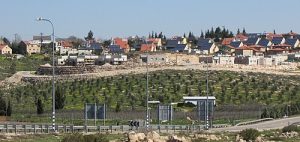 Susya is an Israeli settlement established in 1983 in the southern Hebron Hills, within the jurisdiction of the Har Hevron Regional Council. It is located near the archaeological site of ancient Susya, known for its historic synagogue and remnants of a Jewish village.
The settlement was founded on approximately 1,800 dunams of land and has since developed various facilities, including the Susya Tourism and Education Center, which offers tours and activities related to the nearby archaeological site. The center also features a hostel and a pool.
In 2008, Susya inaugurated a large, advanced goat pen and dairy, known as Halav Ha’aretz, Susya Dairy Ltd. This facility, established with an investment of 3.5 million ILS, produced goat yogurt for the Israeli market from a herd of 1,500 goats.
The settlement has also become a notable stronghold for former Afrikaner Christians who converted to Judaism and immigrated to Israel. Many of these individuals have settled in Susya, contributing to its unique community dynamics.
The Har Hevron Regional Council, under whose jurisdiction Susya falls, administers multiple Israeli settlements in the southern Judean Hills area of Mount Hebron. The council’s headquarters are located in the Meitarim industrial zone.
The region is characterized by its unique climate, influenced by its proximity to both the Negev and Judean deserts, resulting in clean, crisp air, cold winters (occasionally with snow), and moderate summers. Agriculture plays a significant role in the local economy, with activities such as olive growing and olive oil production, almond cultivation, vegetable and grain farming, and livestock herding.
Susya’s establishment and development have been accompanied by tensions and conflicts characteristic of the broader Israeli-Palestinian conflict. Incidents in the area have highlighted the complex and often contentious nature of settlement activities in the West Bank.
For visitors, the Susya Tourism and Education Center offers insights into the area’s rich history and archaeological significance, providing a window into the ancient past of the region.