Buying Real Estate in Tel Aviv: A Comprehensive Guide

Real estate in Tel Aviv
Tel Aviv, Israel’s vibrant coastal metropolis, has long been a focal point for real estate investors, both domestic and international. Its unique blend of cultural richness, economic vitality, and Mediterranean allure makes it a sought-after destination for property acquisition. As of early 2025, the city’s real estate landscape presents a mix of opportunities and challenges shaped by recent economic trends, demographic shifts, and geopolitical events.
Market Overview Real Estate in Tel Aviv
In recent years, Real estate in Tel Aviv has experienced a significant surge in property prices. By early 2024, the average home price in the city reached approximately ILS 4,141,600, reflecting a growth rate that has outpaced wage increases. This rapid appreciation has raised concerns about housing affordability for many residents.
The city’s rental market mirrors this trend. For instance, in May 2024, a three-room (two-bedroom) apartment spanning 105 square meters in the Kokhav HaTzafon neighborhood was listed at NIS 12,900 ($3,500) per month. Such figures underscore the premium associated with living in Tel Aviv’s desirable locales.
Factors Influencing the Market
Several key factors contribute to Tel Aviv’s dynamic real estate environment:
- High Demand and Limited Supply: The city’s appeal to both locals and internationals has led to a demand that consistently outstrips supply. Young professionals and families are particularly drawn to Tel Aviv’s vibrant atmosphere and employment opportunities, intensifying competition in the housing market.
- International Investment: Tel Aviv’s stable and lucrative real estate market continues to attract foreign investors. This influx of international capital has been instrumental in driving up property prices and spurring the development of new residential projects tailored to global tastes.
- Geopolitical Events: The October 2024 Hamas attack marked a significant turning point for Israel. Prior to this event, the nation enjoyed a period of economic prosperity and cultural prominence. However, the subsequent escalation in regional tensions has introduced uncertainties that could impact investor confidence and market stability.
Neighborhood Spotlights
Tel Aviv’s diverse neighborhoods offer a range of real estate opportunities:
- Neve Tzedek: Known for its historic charm and boutique establishments, Neve Tzedek remains a coveted area for luxury housing developments. Its blend of preserved architecture and modern amenities appeals to both locals and expatriates.
- Florentin: Once an industrial zone, Florentin has transformed into a trendy district popular among young professionals and artists. The area offers a mix of renovated lofts and new constructions, reflecting its gentrification over the past decade.
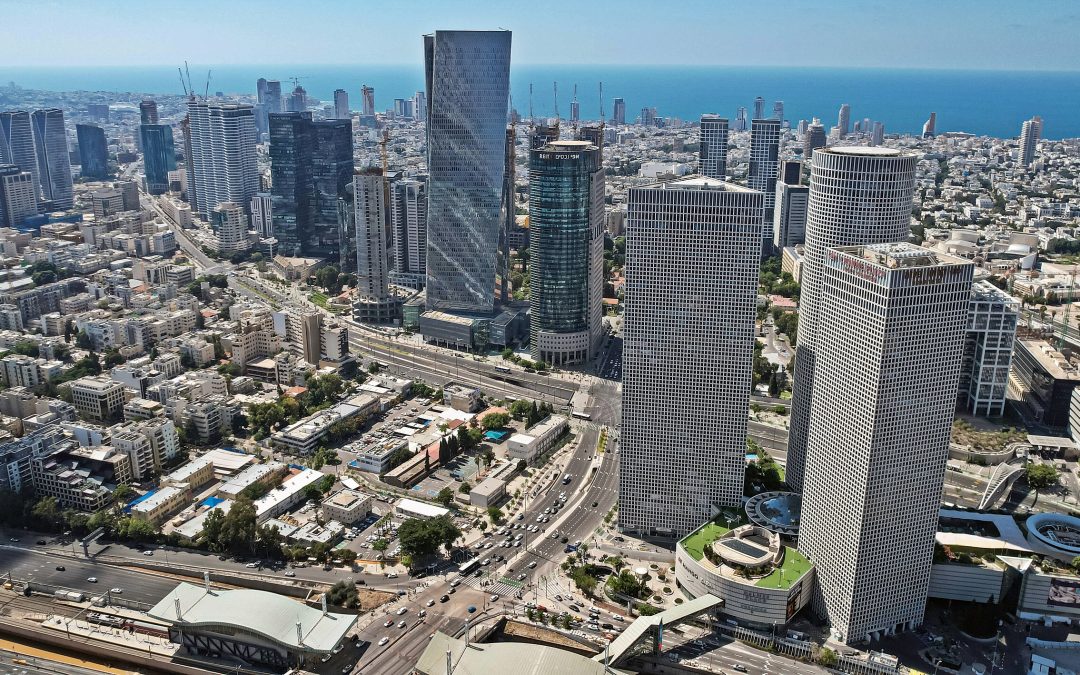
- Tzamarot Ayalon: Developed extensively by Israel Canada, this neighborhood boasts some of the city’s tallest residential buildings, including the W Tower. It’s recognized as one of Israel’s wealthiest areas, attracting high-net-worth individuals seeking luxury accommodations.
Future Outlook Real Estate in Tel Aviv
Looking ahead, several forecasts and trends are shaping Tel Aviv’s real estate market:
- Sustainability and Smart Homes: There’s a growing demand for tech-integrated, energy-efficient residences. Developers are increasingly focusing on sustainable building practices and smart home technologies to meet the expectations of modern buyers.
- Co-Living Spaces: The concept of co-living is gaining traction, especially among younger demographics seeking affordable and community-oriented housing solutions. This trend reflects a broader global movement towards shared living environments.
- Suburban Expansion: With urban property prices soaring, there’s a noticeable shift towards suburban areas where larger homes are more affordable. This movement is facilitated by improved transportation links and the increasing acceptance of remote work arrangements.
Challenges Ahead
Despite its many attractions, Tel Aviv’s real estate market faces several challenges:
- Affordability: The rapid increase in property prices has made homeownership unattainable for many residents, leading to calls for government intervention and affordable housing initiatives.
- Geopolitical Risks: Ongoing regional tensions pose potential risks to market stability. Investors must remain cognizant of the geopolitical landscape and its possible implications for property values.
- Regulatory Environment: Navigating Israel’s complex property laws and regulations can be challenging, particularly for foreign investors. It’s essential to engage knowledgeable legal counsel to ensure compliance and protect investments.
Conclusion
Tel Aviv’s real estate market in 2025 is characterized by a dynamic interplay of high demand, limited supply, and evolving buyer preferences. While opportunities abound, especially in emerging neighborhoods and innovative housing solutions, potential investors must carefully consider the associated challenges. Staying informed about market trends, regulatory changes, and geopolitical developments will be crucial for making sound investment decisions in this ever-evolving landscape
Read here about the real estate market in Jerusalem.