
Comprehensive Guide of best communities in Galilee— Geography, Context and Religious-Jewish Communities
best communities in Galil
This article provides a detailed overview of the region known as the Galil (Galilee) — its geography, demography, infrastructure, advantages and drawbacks — and then surveys the leading religious Jewish communities there. The goal is to help you realistically assess which parts of the Galilee might suit your family’s values, lifestyle and practical needs.
Throughout, the phrase “best communities in Galilee” refers to religious-Jewish communities combining a serious Torah lifestyle, reasonable living conditions, and a manageable balance between rural/semi-rural life and access to jobs and services.
1. Understanding the Galilee: Geography, History, Demography
1.1 What is “the Galilee”?
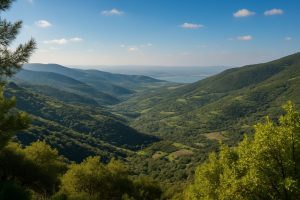
The Galilee refers broadly to the northern region of Israel, encompassing a range of landscapes — from the low-lying shores of the Kinneret (Sea of Galilee), to rolling hills, to steep mountains and forests in the Upper Galilee, near the Lebanese border. The region is typically divided into:
-
Lower Galilee — gentler hills, valleys, farmland, many mixed towns and yishuvim; extends from around the south-western rim of the Kinneret westwards towards Haifa / Krayot.
-
Upper Galilee — more mountainous, elevated terrain, forested hills and plateaux, closer to international borders; often more remote and sparsely populated.
-
Western Galilee — narrower coastal-adjacent part with some cities and towns, but less relevant for strictly religious yishuvim (and thus less prominent in this survey).
-
Kinneret region / Eastern Galilee — the shores and environs of the Sea of Galilee, including Tiberias and surrounding small towns / moshavim.
The climate varies with altitude: Lower Galilee has Mediterranean-type weather (mild, wet winters; hot, dry summers), while Upper Galilee tends to be cooler, with more rainfall — and even occasional snow on the highest ridges in winter.
Because of its variation in elevation and terrain, the Galilee offers a range of lifestyles: from agricultural-style moshav living, to mountain-ridge seclusion, to small-town semi-urban life.
1.2 Historical and Strategic Importance
-
The Galilee has deep historical roots in Jewish history — many ancient towns, synagogues and continuous Jewish presence over millennia.
-
In modern Israel, the Galileehas often been seen as a “periphery” — less developed than the central coastal plain, but with strategic value: securing borders, dispersing population density, and tapping land for settlement expansion.
-
In recent decades, there has been renewed interest from religious Zionist and baal-teshuvah populations in building communities here: motivated by ideology, lower housing costs (relative to central Israel), agricultural or rural aspirations, or the desire for a quieter, family-oriented lifestyle.
Governments and various organisations have periodically supported incentives — housing subsidies, infrastructure grants, support for development — to encourage settlement and demographic strengthening of the north.
1.3 Demography, Infrastructure and Economy
Population & diversity
-
The Galilee includes a mix of Jews, Arabs, Druze, Bedouin and others. Among Jews, populations vary — secular, traditional, national-religious, Ultra-Orthodox, chassidic.
-
Many yishuvim are small (hundreds to a few thousand families), which allows cohesive community life but also means that services can be limited.
Economy and employment
-
Agriculture (fruit orchards, vineyards, dairy farming), light industry, tourism (especially near the Kinneret, historic sites, hiking trails), guest houses, and religious tourism (yeshivot, seminaries, retreats) remain important.
-
Some residents commute to regional employment centres (Haifa, the Krayot, Tiberias, Afula), but commute times can be long depending on distance and road quality.
-
Remote work, small businesses, arts/ crafts, hospitality and service jobs supplement traditional livelihoods.
Infrastructure and services
-
Infrastructure (roads, public transit, medical centres, shopping, schools) tends to be better in Lower Galilee and around larger towns; small remote yishuvim in Upper Galilee often rely on distant services.
-
Schooling: many yishuvim maintain ganim / cheder / Talmud Torah up to primary levels; for high school or specialised education, families often rely on regional towns — this implies school-bus commuting or car travel.
-
Transport: public transport is uneven. Roads are often narrow and winding; in some places, buses are infrequent, making car ownership nearly mandatory.
2. Pros and Cons of Living in the Galilee
Before diving into specific communities, it helps to weigh the general advantages and disadvantages of life in the Galilee.
2.1 Strengths
-
Quality of life, open space, nature — hills, valleys, fields, forests; open air, cleaner environment than many urban centres; easier childhood childhood, outdoor play.
-
Housing affordability (relative) — compared with central Israel (Tel Aviv area, Jerusalem), many Galilee communities still offer lower-cost housing or the possibility to obtain land or detached houses with gardens.
-
Community-oriented, religious options — especially in yishuvim designed around religious Zionist or chareidi values; cohesive social networks, communal Torah learning, Shabbat-friendly environments.
-
Potential for growth / pioneer ethos — for families drawn to building something: a new community, new neighbourhood, rural life, agriculture or small-town religious continuity.
-
Escape from urban pressures — less traffic, noise, congestion; a slower, calmer pace for raising children, for Torah, for family life.
2.2 Challenges and Trade-offs
-
Limited employment and economic opportunities — especially in remote areas; commuting can be long and tiring. Jobs often in agriculture, hospitality, or seasonal tourism — lower salary potential, less stability.
-
Infrastructure gaps — fewer medical facilities, fewer entertainment and cultural options; less access to advanced schooling, specialised services, public transport.
-
Social isolation and small community dynamics — for people who crave privacy or diversity, small yishuvs can feel limiting or intrusive; social conformity can be high.
-
Uncertainty in expansion and development — some newly established or planned communities may struggle with infrastructure, funding, delays, or lack of critical mass.
-
Border/security concerns (in some northern Galilee areas) — the northernmost communities are closer to border zones. Security incidents or political tension can impact everyday life, which is a persistent risk some must weigh.
-
Education and youth retention — once children grow up, lack of higher-education institutions or job prospects may push them to relocate, weakening community continuity.
3. Lower Galilee — Established Religious Communities
Here are some of the most solid candidates for the best communities in Galilee among religious Jewish families in the Lower Galilee.
Hoshaya
A modern-Orthodox religious community settlement — attractive to families seeking a balanced mix of religious life, community and accessibility.
Highlights
-
Strong Torah/RZ infrastructure: multiple shuls, active youth programming, family-oriented atmosphere.
-
Significant English-speaking/Anglo population: easier integration for olim or English-background families.
-
Detached houses with gardens, hills and greenery — quality-of-life bonuses for children and families.
-
Relatively manageable commute towards Haifa, Krayot or the coastal plain.
Considerations
-
Demand pushes up housing prices and waiting lists; affordability is eroding.
-
Social environment can be tight-knit; anonymity harder if you value privacy.
Best for: Religious-Zionist, Anglo or mixed-language families who prioritise community and child-friendly environment.
Mitzpe Netofa
A hilltop Torani religious settlement with a strong sense of communal identity, a high proportion of young families, and a serious religious lifestyle.
Highlights
-
Shabbat observance is the norm — car-free on Shabbat, community integrity around halachic norms.
-
Young, growing demographic; active youth groups and Torah education.
-
Significant presence of olim/Anglos moving in — giving a bridge for English-speakers to adapt.
Considerations
-
Topography: hilly terrain, steep roads — not ideal for all, especially older or mobility-limited people.
-
Social expectations can be high; cultural conformity may leave little room for “grey-zone” behaviour.
Best for: Torani families strongly committed to halachic lifestyle, comfortable with small-community intimacy and dedicated to religious continuity.
Beit Rimon
A religious community combining kibbutz heritage with a neighbourhood of private homes — offering communal identity plus some autonomy.
Highlights
-
Kibbutz-based infrastructure (agriculture, communal services) blending with privately owned housing.
-
Religious lifestyle maintained by the community; Shabbat, kashrut, shul and beit-midrash act as social anchors.
-
Access to regional job markets, agriculture and possible light industry jobs; proximity to main roads.
Considerations
-
Limited housing stock: demand often outstrips availability.
-
Some may find kibbutz-style collective governance or communal financial decisions restrictive.
-
Social life is tight; less anonymity than in large towns.
Best for: Families drawn to communal life, shared values and communal responsibility — willing to “buy into” the kibbutz ethos.
Sde Ilan
A religious moshav west of Tiberias — ideal for families seeking a rural lifestyle, open space and a simpler pace.
Highlights
-
Detached houses with land / agricultural plots; children grow up with fields, open spaces, animals, nature.
-
Strong religious identity; daily minyanim, active youth movements.
-
Relative affordability compared to high-demand hilltop yishuvim.
Considerations
-
Limited on-site services: schooling beyond primary levels, health, leisure — often require travel.
-
Rural life brings its own drawbacks: agricultural smells/noise; reliance on cars; fewer entertainment or social outlets.
-
Employment largely external, sometimes seasonal; economic stability less secure.
Best for: Families comfortable with rural, low-key lifestyle and self-reliance, valuing privacy, land, and nature over urban convenience.
Kibbutz Lavi
Religious kibbutz founded by British Bnei Akiva, combining communal infrastructure, on-site employment and a strong Torah-observant framework.
Highlights
-
On-site jobs: hotel (kosher, mehadrin), furniture factory, agriculture — reducing commute stress.
-
Full observance: Shabbat, kashrut, Torah lifestyle at community level; strong group identity.
-
Historical identity blending British Zionist roots with Israeli kibbutz tradition; a degree of diversity among families.
Considerations
-
Entry into the kibbutz requires acceptance, sometimes selective; you don’t just “buy a house.”
-
Communal decision-making and financial pooling might not fit everyone’s preferences.
-
Hashkafic orientation tends to lean Dati-Leumi; chareidi families may not feel cultural fit.
Best for: Families who value structured community life, on-site employment, and shared religious commitment — especially those comfortable with (or preferential to) kibbutz frameworks.
Yavne’el (with Breslov community core)
A mixed town with a substantial Breslov chassidic population, offering a chassidish-oriented religious option in the Galil.
Highlights
-
The “Breslov City” core provides shuls, chinuch, communal life and a chassidish atmosphere — rare in the Galil.
-
Proximity to Tiberias and the Kinneret means access to services, markets, employment, urban infrastructure.
-
More housing availability compared to oversubscribed draw-yishuvim; potential for growth and absorption.
Considerations
-
Town remains mixed — secular and traditional Jews alongside religious/Breslov communities; actual day-to-day religious ambience depends heavily on street or neighbourhood.
-
Norms are very chassidish; non-Breslov or different hashkafic families may struggle with integration or communal expectations.
-
Infrastructure and institutions under strain: rapid growth among chareidi families pushes schooling, housing and communal services to their limits.
Best for: Breslov or chassidish families seeking northern Israel residence with religious community and access to basic services.
4. Upper Galilee: Religious Communities for Those Seeking Nature, Seclusion, and Pioneering Spirit
If you value rural quiet, mountainous terrain, nature and a more isolated religious life — and are willing to trade convenience for serenity — some Upper Galilee communities qualify as among the best communities in Galilee under those criteria.
Or HaGanuz
A religious-Jewish community settlement established by baalei teshuvah and national-religious pioneers — spiritually oriented and relatively self-contained.
Highlights
-
Strong ideological/religious foundation; community built around Torah values and Zionist religious revival.
-
Quiet, rural setting with plenty of land; opportunity for small-scale agriculture, guest-houses, secluded family life.
-
Social cohesion among residents; shared values among many families, often with similar backgrounds (baalei teshuvah, national-religious).
Considerations
-
Remote location — daily commuting to major employment / education centres (Haifa, Karmiel, Tzfat) difficult and time-consuming.
-
Services limited: medical, shopping, advanced schooling often require long travel.
-
Small population: social and cultural exposure more limited; children may lack peers in same age bracket.
Best for: Ideologically committed religious Zionist families or baalei teshuvah seeking a spiritual, rural, community-oriented life away from urban bustle.
Alma (Upper Galilee Moshav)
A religious moshav high in the hills north of Safed, close to the Lebanese border — remote, rural, and rugged.
Highlights
-
Connection to land, mountains and ancient Jewish heritage; ideal for families valuing seclusion, simplicity and nature.
-
Lower population density; quiet atmosphere; limited external distractions.
-
Detached housing and farmland — possibility for agricultural projects, self-sufficiency, modest living.
Considerations
-
Very limited services on-site; schooling, medical, and shopping likely require travel.
-
Border proximity comes with occasional security/tension risks.
-
Harsh winters (cool, rainy) and rugged terrain may not suit all lifestyles or bodies.
Best for: Families embracing simplicity, rural-living, and prepared for self-reliance; those with flexible work arrangements or commitment to moshav life.
Birya
A revived historic village near Safed — attractive for its Jewish heritage, rural identity and small-scale community atmosphere.
Highlights
-
Historical connection to Jewish settlement; gives a sense of continuity.
-
Rural environment close to Safed’s spiritual and cultural ambience; easier access to a larger town compared to remote moshavim.
-
Small-community intimacy: easier to know neighbours, feel investment in community well-being, easier to shape communal norms.
Considerations
-
Employment opportunities locally are limited; commuting or remote work may be essential.
-
Services (medical, education beyond primary) are limited; reliance on surrounding towns.
-
Small population can mean limited social diversity; if your family situation or hashkafah is different from the majority, integration may be difficult.
Best for: Families valuing heritage, closeness to nature, and rural calm — particularly those comfortable with simplicity and smaller communal scale.
5. How to Choose: Decision Criteria for Families Considering the Galilee
When you evaluate which (if any) of these communities should be on your shortlist, treat the decision like a long-term investment — in housing, relationships, chinuch, and family stability.
Ask yourself:
5.1 What is your hashkafah and communal identity?
-
Torani / Modern-Orthodox / Religious-Zionist → consider Mitzpe Netofa, Hoshaya, Beit Rimon, Kibbutz Lavi, possibly Or HaGanuz.
-
Chareidi / Chassidish (Breslov) → Yavne’el is the main realistic option.
-
Baalei Teshuvah / spiritual-Zionist / eager to pioneer → Or HaGanuz, Alma, Birya, possibly new initiatives.
-
Rural-minded families, agriculture-oriented or valuing land → Sde Ilan, Alma, Birya, some parts of Kibbutz Lavi or Beit Rimon.
5.2 What stage is your family at (kids’ ages, employment, remote-work capabilities)?
-
With younger children — proximity to schools and reasonably short commutes may dominate. Lower Galilee communities often preferable.
-
If older children — need for secondary schooling, yeshiva or seminary; check transport and boarding options.
-
If working remotely — more flexibility: Upper Galilee may suit, provided internet access, self-sufficiency, and willingness to handle relative isolation.
5.3 Can you tolerate trade-offs for lifestyle gains?
-
Are you okay with limited medical services, long trips for anything beyond basics, rough terrain or winter weather?
-
Is your family willing to integrate into small-community social norms, possibly tight-knit communal oversight?
-
Do you value anonymity or community intimacy?
5.4 What is your tolerance for risk and uncertainty?
-
New or small communities may offer lower prices or idealistic appeal — but risk infrastructure delays, lack of services, slower growth.
-
Rural-agricultural communities may face economic uncertainty: seasonal employment, fewer opportunities for stable income.
-
Border-adjacent northern communities may bear security risks.
6. Summary Table: Community Types, Strengths, Trade-offs
| Community Type / Region | Strengths | Main Trade-offs | Best For… |
|---|---|---|---|
| Hilltop yishuvim, Lower Galilee (e.g. Mitzpe Netofa, Hoshaya) | Strong Torah-observant communities, youth programmes, gardens/space, reasonable commute, Anglo-friendly | Rising housing costs, limited anonymity, modest public services | Torani families seeking stability close to jobs + religious infrastructure |
| Religious Kibbutzim / Kibbutz-style (Beit Rimon, Kibbutz Lavi) | On-site employment, communal religious life, structured framework, fixed community norms | Collective living rules, limited housing stock, possible social constraints | Families valuing communal responsibility, group identity, stable income |
| Rural Moshav / Settlement (Sde Ilan, Alma, Birya) | Land, fields, rural childhood, seclusion, simpler lifestyle | Limited services, fewer job opportunities, possible isolation, infrastructure gaps | Families preferring self-reliance, rural environment, quiet lifestyle |
| Chassidish / Breslov town (Yavne’el) | Chassidish religious identity, affordable housing, proximity to town services | Mixed population, communal norms, pressure on infrastructure, social homogeneity pressures | Breslov / chassidish families desiring northern settlement with community identity |
| Remote Upper-Galilee settlements (Or HaGanuz, Alma, Birya) | Nature, peace, pioneering community, low density, spiritual appeal | Isolation, limited infrastructure, long commutes, economic uncertainty, possible security issues | Ideologically motivated families, remote-work capable, wanting rural seclusion |
7. Final Thoughts: Is the Galilee Right for You?
The Galilee is not a “one-size-fits-all” solution. It offers a mosaic of possibilities — from structured religious-Zionist hilltop communities to remote mountain settlements, from kibbutz-life to chassidish towns, from religious-Zionist to baal-teshuvah-oriented communities.
If your values, hashkafah, livelihood and tolerance for trade-offs align with one of the community types above, the Galil can be a wonderful place to raise children in a Torah milieu, close to land and nature, relatively affordable (for now), and with a strong sense of kehillah.
If not — or if job stability, access to urban services and anonymity matter more — you may find the compromises too heavy.
My recommendation: pick 2–3 candidate communities based on hashkafah and lifestyle preferences, then visit them in person. Check commute times, meet local families, explore schooling options, verify the social atmosphere. The “best communities in Galil” are those where your family can thrive — not just survive.
If you like — I can add a map overlay showing approximate distances from each community to major job centres (Haifa, Tel Aviv, Tiberias, Safed) — that helps to visualise commute vs. lifestyle trade-offs.