Pesach in Israel: An Orthodox Jewish Perspective on the Festival of Freedom
Pesach in Israel
Pesach in Israel holds a unique and profound significance for the Orthodox Jewish community. Pesach is a significant Jewish holiday that celebrates the liberation of the Israelites from slavery in ancient Egypt, a key event in Jewish identity and faith. For Orthodox Jews in Israel, this eight-day festival of Passover involves rituals, laws, communal practices, and deeper meanings, showcasing its profound significance in the Holy Land.
What Is Pesach? A Brief Overview
Passover, a Jewish holiday, begins on the 15th of Nisan, the first month of the Jewish calendar, typically falling in March or April. The name “Pesach” comes from a Hebrew word that means “to pass over,” referring to when God protected the Israelite homes during the tenth plague in Egypt, when the firstborn were killed. The event described in the Book of Exodus (Chapters 1-15) marks the end of the Ten Plagues and the Israelites’ liberation from Pharaoh’s oppression.
For Orthodox Jews, Pesach in Israel is a time to commemorate their redemption by following biblical and rabbinic laws. In Israel, the holiday lasts seven days. The first and last days are full festivals with no work allowed, while the middle days, called Chol HaMoed, mix celebration with regular activities.
The Orthodox Jewish View of Pesach in Israel
From an Orthodox Jewish perspective, Pesach is not just a historical event—it represents God’s promise to the Jewish people and encourages them to follow His commandments. In Israel, this perspective is deeper because the land represents the fulfillment of God’s promise, where the Jewish people were meant to return after being freed from Egypt. For Orthodox Jews, celebrating Pesach in Israel is a return home, linking ancient redemption with today’s Jewish sovereignty in the Promised Land.
The Spiritual Significance
Orthodox Judaism emphasizes that Pesach in Israel is a time of spiritual cleansing and renewal. The removal of chametz symbolizes the removal of arrogance and spiritual impurity from one’s life. Matzah, known as the “bread of affliction,” symbolizes the quick departure of the Jews from Egypt, as well as humility and faith in God’s guidance. In Israel, the holiday’s alignment with spring’s agricultural cycle symbolizes the land’s renewal, reflecting the personal and national rebirth celebrated during Passover.
For the Orthodox, every aspect of Pesach in Israel is imbued with divine purpose. The Seder is a ritual that follows a structured order, as its name means in Hebrew. It carefully follows the Haggadah, a text that tells the story of the Exodus. This isn’t just storytelling; it fulfills the biblical commandment from Exodus 13:8: “And you shall tell your son on that day, saying, ‘It is because of what the Lord did for me when I came out of Egypt.’” In Israel, this commandment feels especially immediate, as the land serves as a tangible link to the biblical narrative.
The Role of Halacha (Jewish Law)
Orthodox Jews in Israel prepare for Pesach by closely following Jewish law. The preparation for Pesach begins weeks in advance with the cleaning of homes to eliminate all traces of chametz. This isn’t just a regular spring cleaning; every piece of leavened bread and flour must be removed or sold to a non-Jew through a process called mechirat chametz. In Israel, this practice is widespread, with rabbis and communal organizations facilitating the sale to ensure compliance with halacha.
In Israel during Passover, Orthodox Jews follow strict rules against chametz, eating only foods that are certified as “kosher for Passover.” Matzah, preferably handmade shmurah matzah (guarded from the time of harvest to prevent fermentation), becomes the staple food. The Seder includes rituals like drinking four cups of wine, eating bitter herbs (maror), and reciting the Haggadah, all done carefully to honor long-standing commandments and traditions.
The Mystical Dimension of Pesach in Israel
In addition to the traditional practices, Orthodox Judaism, especially through its mystical teachings like Kabbalah, sees Pesach in Israel as a time of great spiritual importance. The Zohar, a key kabbalistic text, describes the Exodus as a liberation of both the body and soul, freeing them from the “klipot” (spiritual shells) of impurity. In Israel, this mystical redemption is amplified by the land’s inherent holiness, believed to be a conduit for divine energy. Orthodox Jews studying these teachings view Pesach in Israel as a chance to boost their spirituality, connecting their personal exodus with the national return to Zion.
Preparing for Pesach in Israel: A Community Effort
In Israel, getting ready for Pesach involves everyone, including secular Jews, but for the Orthodox community, it’s a very important religious task. Cities like Jerusalem and Bnei Brak, with large Haredi populations, are busy as families kasher their kitchens, burn leftover chametz in communal bonfires on Erev Pesach, and stock up on matzah and kosher-for-Pesach products.
Cleaning and Kashering
The process of removing chametz is exhaustive. Orthodox households in Israel scrub every surface, boil utensils, and cover countertops to ensure no trace of leaven remains. Appliances like ovens and stovetops are kashered through heat or other methods prescribed by halacha. In Haredi neighborhoods, children search the streets for leftover bread to burn, creating a communal ritual that strengthens Jewish unity.
The kashering process differs by item: metal utensils are immersed in boiling water (hagalah), while ovens need intense heat (libun). Orthodox Jews in Israel often consult rabbinic authorities to ensure every step aligns with halacha, reflecting their commitment to precision. This preparation isn’t just physical; it’s a spiritual exercise, a way to ready the home and heart for the sanctity of Pesach.
Mechiras Chametz and Public Observance
In Israel, the sale of chametz is often coordinated by local rabbis or organizations like the Chief Rabbinate. Orthodox Jews sign over their chametz to a non-Jew, allowing them to keep ownership of non-Pesach items while adhering to halacha. On Erev Pesach, families gather at public sites to burn chametz, symbolizing purification as they dispose of their last leavened goods.
This public aspect of Pesach in Israel sets it apart from the Diaspora. In Jerusalem’s Mea Shearim and Bnei Brak, bonfires and the smell of burning bread fill the streets, creating a sense of anticipation. Many secular Israelis join in for cultural reasons, while for the Orthodox, it is a sacred duty to obey God’s command..
Shopping and Food Preparation
Orthodox Jews in Israel begin Pesach shopping well in advance, seeking out products with reliable kosher-for-Pesach certification. Supermarkets in religious areas transform, replacing chametz-laden shelves with matzah, potato starch, and specially prepared foods. Shmurah matzah is a valued, handmade product that is monitored from harvest to baking. It is more expensive but favored for its purity. Families prepare dishes such as matzah ball soup, gefilte fish, and charoset, modifying recipes to exclude chametz and, for some, kitniyot (legumes like rice and beans, which many Ashkenazi Orthodox Jews avoid).
The Seder: A Highlight of Pesach in Israel
The Seder is the centerpiece of Pesach in Israel for Orthodox Jews. On the first night (the 15th of Nisan), families gather to retell the Exodus story using the Haggadah, songs, and symbolic foods. In Israel, the holiday lasts seven days and only one Seder is observed, while two Seders are held in the Diaspora to address historical calendar uncertainties.
The Seder Plate and Rituals
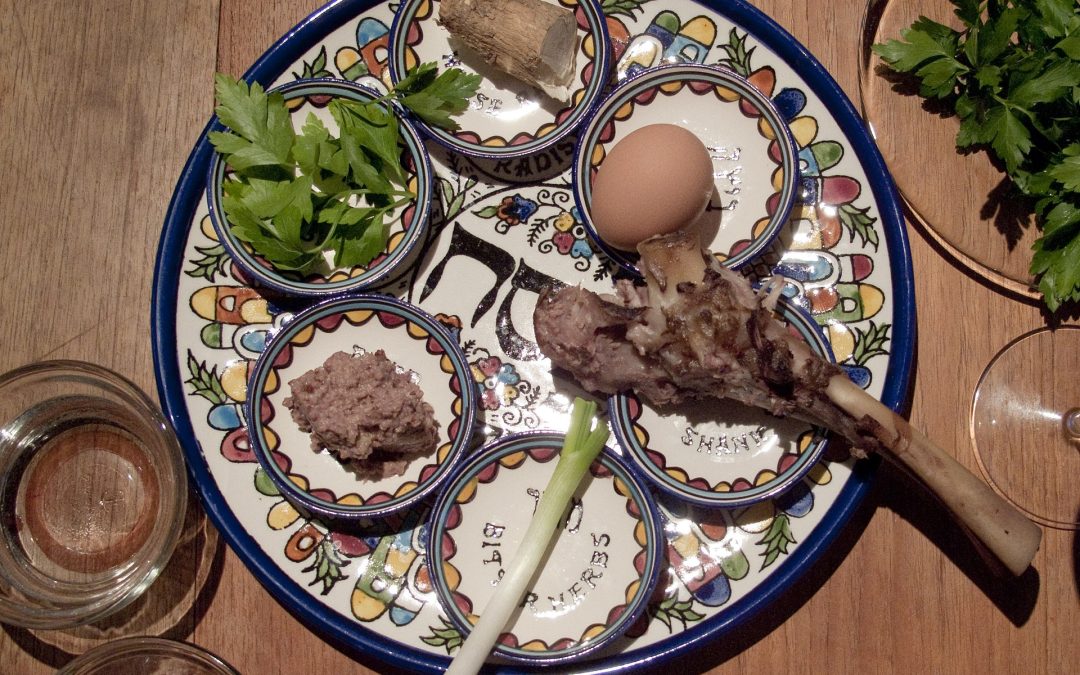
The Seder plate includes the shank bone, an egg, bitter herbs, a sweet mixture representing mortar, and a vegetable dipped in saltwater. Each has a specific role in the narrative, and Orthodox Jews in Israel follow the traditional order meticulously. The youngest child asks the Four Questions, prompting a discussion on the night’s significance, while the four cups of wine symbolize stages of redemption.
In Orthodox homes, the Seder can last for hours as participants explore commentaries from sages such as Rashi or the Vilna Gaon. The songs “Dayenu” and “Chad Gadya” bring an incredible sense of joy, uniting generations through the shared experience of their melodies. In Israel, the Seder feels more vibrant, as the land promised to the Israelites brings the story of liberation to life.
Variations Across Communities
Israel’s Orthodox population is diverse, including Ashkenazi, Sephardi, and Mizrahi traditions, each bringing unique flavors to the Seder. Ashkenazi Jews might emphasize matzah-based dishes, while Sephardi Jews incorporate rice and legumes (permitted in their tradition). Despite these differences, the core rituals remain unified, reflecting the shared commitment to halacha. In mixed communities, like those in Jerusalem, Seders might blend customs, showcasing the richness of Jewish heritage in Israel.
Teaching the Next Generation
For Orthodox Jews in Israel, the Seder is a critical moment for chinuch (education). Parents and grandparents use the Haggadah to instill emunah (faith) in children, explaining each step with stories and lessons. The interactive elements, like questions, songs, and the afikoman hunt, keep children engaged and help pass on traditions. In Israel, where Hebrew is the spoken language, the Haggadah’s text feels especially accessible, deepening this educational experience.
Pesach in Israel: The Seventh Day and the Red Sea
Shvi’i shel Pesach in Israel celebrates the parting of the Red Sea, when the pursuing Egyptian army was drowned. Orthodox Jews observe this day as a full holiday with special Torah readings (Exodus 13:17-15:26) and the recitation of the Song at the Sea (Shir HaYam). In Israel, some communities visit bodies of water to honor the biblical miracle and strengthen their connection to the land.
The Spiritual Climax
According to traditional beliefs, the Red Sea crossing is when the Israelites truly accepted their faith, singing praises to God as they saw His power. In Israel, this day is a moment to reflect on trust in divine providence, particularly meaningful in a land where Jewish survival has often defied the odds. Synagogues are filled with worshippers as the Song at the Sea is chanted passionately, its ancient words resonating in today’s streets.
Customs and Celebrations
Some Orthodox Jews in Israel celebrate Shvi’i shel Pesach with special meals or trips to the beach, like the Mediterranean Sea or the Kinneret (Sea of Galilee). While not a universal custom, these trips symbolize the journey from slavery to freedom. In Haredi communities, the focus remains on prayer and study, with shiurim (Torah lectures) exploring the day’s significance.
Communal Life During Pesach in Israel
In the days between the first and last days of the holiday, Orthodox Jews in Israel blend celebration with religious tradition. Many visit holy sites like the Western Wall or take family outings, but work is permitted only under specific conditions. In Haredi enclaves, yeshivas may remain in session, with students studying Pesach-related texts. The sense of community is palpable—neighbors share matzah-based meals, and synagogues host events to keep the holiday spirit alive.
Pilgrimage and Prayer
Pesach in Israel brings back the old tradition of going to Jerusalem during the three major festivals (Pesach, Shavuot, and Sukkot). While the Temple no longer stands, Orthodox Jews flock to the Kotel (Western Wall) to pray, especially on Chol HaMoed. The sight of thousands davening (praying) in unison reflects the holiday’s unifying power, a modern echo of biblical gatherings.
Family and Community Bonding
Chol HaMoed is a special opportunity for families to come together and create lasting memories. Orthodox Jews in Israel organize tiyulim (hikes) to national parks or historical sites or for example in Har Hevron, blending leisure with appreciation for the land. Communal Seders hosted by synagogues or charities allow the lonely or poor to celebrate, reflecting the value of chesed (kindness) important in Orthodox life.
Pesach in Israel and the Haredi Perspective
The Haredi, or ultra-Orthodox, community in Israel approaches Pesach with exceptional stringency. In cities like Bnei Brak and Mea Shearim, Pesach preparations become a public event. Streets are closed for burning chametz, and shops offer only the highest-certified products. Haredi Jews, especially in Ashkenazi Orthodox communities, typically avoid kitniyot, which includes legumes and grains like rice and corn. During Pesach in Israel, there is an emphasis on preserving tradition and resisting modern influences. Haredi’s education emphasizes isolation from mainstream society.Haredi yeshivas, Pesach is a teaching moment. Students learn about the laws of Pesach and read important writings by famous scholars like the Chofetz Chaim and Rav Ovadia Yosef. Some Haredi communities limit exposure to secular Pesach events, focusing inward to preserve their distinct way of life. In Israel, this creates a parallel world where Pesach is observed with unyielding fidelity to ancient practice.
The Role of Women
Haredi women in Israel play a key role during Pesach by supervising the koshering of homes and preparing elaborate meals according to strict guidelines. Their efforts ensure the family’s observance, a responsibility seen as a sacred partnership in fulfilling mitzvot (commandments). This demanding role highlights the communal and domestic aspects of the holiday.
The Modern Context: Pesach in Israel Today
In contemporary Israel, Pesach is a national holiday, with schools closed and businesses adapting to kosher-for-Pesach standards. For Orthodox Jews, this creates a unique environment where secular and religious intersect. Hotels provide Pesach programs featuring glatt kosher meals and Seders led by rabbis, designed specifically for observant families. In Jerusalem, the Old City buzzes with activity as pilgrims and locals celebrate near the Temple Mount, symbolizing their hope for ultimate redemption.
Pesach Tourism
Israel’s Pesach tourism industry thrives, with Orthodox families from abroad flocking to resorts in Eilat, Tiberias, or the Dead Sea. These programs provide a hassle-free Pesach in Israel, complete with Seders, lectures, and entertainment under rabbinic supervision. For local Orthodox Jews, this influx highlights Israel’s role as a global Jewish center during the holiday.
Challenges and Adaptations
Modernity poses challenges for Orthodox observance in Israel. Rising food costs, particularly for kosher-for-Pesach items, strain budgets, leading charities like Yad Ezra to provide matzah and essentials to those in need. Urban living presents challenges for chametz disposal, prompting the emergence of innovative solutions such as centralized burning sites. Yet, the Orthodox community adapts, maintaining tradition amid a changing world.
Why Pesach in Israel Matters to Orthodox Jews
For Orthodox Jews, Pesach in Israel is a bridge between past, present, and future. It’s a celebration of historical freedom, a commitment to faith through halacha, and a hope for the Messianic era when all Jews will return to the land. The immediacy of the land—where the Exodus led and where redemption will unfold—makes Pesach in Israel a singular experience. It’s a time when the Torah’s commandments feel alive, woven into the fabric of daily life in the Jewish homeland.
Connection to the Temple
Pesach in Israel evokes longing for the Beit HaMikdash (Holy Temple), where the korban Pesach (Passover sacrifice) was once offered. Orthodox Jews study the laws of this sacrifice (detailed in Exodus 12 and tractate Pesachim), praying for its restoration. In Jerusalem, the Temple Institute and other groups recreate the korban Pesach ritual, symbolizing their readiness for the Messianic age.
National Identity and Redemption
In Israel, Pesach reinforces Jewish national identity. For Orthodox Jews, the modern state represents progress toward geulah (redemption), and celebrating Pesach in Israel feels like a glimpse of that final freedom. The holiday’s themes—liberation, unity, and faith—resonate with Israel’s history, from the 1948 rebirth to today’s challenges.
Conclusion
Pesach in Israel, from an Orthodox Jewish perspective, is a profound blend of law, tradition, and spirituality. It’s a holiday that demands preparation, reflection, and celebration, all heightened by the sacred setting of the Holy Land. Pesach in Israel reflects the Orthodox commitment to the Torah through careful chametz removal, the joyful Seder, the crossing of the Red Sea, and the community connections formed during Chol HaMoed. As spring arrives, Orthodox Jews in Israel celebrate their identity as a redeemed community, seeing Pesach not just as a holiday but as a way of life rooted in faith and unity.