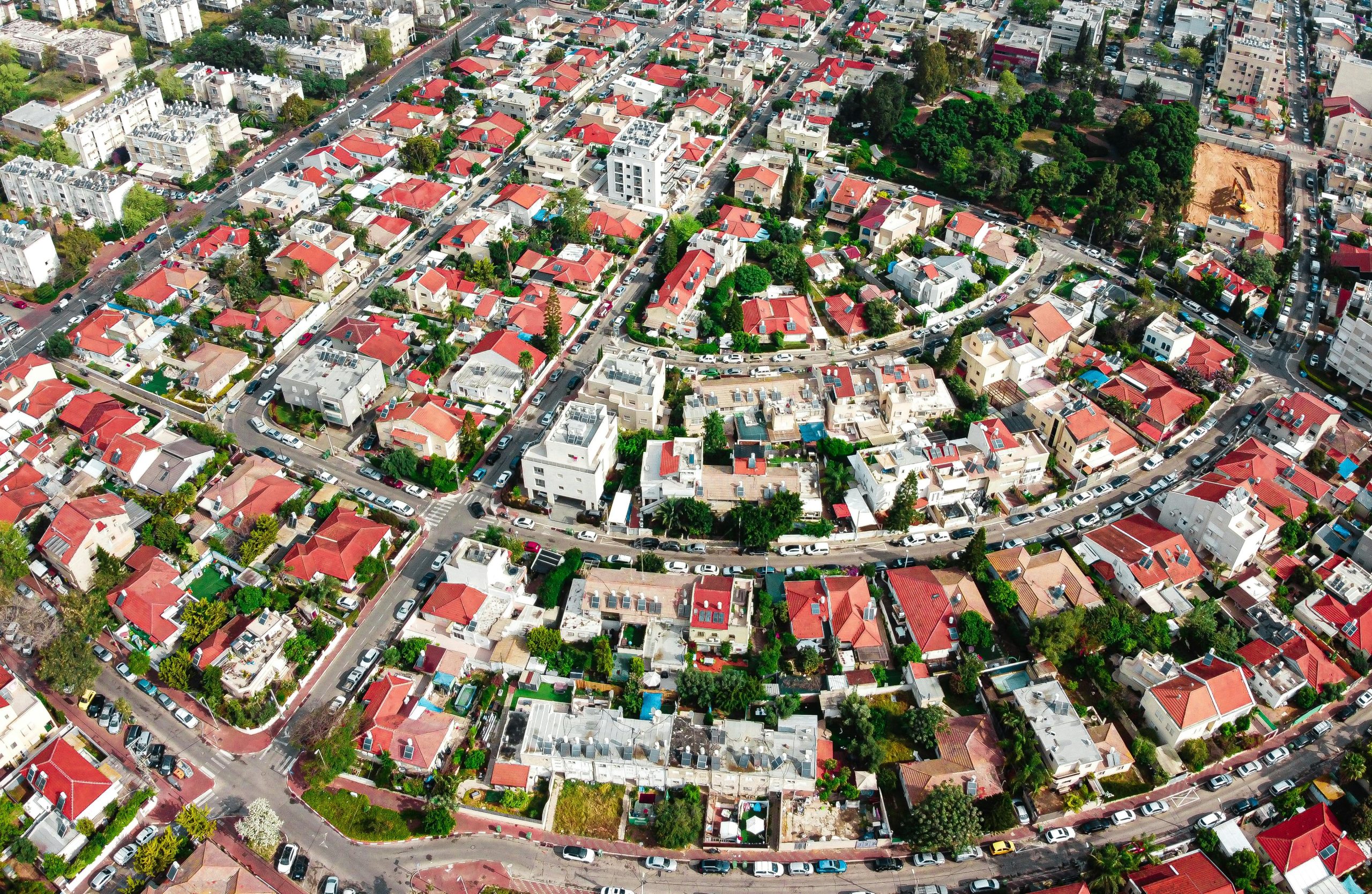
Homes for Sale in Israel: A Comprehensive Guide to the Vibrant Real Estate Market
 Israel’s real estate market is a captivating blend of historical significance, modern innovation, and cultural richness, making it an attractive destination for homebuyers and investors worldwide. Whether you’re drawn to the vibrant urban energy of Tel Aviv, the spiritual depth of Jerusalem, or the serene coastal charm of Netanya, searching for homes for sale in Israel opens a world of diverse property opportunities. This expanded 3,562-word article delves deeply into the current market trends, key locations, detailed buying processes, legal considerations, and expert tips for purchasing homes for sale in Israel, with a focus on the keyword homes for sale in Israel.
Why Invest in Homes for Sale in Israel?
Israel’s real estate market has demonstrated remarkable resilience, even amidst global economic fluctuations and regional geopolitical complexities. In the first quarter of 2024, the average price of owner-occupied dwellings surged by 12.75% year-on-year to ILS 2,233,400 (approximately $600,918), marking its fifteenth consecutive quarter of growth. Despite a 34.2% decline in dwelling transactions in 2023 due to economic uncertainties, the market rebounded strongly in 2024, with new dwelling sales soaring by 58.6% and existing home sales rising by 15.1% in the first five months of the year. This robust recovery underscores the enduring demand for homes for sale in Israel.
Several factors fuel the appeal of Israel’s housing market:
-
Strong Homeownership Culture: Approximately 73% of Israeli households own their homes, one of the highest rates globally, driven by cultural values that prioritize property ownership as a cornerstone of financial security and family legacy. Government initiatives, such as tax exemptions for first-time buyers and subsidized housing programs, further reinforce this trend.
-
Investment Potential: Properties in Israel, particularly in high-demand areas like Tel Aviv and Jerusalem, have shown consistent appreciation, making them attractive for both local and foreign investors. Off-plan properties, in particular, often double or triple in value over time, offering substantial returns for early investors.
-
Tourism and Rental Income: Israel’s thriving tourism sector, driven by its historical, religious, and cultural significance, creates lucrative opportunities for rental income. Vacation homes in cities like Tzfat, Tiberias, or Jerusalem are particularly popular on platforms like Airbnb, offering high yields.
-
Quality of Life: Israel’s Mediterranean climate, advanced infrastructure, and high standard of living make it an appealing destination. Access to world-class healthcare, education, and cultural amenities, combined with proximity to natural wonders like the Dead Sea, enhances the value of homes for sale in Israel.
-
Technological and Economic Hub: Israel’s nickname, the “Start-Up Nation,” reflects its booming tech sector, particularly in Tel Aviv and Herzliya. This economic dynamism attracts professionals and investors, driving demand for residential properties.
However, the market presents challenges. High property prices, complex legal processes, and occasional geopolitical tensions can pose risks, particularly for foreign buyers unfamiliar with local regulations. Despite these hurdles, the stability of Israel’s economy, coupled with its cultural and spiritual allure, continues to draw significant interest in homes for sale in Israel.
Popular Locations for Homes for Sale in Israel
Israel’s diverse geography and cultural landscape offer a variety of locations for prospective homebuyers. Below is an in-depth look at the most sought-after areas for homes for sale in Israel, each with its unique character and appeal:
Jerusalem: The Spiritual and Cultural Heart
Jerusalem, Israel’s capital, is a city where ancient history meets modern living, making it a top destination for buyers seeking homes for sale in Israel. The city’s neighborhoods, such as Rehavia, Baka, and Talbieh, offer a mix of historic villas, modern apartments, and luxury penthouses. In 2022, a luxury home in Talbieh sold for $21 million, highlighting the city’s high-end market.
-
Property Types: Buyers can find 3–5-room apartments, spacious penthouses with sukkah balconies, and restored historic buildings. For example, a 223-square-meter presale penthouse in Rechavia, featuring panoramic views and a private rooftop, is currently listed for sale.
-
Price Range: The average price per square meter in Jerusalem is approximately $1,699, though luxury properties in neighborhoods like German Colony or Arnona can exceed $2,500 per square meter.
-
Appeal: Jerusalem’s proximity to holy sites like the Western Wall, its vibrant cultural scene, and a growing expat community (particularly from the U.S., Canada, and France) make it a magnet for buyers. The city’s ongoing urban renewal projects, such as the redevelopment of the Talpiot industrial zone, further enhance its appeal.
-
Neighborhood Highlights:
-
Rehavia: Known for its leafy streets and Bauhaus-style buildings, Rehavia attracts affluent buyers and academics.
-
Baka: A blend of historic homes and modern apartments, ideal for families and young professionals.
-
Arnona: A quieter, family-oriented area with new developments and competitive prices.
-
Tel Aviv-Yafo: The Vibrant Coastal Metropolis
Tel Aviv, Israel’s economic and cultural hub, is renowned for its beaches, nightlife, and modernist architecture. The city’s real estate market is among the most expensive, with new housing transactions surging by 71.5% year-on-year in 2024, reflecting strong demand for homes for sale in Israel.
-
Property Types: Modern apartments, garden apartments, and renovated villas dominate the market. A 3-room apartment in the Noga Complex in North Jaffa, featuring sea views, is listed for $827,374. High-end projects like the Pagoda House offer luxury penthouses starting at $2 million.
-
Price Range: The average apartment price in Tel Aviv reached ILS 4.14 million ($1.2 million) in early 2024, with prime locations like Rothschild Boulevard commanding premiums.
-
Appeal: Tel Aviv’s cosmopolitan vibe, thriving tech ecosystem, and urban regeneration projects (e.g., the redevelopment of the Old Jaffa Port) attract young professionals, families, and investors. The city’s rental market is robust, with yields of 3–5% annually.
-
Neighborhood Highlights:
-
Neve Tzedek: A trendy, bohemian area with historic charm and high-end boutiques.
-
Jaffa: A mix of old-world charm and modern developments, popular among artists and expats.
-
Florentin: A vibrant, up-and-coming neighborhood with affordable apartments and a youthful vibe.
-
Netanya: Coastal Charm and Accessibility
Located along the Mediterranean coast, Netanya is a popular choice for buyers seeking affordability and a relaxed lifestyle compared to Tel Aviv. It’s particularly favored by foreign buyers, especially from France, the U.K., and the U.S.
-
Property Types: Seaside-view apartments, garden units, and private homes are prevalent. A 250-square-meter detached house on Moshe Sneh Street, featuring a private pool, is listed for $2,052,089.
-
Price Range: Properties range from $538,722 for modest apartments to $89,900,000 for luxury estates, with an average price of $3,421,155.
-
Appeal: Netanya’s sandy beaches, proximity to Tel Aviv (30 minutes by car), and growing Anglo community make it ideal for vacation homes, retirement properties, and permanent residences. The city’s new residential towers, such as those in the Ir Yamim neighborhood, offer modern amenities and sea views.
-
Neighborhood Highlights:
-
Ir Yamim: A modern, upscale area with new developments and beachfront properties.
-
City Center: Bustling with cafes, shops, and affordable apartments.
-
Poleg: A quieter area with family-friendly homes and green spaces.
-
Herzliya: Luxury and Exclusivity
Herzliya, particularly Herzliya Pituach, is synonymous with luxury and exclusivity, attracting wealthy buyers and tech entrepreneurs. Its proximity to Tel Aviv and high-quality infrastructure make it a prime location for homes for sale in Israel.
-
Property Types: Architecturally designed villas, luxury apartments, and beachfront estates. A 600-square-meter villa on Shalva Street, with a private garden and pool, is listed for $5,272,728.
-
Price Range: High-end properties dominate, with prices often exceeding $10 million for prime locations. Mid-range apartments start at $1.5 million.
-
Appeal: Herzliya’s exclusive communities, top-tier international schools, and access to high-tech hubs like the Herzliya Industrial Zone attract affluent families and investors. The marina and luxury shopping add to its allure.
-
Neighborhood Highlights:
-
Herzliya Pituach: A prestigious enclave with gated communities and seafront properties.
-
Herzliya Hills: Newer developments with modern apartments and family-friendly amenities.
-
Other Notable Areas for Homes for Sale in Israel
-
Tzfat: A spiritual haven in the Galilee, ideal for vacation homes. Exclusive projects in the Old City, like boutique apartments with mountain views, offer high Airbnb returns (5–7% annually).
-
Modi’in: A planned city between Tel Aviv and Jerusalem, popular with families. A 4-room apartment in the Moriah neighborhood is listed for ILS 3.85 million ($1.04 million).
-
Ra’anana: A favorite among Anglo immigrants, with modern apartments in new neighborhoods like Neve Zemer. A 5-room unit with a garden is listed for $1.2 million.
-
Zichron Ya’akov: A charming hilltop town with historic homes and modern estates. A detached house with vineyards starts at $1,027,877.
-
Eilat: A resort city on the Red Sea, ideal for vacation homes. A 3-room apartment with sea views is listed for $600,000.
These locations cater to diverse preferences, ensuring that buyers searching for homes for sale in Israel can find properties that align with their lifestyle, budget, and investment goals.
The Process of Buying Homes for Sale in Israel
Purchasing a home in Israel requires navigating a complex legal and financial landscape, particularly for foreign buyers. Below is a detailed, step-by-step guide to acquiring homes for sale in Israel:
1. Research and Budgeting
-
Market Research: Utilize platforms like Israel Property Hub, OnMap, or Yad2 to explore listings. These sites provide detailed filters for property type, location, and price, with virtual tours available for overseas buyers.
-
Budget Planning: Account for purchase taxes (mas rechisha, 0–8% based on property value), legal fees (1–2% of the purchase price), real estate agent commissions (1–2%), and potential renovation costs. Foreign buyers may need to open an Israeli bank account and obtain government permissions for certain transactions, especially for properties on state-owned land.
2. Engage Professionals
-
Real Estate Agent: Agencies like My Israel Home, RE/MAX, or Israel Home specialize in assisting foreign buyers, offering multilingual services, market insights, and connections to attorneys and mortgage brokers. Agents familiar with the oleh (immigrant) community can streamline the process for newcomers.
-
Attorney: A licensed Israeli real estate attorney is critical for reviewing contracts, verifying seller rights, and ensuring compliance with local laws. They check for liens, building permits, and proper land registration, while also advising on tax planning to minimize liabilities in Israel and the buyer’s home country.
-
Mortgage Broker: For financing, brokers can secure favorable terms from Israeli banks like Bank Hapoalim or Leumi, which offer mortgages to foreign residents with rates starting at 3–5%.
3. Property Selection and Negotiation
-
Site Visits: Arrange in-person or virtual tours through platforms like iHomes, which provide high-resolution photos, 3D tours, and mortgage calculators. For overseas buyers, agents can conduct live video walkthroughs.
-
Negotiation: Prices for existing homes are often negotiable, with discounts of 5–10% common. New constructions may offer incentives like deferred payment plans or upgrades (e.g., smart home systems). Understanding local market trends, such as recent sales in the neighborhood, strengthens negotiation leverage.
-
Due Diligence: Verify property details, including zoning regulations, building violations, and future development plans that could affect value. For example, check if the property is on state-leased land (common in Israel) or privately owned, as this impacts long-term costs and resale potential.
4. Legal and Financial Steps
-
Letter of Intent (Zichron Devarim): This preliminary agreement outlines the terms of the sale, including price and timeline. While not always binding, it sets expectations and may require a deposit (typically 10%).
-
Trust Account: Set up an escrow account with the attorney to securely hold funds during the transaction process.
-
Purchase Agreement: A detailed contract, drafted by the attorney, covers payment schedules, penalties for delays, and contingencies (e.g., financing approval). Both parties must sign before a notary.
-
Taxes: Pay purchase tax (mas rechisha), which ranges from 0% for first-time buyers (up to a property value of ILS 1.98 million) to 8% for properties over ILS 5.9 million. Plan for capital gains tax (mas shevach, 25%) upon future sales, though exemptions may apply for primary residences. Foreign buyers should consult tax experts to navigate double taxation treaties.
-
Financing: Secure a mortgage if needed, typically covering 50–75% of the property value for residents and 50% for non-residents. Provide proof of income, credit history, and identification.
5. Closing and Registration
-
Final Payment: Complete payments through the trust account, ensuring all conditions (e.g., inspections) are met.
-
Registration: Register the transaction with the Israel Land Authority (Tabu) to finalize ownership. This process can take 1–2 months, during which the attorney ensures all documents are filed correctly.
-
Handover: Receive the keys and conduct a final walkthrough to confirm the property’s condition.
6. Post-Purchase Considerations
-
Utilities and Taxes: Set up utilities (water, electricity, gas) and register for municipal taxes (arnona), which vary by city and property size.
-
Renovations: If needed, hire licensed contractors and obtain permits for renovations, especially for historic properties in Jerusalem or Jaffa.
-
Property Management: For investment properties, consider hiring a management company to handle rentals, particularly for vacation homes.
Tips for Foreign Buyers
-
Understand Land Ownership: Approximately 93% of land in Israel is state-owned and leased through the Israel Land Authority, which may involve long-term lease agreements (49–99 years). Private properties (minhal) are pricier but offer greater control.
-
Geopolitical Awareness: Assess regional stability and its potential impact on property values. While Israel’s economy is resilient, consult with local experts to understand risks.
-
Immigration Status: Buyers with oleh status (new immigrants) may qualify for tax exemptions and government grants, such as the First Home Buyer Program.
-
Currency Exchange: Plan for currency fluctuations, as most transactions are in New Israeli Shekels (ILS). Use reputable exchange services to minimize losses.
-
Professional Guidance: Engage multilingual professionals familiar with foreign buyer needs to navigate language barriers and cultural nuances.
Challenges and Opportunities in Israel’s Real Estate Market
Challenges
-
High Prices: Israel’s real estate, particularly in Tel Aviv and Jerusalem, ranks among Europe’s most expensive, with square meter prices ranging from €10,000–12,000 in prime areas. The high cost of living and limited land availability drive these prices.
-
Supply Shortages: Despite government efforts to increase construction (58,600 dwelling starts annually from 2015–2023), demand continues to outpace supply, pushing prices higher and creating competition for desirable properties.
-
Legal Complexities: Foreign buyers face additional hurdles, such as purchase taxes, restrictions on certain land types, and navigating Israel’s unique land lease system. Ensuring clear title and compliance with zoning laws requires expert legal support.
-
Geopolitical Risks: Regional tensions, while often localized, can create uncertainty for investors. Buyers should stay informed about political developments and consult risk assessments.
-
Financing Barriers: Non-residents face stricter mortgage requirements, including higher down payments (50% vs. 25% for residents) and additional documentation.
Opportunities
-
Government Incentives: Programs like “Pinui Ubinui” (urban renewal) and lotteries for discounted apartments (e.g., Buyer’s Price Program) provide opportunities for affordable purchases, particularly for first-time buyers and young families.
-
Urban Regeneration: Projects in Tel Aviv (e.g., the Sde Dov redevelopment) and Jerusalem (e.g., the Entrance to Jerusalem project) are transforming underutilized areas, boosting property values and creating new residential hubs.
-
Foreign Investment Surge: Rising global antisemitism and interest in Israel as a cultural and religious homeland have spurred demand from non-residents, particularly in Jerusalem, Beit Shemesh, and Netanya. In 2023, 40% of buyers in certain Jerusalem neighborhoods were foreign investors.
-
Rental Yields: High rental demand in urban centers (Tel Aviv, Jerusalem) and tourist areas (Tzfat, Eilat) offers yields of 3–7% annually, making homes for sale in Israel attractive for income-focused investors.
-
Tech-Driven Growth: Israel’s tech sector drives demand for housing in cities like Herzliya and Ra’anana, where proximity to high-tech parks supports long-term appreciation.
Future Outlook for Homes for Sale in Israel
The outlook for homes for sale in Israel is promising, with several trends shaping the market through 2025 and beyond:
-
Increased Housing Supply: The Construction and Housing Ministry aims to add 5,000–6,000 new homes annually through 2030, supported by urban renewal and new city developments like Kiryat Gat. These efforts aim to address supply shortages and improve affordability.
-
Smart Cities and Sustainability: New projects emphasize eco-friendly designs, such as solar-powered buildings and smart home technologies, particularly in Modi’in and Netanya.
-
Foreign Buyer Demand: Continued interest from diaspora communities, particularly in North America and Europe, is expected to sustain demand, especially for luxury and vacation properties.
-
Affordability Initiatives: Government programs targeting young couples and first-time buyers, such as subsidized mortgages and tax breaks, will support market accessibility.
-
Infrastructure Development: Major projects like the Tel Aviv Metro and expanded rail networks will enhance connectivity, boosting property values in suburban areas like Ra’anana and Modi’in.
However, affordability remains a key challenge. The government’s 2024–2025 housing plan includes measures to cap price increases and incentivize developers to build affordable units, but implementation will be critical to balancing investor and citizen needs.
Practical Tips for Buyers
-
Work with Local Experts: Engage agents and attorneys with experience in your target area to navigate local regulations and market nuances.
-
Leverage Technology: Use platforms like OnMap or Madlan for real-time market data, price comparisons, and neighborhood insights.
-
Plan for Long-Term Costs: Factor in maintenance, property taxes (arnona), and potential lease renewal fees for state-owned land.
-
Explore Off-Plan Opportunities: Pre-construction properties often offer discounts and customization options, with high appreciation potential.
-
Stay Informed: Monitor market trends through sources like the Central Bureau of Statistics or Globes for data on price movements and transaction volumes.
Conclusion
From the historic streets of Jerusalem to the vibrant beaches of Tel Aviv, Israel offers a diverse array of properties to suit varied lifestyles and investment goals. While challenges like high prices, legal complexities, and geopolitical considerations exist, the market’s resilience, government support, and strong rental demand make it a compelling choice for buyers. By conducting thorough research, engaging experienced professionals, and leveraging market opportunities, prospective homeowners can successfully navigate the process of purchasing homes for sale in Israel, turning their vision of owning property in this remarkable nation into reality.