Parshat Terumah: A Blueprint for Holiness and Connection
 Parshat Terumah, the Torah portion read from Exodus 25:1–27:19, marks a pivotal moment in the journey of the Israelites after their liberation from Egypt. Following the dramatic events of the Exodus and the revelation at Mount Sinai, this parsha shifts focus from miracles and commandments to a more intimate divine instruction: the construction of the Mishkan, the portable Tabernacle that would serve as God’s dwelling place among the people. For modern readers, Parshat Terumah offers timeless lessons about generosity, community, and creating sacred spaces—both physical and spiritual.
In this 2000-word exploration, we’ll dive into the key themes of Parshat Terumah, unpack its significance in Jewish tradition, and reflect on how its teachings resonate in our lives today. Whether you’re studying this Torah portion for spiritual growth, preparing a dvar Torah, or simply curious about its meaning, this guide will provide a deep and accessible understanding.
What Is Parshat Terumah?
Parshat Terumah, meaning “contribution” or “offering” in Hebrew, derives its name from the opening verse: “Speak to the children of Israel, that they take for Me an offering; from every man whose heart moves him you shall take My offering” (Exodus 25:2). This sets the tone for the parsha—a call for voluntary contributions to build the Mishkan, a sanctuary where God’s presence could dwell among the Israelites during their desert wanderings.
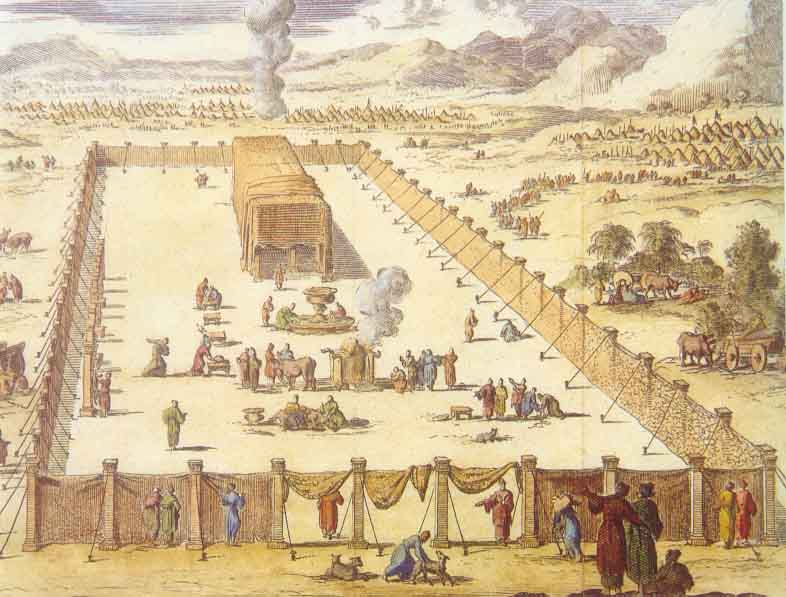
The portion spans Exodus 25:1 to 27:19 and details God’s meticulous instructions to Moses regarding the materials, measurements, and construction of the Tabernacle and its furnishings. These include the Ark of the Covenant (Aron HaKodesh), the Table for the Showbread (Shulchan), the Menorah, and the curtains and beams forming the structure itself. Far from being a mere architectural blueprint, Parshat Terumah reveals profound spiritual insights about the relationship between humanity and the Divine.
For those unfamiliar with the Jewish calendar, Parshat Terumah is typically read in late winter or early spring (in 2025, it falls around late February or early March, depending on the Hebrew calendar). It’s a parsha that invites reflection on how we contribute to holiness in our own lives.
The Core Themes of Parshat Terumah
1. The Power of Voluntary Giving
The Hebrew word “terumah” refers to an offering given freely, from the heart. Unlike taxes or mandatory dues, the contributions for the Mishkan were entirely voluntary: “from every man whose heart moves him.” This emphasis on intention sets Parshat Terumah apart. Gold, silver, copper, fine linens, and acacia wood were donated not out of obligation but out of a desire to participate in something sacred.
For modern readers, this raises a powerful question: What do we give willingly in our lives? Whether it’s time, resources, or kindness, Parshat Terumah reminds us that true generosity stems from the heart. This theme resonates beyond Jewish tradition, appealing to anyone seeking to live with purpose and selflessness.
2. God’s Desire to Dwell Among Us
Perhaps the most striking aspect of Terumah is God’s command: “And let them make Me a sanctuary, that I may dwell among them” (Exodus 25:8). After the transcendent revelation at Sinai, God doesn’t remain distant but seeks closeness with the people. The Mishkan becomes a tangible symbol of this divine-human partnership.
This idea challenges the notion of God as an abstract, unreachable force. Instead, Parshat Terumah presents a theology of immanence—God’s presence is accessible, even in the wilderness. Today, this invites us to consider how we create space for the sacred in our busy, often chaotic lives.
3. Precision and Purpose in Creation
The detailed instructions for the Mishkan—down to the exact dimensions of the Ark (2.5 cubits long, 1.5 cubits wide, 1.5 cubits high)—reflect a deeper truth: holiness requires intention and effort. Every element, from the cherubim atop the Ark to the seven-branched Menorah, serves a purpose. This precision mirrors the creation of the world in Genesis, suggesting that the Mishkan is a microcosm of the universe.
For contemporary readers, this can inspire a mindful approach to our own “building projects”—whether literal, like constructing a home, or metaphorical, like nurturing relationships or pursuing goals.
Key Elements of the Mishkan in Parshat Terumah
The Torah portion meticulously describes the Mishkan and its furnishings, each rich with symbolic meaning. Here’s a closer look:
The Ark of the Covenant (Exodus 25:10–22)
The Aron HaKodesh, made of acacia wood overlaid with gold, housed the tablets of the Ten Commandments. Above it sat two golden cherubim, their wings spread, marking the spot where God would communicate with Moses. The Ark represents the Torah as the heart of Jewish life and the intimate connection between God and Israel.
The Menorah (Exodus 25:31–40)
The seven-branched candelabrum, hammered from a single piece of gold, illuminated the Mishkan. Its light symbolizes wisdom, divine inspiration, and the eternal presence of God. The Menorah’s intricate design—cups, buds, and flowers—has inspired countless interpretations, from spiritual enlightenment to the unity of the Jewish people.
The Table and Showbread (Exodus 25:23–30)
The Shulchan held twelve loaves of bread, renewed weekly, representing sustenance and God’s provision. Positioned opposite the Menorah, it balances the spiritual (light) with the physical (bread), a reminder that holiness encompasses all aspects of life.
The Structure of the Mishkan (Exodus 26–27)
The Tabernacle’s curtains, beams, and sockets created a portable yet sacred space. Its mobility reflects the Israelites’ journey, while its sanctity underscores that holiness isn’t confined to a single location.
Historical and Spiritual Significance
Parshat Terumah bridges the narrative of the Exodus with the establishment of a communal religious identity. After escaping slavery and receiving the Torah, the Israelites now take an active role in their covenant with God. The Mishkan isn’t built by divine fiat but through human effort, symbolizing a partnership that continues in Jewish tradition through prayer, study, and acts of kindness.
Historically, the Mishkan served as the precursor to the Temple in Jerusalem. Its portability suited the Israelites’ nomadic life, but its design influenced the permanent structures of the First and Second Temples. Even after the Temple’s destruction, the themes of Terumah endure in synagogues and personal practice, where Jews create “mini-sanctuaries” through Shabbat, mitzvot, and community.
Lessons from Parshat Terumah for Today
Building Community Through Contribution
The call for donations in Terumah wasn’t just about materials—it was about unity. Rich and poor alike contributed what they could, weaving a collective tapestry of devotion. In our fragmented world, this serves as a model for collaboration. How can we contribute to our communities, whether through volunteering, supporting a cause, or simply showing up for others?
Creating Sacred Spaces
While we no longer build a physical Mishkan, Parshat Terumah challenges us to sanctify our surroundings. This might mean setting aside time for reflection, creating a peaceful home, or fostering environments where others feel valued. The parsha invites us to ask: Where is my sanctuary?
The Beauty of Details
The attention to detail in the Mishkan’s construction reminds us that small actions matter. A kind word, a moment of patience, a carefully crafted project—all these “measurements” build something greater than the sum of their parts.
Parshat Terumah in Jewish Practice
In synagogues, Parshat Terumah is read with a sense of anticipation, often falling close to Purim or the onset of spring. The haftarah (related prophetic reading) typically comes from 1 Kings 5:26–6:13, describing Solomon’s construction of the First Temple—a parallel to the Mishkan’s creation. Rabbis and educators often use Terumah as an opportunity to discuss tzedakah (charity), the role of art in worship (e.g., the Menorah’s craftsmanship), and the balance of individual and collective responsibility.
For those preparing a dvar Torah, Parshat Terumah offers rich material. You might explore the symbolism of the materials (e.g., gold as spirituality, wood as humanity) or contrast the voluntary giving here with the forced labor in Egypt. Whatever the angle, the parsha speaks to both head and heart.
SEO Optimization and Final Thoughts
Parshat Terumah is more than a historical account of a desert sanctuary; it’s a call to action. It asks us to give generously, build purposefully, and invite the sacred into our lives. As we reflect on its message in 2025—or any year—we’re reminded that holiness isn’t a gift bestowed upon us; it’s a space we create together.
May we all study this weeks parasha in memory of all the fallen victims and especially to remember the Bibas family.