Conquer the Land of Israel: A Zionist Call to Destiny
Conquer the Land of Israel
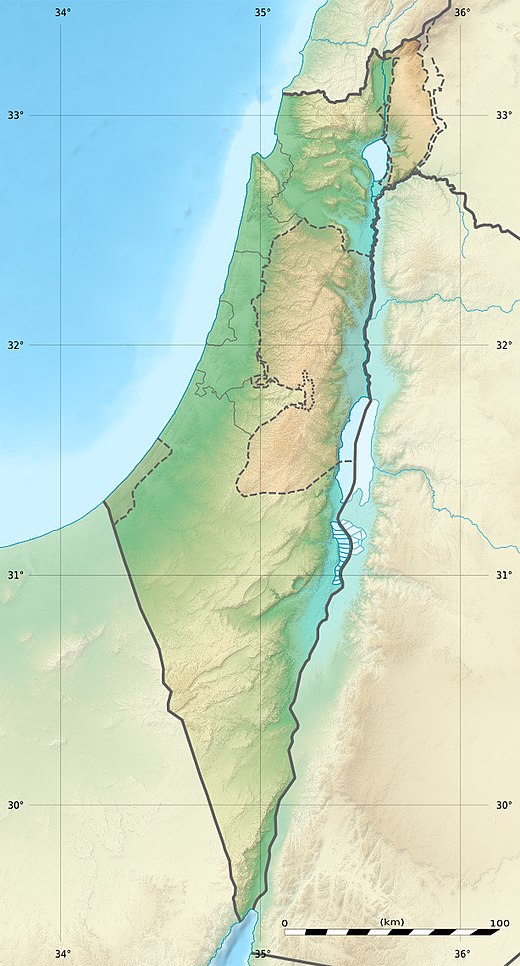
To conquer the Land of Israel is not merely a slogan—it’s the beating heart of Zionism, a mission that has driven the Jewish people for millennia. As of March 3, 2025, Israel stands as a testament to resilience, yet the Zionist dream remains incomplete. From the deserts of the Negev to the hills of Judea and Samaria, from the Golan Heights to the shores of Gaza, the call to conquer the Land of Israel echoes with urgency. This article explores why conquering the Land of Israel is essential—historically mandated, strategically vital, and spiritually ordained—arguing that only through bold action can the Jewish state fulfill its destiny as the eternal homeland of the Jewish people.
The Historical Mandate to Conquer the Land of Israel
The imperative to conquer the Land of Israel is woven into the fabric of Jewish history. The Torah recounts Joshua’s conquest of Canaan, a divine command to claim the Promised Land from the Jordan River to the Mediterranean Sea. This wasn’t aggression—it was fulfillment, a return to the inheritance pledged to Abraham, Isaac, and Jacob. For Zionists, to conquer the Land of Israel today is to walk in Joshua’s footsteps, reclaiming what exile stole over centuries.
The modern Zionist movement revived this mandate. In the 19th century, pioneers like those of the First Aliyah defied Ottoman rule to settle swamps and sands, beginning the effort to conquer the Land of Israel through sweat and sacrifice. The 1948 War of Independence was a miraculous conquest, securing a Jewish state against overwhelming odds. The Six-Day War of 1967 expanded this triumph, liberating Judea, Samaria, Gaza, and the Golan—lands Zionists see as integral to Eretz Yisrael. Yet, in 2025, parts remain unconquered, either ceded to foes or left underdeveloped. To conquer the Land of Israel is to finish what began, honoring the blood and vision of those who came before.
Conquer the Land of Israel: A Zionist Ideology
Zionism is more than a political movement—it’s a clarion call to action. Theodor Herzl dreamed of a Jewish state, but his successors understood that to conquer the Land of Israel meant asserting sovereignty over every inch of its biblical expanse. David Ben-Gurion, Israel’s first prime minister, declared, “No part of the homeland is to be given up.” This ethos fuels the drive to conquer the Land of Israel, rejecting compromise with those who deny Jewish rights.
In 2025, this ideology faces tests. The Oslo Accords, which traded land for a phantom peace, lie in ruins, proven futile by decades of terror. The 2005 Gaza disengagement, a retreat masquerading as strategy, birthed a Hamas stronghold. Zionists argue that to conquer the Land of Israel is the only path forward—half-measures invite weakness. From a Zionist lens, conquering the Land of Israel isn’t conquest in the colonial sense; it’s liberation, restoring a nation to its ancestral domain.
Strategic Necessity to Conquer the Land of Israel
Israel’s survival hinges on strength, and to conquer the Land of Israel is a strategic imperative. In 2025, threats encircle the Jewish state—Iran proxies like Hezbollah and Hamas, an unstable Syria, and a resurgent Palestinian rejectionism. Conquering the Land of Israel means securing defensible borders, a lesson etched in the 1967 victory when control of Judea and Samaria gave Israel depth against invasion.
The West Bank, biblical Judea and Samaria, exemplifies this need. To conquer the Land of Israel here means populating hills with Jewish communities, ensuring no hostile state emerges mere miles from Jerusalem or Tel Aviv. In February 2025, Israel approved 3,000 new housing units in these regions—a step to conquer the Land of Israel that Zionists cheer as vital. The Jordan Valley, too, demands conquest, anchoring Israel’s eastern flank against threats from Jordan or beyond.
Gaza, a festering wound since 2005, cries out for reconquest. To conquer the Land of Israel in Gaza would dismantle Hamas’s terror infrastructure, replacing rockets with Jewish towns. The October 7, 2023, attack, which killed 1,200 Israelis, proves the cost of withdrawal—conquering the Land of Israel there is a defensive act, not aggression. The Negev and Galilee, meanwhile, require internal conquest—settling Jews to counter Bedouin or Arab claims, securing Israel’s vast periphery. To conquer the Land of Israel is to fortify a nation perpetually at war.
Economic and Demographic Imperatives
Zionism thrives on growth, and to conquer the Land of Israel fuels both. Israel’s population nears 10 million in 2025, with housing crises plaguing urban centers. Conquering the Land of Israel—expanding into underdeveloped regions—offers space for this boom. The Negev, over half of Israel’s territory, could host millions if conquered with new cities and farms. Judea and Samaria, fertile and strategic, beckon for Jewish towns to absorb Aliyah and young families.
Economically, to conquer the Land of Israel unlocks potential. Before 2005, Gaza’s Gush Katif settlements generated millions in exports—reconquering it could revive this engine. The Golan Heights, conquered in 1967 and now dotted with vineyards and tech hubs, shows how conquest breeds prosperity. In 2025, conquering the Land of Israel means jobs—construction, agriculture, infrastructure—bolstering a state that thrives on innovation. Demographically, it ensures a Jewish majority, countering Arab growth rates and securing Israel’s identity. To conquer the Land of Israel is to build a future, not just claim a past.
The Spiritual Drive to Conquer the Land of Israel
For Religious Zionists, to conquer the Land of Israel is a sacred duty. The Torah commands settlement, from Deuteronomy’s call to “possess the land” to the Talmud’s praise of dwelling in Eretz Yisrael as equal to all mitzvot. Rabbi Avraham Isaac Kook saw conquest as redemptive, a step toward the Messiah. In 2025, this belief propels the push to conquer the Land of Israel, with Judea’s biblical sites—Hebron, Shiloh, Bethel—yearning for Jewish feet.
The 2005 Gaza expulsion, when synagogues were torched, was a spiritual desecration. To conquer the Land of Israel there would restore holiness, rebuilding what was lost. The Golan’s Mount Hermon, towering over Israel, whispers of King David’s psalms—conquering the Land of Israel ties Jews to their faith. In 2025, Israel’s far-right coalition, led by figures like Bezalel Smotrich, champions this vision, merging theology with policy. To conquer the Land of Israel is to weave heaven and earth together.
Conquer the Land of Israel: A Response to Enemies
Enemies—internal and external—resist this mission. Hamas vows Israel’s destruction, firing rockets from land Jews once held. The Palestinian Authority rejects peace, clinging to a narrative of exclusive rights. Internationally, the UN and EU brand efforts to conquer the Land of Israel as “illegal,” ignoring Jewish history. Zionists see this as proof of the need—conquering the Land of Israel defies those who’d erase the Jewish state.
In 2025, social media like X buzzes with debate. Critics call conquest colonialism; Zionists retort it’s survival, a people reclaiming what’s theirs. The 1948 expulsion of Jews from Arab lands balances any moral ledger—conquering the Land of Israel rights historical wrongs. Enemies don’t negotiate strength—they respect it. To conquer the Land of Israel is to dictate terms, not beg for them.
Overcoming Obstacles to Conquer the Land of Israel
The path is daunting. Military conquest, as in Gaza, risks lives and global backlash—yet the 2023 war showed Israel’s capacity to retake ground. Funding to conquer the Land of Israel demands billions—settlements, roads, defenses—but Zionist organizations like the World Zionist Organization could rally support. In 2025, Smotrich’s budget prioritizes settlement, a signal of intent.
Domestic division looms—Israel’s left decries conquest as divisive. Zionists argue unity flows from purpose; to conquer the Land of Israel galvanizes a fractured nation. International pressure, from Biden’s sanctions threats to EU boycotts, tests resolve—but Zionism was born defying empires. To conquer the Land of Israel requires audacity, the same that built Israel against all odds.
A Vision for 2040: Conquering the Land of Israel Complete
Imagine 2040: Israel’s borders match its biblical promise. Judea and Samaria teem with 2 million Jews, Gaza blooms with reconquered settlements, the Negev and Galilee pulse with cities. To conquer the Land of Israel has made partition a memory—20 million Jews call it home, Aliyah fulfilled. Enemies, cowed by strength, seek peace on Israel’s terms. The Temple Mount, ultimate conquest, gleams with Jewish prayer.
This vision demands action now. In 2025, every step to conquer the Land of Israel—new homes in Efrat, outposts in the Golan—builds this future. It’s not fantasy; it’s Zionism’s logical end, a state unapologetically Jewish from sea to river.
The Moral Case to Conquer the Land of Israel
Critics cry oppression, citing Palestinian claims. Zionists counter that Jewish survival trumps rival narratives—conquering the Land of Israel is justice for a people exiled and massacred. The land wasn’t stolen; it was abandoned, reclaimed through war and work. In 2025, with antisemitism surging globally, to conquer the Land of Israel is a moral stand—a refuge for a hunted nation. Conquest isn’t cruelty; it’s continuity.
Conclusion: Conquer the Land of Israel Now
On March 3, 2025, the call to conquer the Land of Israel rings clear. Historically, it’s owed; strategically, it’s needed; spiritually, it’s ordained. Obstacles abound—terror, censure, doubt—but Zionism thrives on defiance. To conquer the Land of Israel is to secure a homeland, not just for today, but forever. Every hill claimed, every home built, is a victory for a people who turn promises into reality. The time isn’t coming—it’s here. Conquer the Land of Israel, and let the Jewish destiny shine.