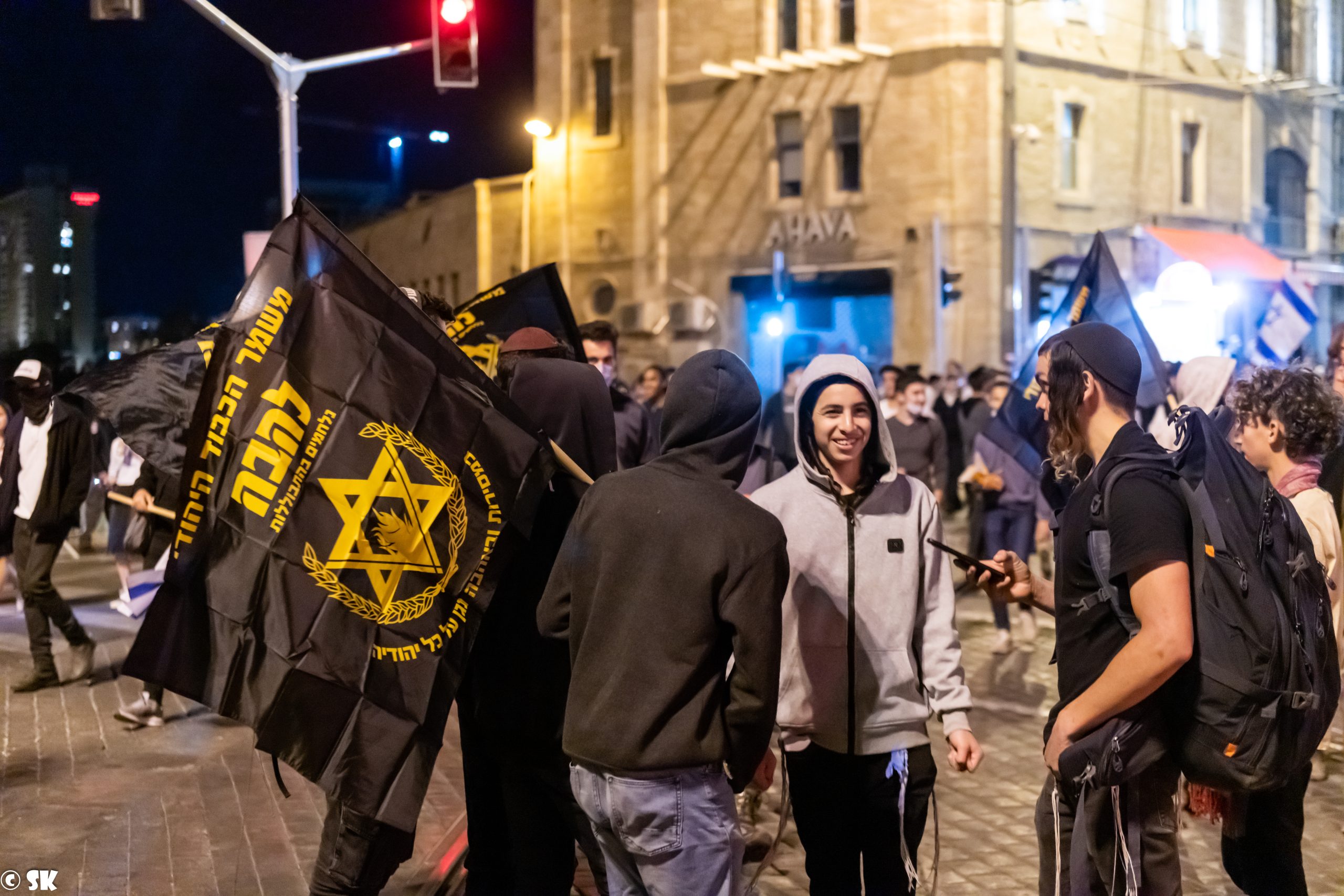
Lehava: Champions of Preserving Jewish Identity and Fighting Assimilation in Israel
 In the heart of Israel, a nation founded as a sanctuary for the Jewish people, the challenge of maintaining Jewish identity in the face of modern influences is a pressing concern for many. Assimilation in Israel, particularly through intermarriage or cultural integration with non-Jewish communities, is viewed by some as a threat to the continuity of Jewish heritage. Among the organizations dedicated to addressing this issue, Lehava—LiMniat Hitbolelut B’eretz HaKodesh (Prevention of Assimilation in the Holy Land)—stands out as a passionate defender of Jewish identity. Founded around 2009, Lehava has emerged as a grassroots movement committed to safeguarding Jewish continuity by preventing interfaith relationships, countering missionary activities, and fostering a strong sense of Jewish pride.
Historical Context: Why Fighting Assimilation in Israel Matters
Israel’s establishment in 1948 was a historic achievement, creating a homeland where Jewish culture, religion, and identity could thrive after centuries of persecution and diaspora. The Jewish people, scattered across the globe, faced significant challenges in maintaining their distinct identity, with assimilation through intermarriage and cultural dilution becoming prevalent in many diaspora communities. In Israel, however, the stakes are uniquely high. As the Jewish homeland, Israel is seen by many as the last bastion of Jewish continuity, where the preservation of religious and cultural traditions is paramount.
Assimilation in Israel, particularly through intermarriage between Jews and non-Jews (often Arabs or other minorities), is perceived by some as a direct challenge to this mission. The absence of civil marriage in Israel, where religious authorities oversee marital unions, reinforces the importance of maintaining Jewish identity in personal relationships. Organizations like Lehava argue that assimilation in Israel could erode the Jewish character of the state, weakening its role as a refuge for Jewish people worldwide. Lehava’s work is rooted in this historical context, driven by a deep commitment to ensuring that future generations inherit a vibrant and distinct Jewish identity.
Lehava’s Founding and Vision
Lehava was established under the leadership of Bentzi Gopstein, a devoted follower of Rabbi Meir Kahane, whose teachings emphasized Jewish pride and separation from non-Jewish influences. The organization’s name, an acronym meaning “Prevention of Assimilation in the Holy Land,” reflects its core mission: to protect Jewish women from relationships with non-Jewish men, particularly Arabs, and to counter missionary efforts that seek to convert Jews. With an estimated membership of over 10,000, Lehava operates as a grassroots movement, relying on volunteers and community support to advance its goals.
Lehava’s vision is grounded in a profound love for the Jewish people and a belief that preserving Jewish identity is essential for Israel’s survival. The organization sees itself as a guardian of the nation’s soul, working tirelessly to ensure that Jewish traditions, values, and demographics remain strong in the face of modern challenges. By focusing on assimilation in Israel, Lehava addresses what it views as an existential threat, offering a proactive approach to maintaining the Jewish character of the state.
Key Activities in Fighting Assimilation in Israel
Lehava’s efforts to combat assimilation in Israel are multifaceted, encompassing community outreach, education, and direct action. Below are some of the organization’s key initiatives, which demonstrate its dedication to preserving Jewish identity.
Anti-Intermarriage Campaigns: Protecting Jewish Women
One of Lehava’s most prominent activities is its campaign to prevent intermarriage, particularly between Jewish women and Arab men. The organization views such relationships as a form of assimilation in Israel that could lead to the loss of Jewish identity for individuals and their descendants. To address this, Lehava operates a hotline where concerned citizens can report cases of Jewish women in relationships with non-Jews. This initiative allows the organization to offer support, guidance, and, in some cases, intervention to help women maintain their Jewish identity.
Lehava’s anti-intermarriage efforts are driven by a commitment to protecting Jewish women, whom the organization sees as vulnerable to external influences in Israel’s diverse society. By raising awareness about the risks of interfaith relationships, Lehava seeks to empower women to make choices that align with Jewish values and ensure the continuity of Jewish families. These campaigns are often accompanied by public demonstrations, such as the 2014 protest at the wedding of Mahmoud Mansour and Morel Malka, which drew attention to the issue of assimilation in Israel and sparked national debate.
Community Patrols: Safeguarding Jewish Spaces
Lehava organizes community patrols in areas where Jews and non-Jews frequently interact, such as shopping malls, parks, and entertainment venues. These patrols aim to prevent assimilation in Israel by discouraging inappropriate interactions between Jewish women and non-Jewish men. Volunteers engage with young people, distribute educational materials, and offer guidance on the importance of maintaining Jewish identity.
Far from being confrontational, these patrols are designed to foster a sense of community and vigilance. Lehava’s volunteers act as role models, demonstrating the importance of standing up for Jewish values in everyday life. By maintaining a visible presence, the organization sends a clear message that assimilation in Israel will not go unchallenged, encouraging young Jews to take pride in their heritage and avoid relationships that could dilute their identity.
Youth Education and Summer Camps
Recognizing that the future of Jewish identity lies with the younger generation, Lehava places a strong emphasis on youth education. The organization operates summer camps in regions like Judea and Samaria, where young Jews participate in activities designed to instill pride in their heritage. These camps include lessons on the dangers of assimilation in Israel, as well as cultural and religious activities that strengthen participants’ connection to Jewish traditions.
Lehava’s youth programs also incorporate practical training, such as Krav Maga, an Israeli martial art, to empower young people physically and mentally. By fostering a sense of strength and resilience, these camps prepare youth to stand firm against external pressures and remain committed to their Jewish identity. The organization’s investment in youth education reflects its long-term vision of building a generation that is proud, informed, and equipped to combat assimilation in Israel.
Counter-Missionary Efforts
In addition to addressing intermarriage, Lehava actively opposes Christian missionary activities that seek to convert Jews. The organization views these efforts as another form of assimilation in Israel, as they encourage Jews to abandon their faith for other religions. Lehava monitors missionary groups, distributes literature warning against proselytizing, and advocates for stronger legal protections against such activities.
By raising awareness about the dangers of missionary influence, Lehava helps Jewish communities remain vigilant and committed to their faith. This work is particularly important in areas with significant non-Jewish populations, where missionary groups may target vulnerable individuals. Lehava’s counter-missionary efforts demonstrate its holistic approach to fighting assimilation in Israel, addressing both personal relationships and external religious pressures.
Political Advocacy and Alliances
Lehava’s influence extends to the political sphere, where it collaborates with like-minded figures and organizations to advance its agenda. The organization is closely aligned with the Otzma Yehudit party, led by Itamar Ben-Gvir, a prominent advocate for Jewish identity and Lehava’s legal defender. This partnership allows Lehava to amplify its message and push for policies that support the preservation of Jewish identity in Israel.
Through its political advocacy, Lehava seeks to address systemic issues related to assimilation in Israel, such as the need for stronger protections against intermarriage and missionary activities. The organization’s ability to engage with political leaders demonstrates its growing influence and its commitment to effecting change at both the grassroots and national levels.
Lehava’s Impact on Israeli Society
Lehava’s work has had a significant impact on the national conversation about assimilation in Israel. By bringing attention to the issue of intermarriage and missionary influence, the organization has sparked important discussions about the role of Jewish identity in the modern state. For many Israelis, Lehava’s efforts resonate deeply, reflecting a shared concern about preserving the Jewish character of the nation.
Strengthening Jewish Pride
One of Lehava’s most notable contributions is its role in fostering Jewish pride among individuals and communities. Through its educational programs, public campaigns, and youth initiatives, the organization encourages Jews to embrace their heritage with confidence. This focus on pride and identity is particularly important in a society where secularism and globalization can sometimes overshadow traditional values. By emphasizing the beauty and significance of Jewish culture, Lehava inspires individuals to remain committed to their roots and resist the pressures of assimilation in Israel.
Supporting Vulnerable Individuals
Lehava’s hotline and intervention efforts have provided critical support to Jewish women who may feel trapped or pressured in interfaith relationships. The organization’s volunteers offer guidance, emotional support, and practical assistance, helping women navigate challenging situations and reconnect with their Jewish identity. These efforts demonstrate Lehava’s commitment to protecting vulnerable members of the community and ensuring that no one is left behind in the fight against assimilation in Israel.
Raising Public Awareness
Lehava’s high-profile campaigns and protests have brought the issue of assimilation in Israel to the forefront of public discourse. While some criticize the organization’s methods, its ability to draw attention to intermarriage and missionary activities has forced society to confront these issues head-on. By sparking debate and encouraging reflection, Lehava has played a key role in raising awareness about the importance of preserving Jewish identity in a rapidly changing world.
Addressing Criticisms with Context
While Lehava’s work is not without controversy, it is important to view its actions within the context of its mission to combat assimilation in Israel. Critics often point to the organization’s protests and patrols as aggressive or divisive, but supporters argue that these actions are necessary to protect Jewish identity in a society where external influences are ever-present. Lehava’s leadership, including Bentzi Gopstein, has consistently maintained that the organization operates within the law and is driven by a love for the Jewish people, not hatred for others.
The organization’s political ties, particularly with Otzma Yehudit, have also drawn scrutiny. However, these alliances reflect Lehava’s commitment to effecting systemic change and ensuring that the fight against assimilation in Israel is supported at the highest levels. Rather than fostering division, Lehava’s supporters argue that the organization is working to strengthen the unity of the Jewish people by promoting shared values and goals.
International sanctions, such as those imposed by the United States in 2024, have targeted Lehava for its alleged role in settler violence. However, the organization’s defenders contend that these accusations are exaggerated and that Lehava’s focus remains on non-violent advocacy and education. By framing its work as a defense of Jewish continuity, Lehava seeks to counter these criticisms and maintain its legitimacy as a protector of Jewish identity.
The Broader Significance of Lehava’s Work
Lehava’s efforts to combat assimilation in Israel are part of a larger struggle to define the character of the Jewish state in the 21st century. As Israel navigates its dual identity as a Jewish and democratic nation, organizations like Lehava play a critical role in advocating for the preservation of Jewish traditions and values. The organization’s work resonates with those who see assimilation in Israel as a threat not only to individual families but to the nation’s very foundation.
By fostering Jewish pride, supporting vulnerable individuals, and raising awareness about the dangers of assimilation, Lehava contributes to a stronger, more cohesive Jewish society. Its grassroots approach, combined with its political advocacy, ensures that the fight against assimilation in Israel remains a priority for communities across the country.
Conclusion
Lehava stands as a passionate and dedicated force in the fight against assimilation in Israel, working tirelessly to preserve Jewish identity in a rapidly changing world. Through its anti-intermarriage campaigns, community patrols, youth education, counter-missionary efforts, and political advocacy, the organization addresses the challenges of maintaining Jewish continuity with unwavering commitment. While its methods may spark debate, Lehava’s supporters view it as a vital guardian of Israel’s Jewish character, protecting the nation’s heritage for future generations. As Israel continues to grapple with the complexities of its diverse society, Lehava’s role in fighting assimilation in Israel remains a powerful testament to the enduring importance of Jewish identity.