Housing Opportunities in the Golan Heights
 The Golan Heights, a strategically vital and breathtakingly beautiful region, is an integral part of Israel, annexed in 1981 following its capture from Syria during the 1967 Six-Day War. This volcanic plateau, spanning roughly 1,200 square kilometers in Israel’s Northern District, is renowned for its rugged terrain, fertile soil, and critical water resources feeding the Jordan River and the Sea of Galilee. Despite its contested international status, Israel administers the Golan as a core region, fostering extensive development and creating diverse housing opportunities in the Golan. Home to about 53,000 residents, including Jewish Israelis, Druze, and a small Alawite community, the Golan Heights hosts 33 Jewish settlements and five Druze villages, offering a range of housing opportunities in the Golan from urban apartments to rural kibbutzim and luxury estates. Housing opportunities in the Golan are driven by government-backed initiatives, affordable real estate, and the region’s appeal as a serene, nature-rich alternative to Israel’s urban centers. This comprehensive article explores the housing market, details all settlements, examines economic incentives, cultural dynamics, and the challenges and prospects shaping housing opportunities in the Golan.
The Appeal of Housing Opportunities in the Golan
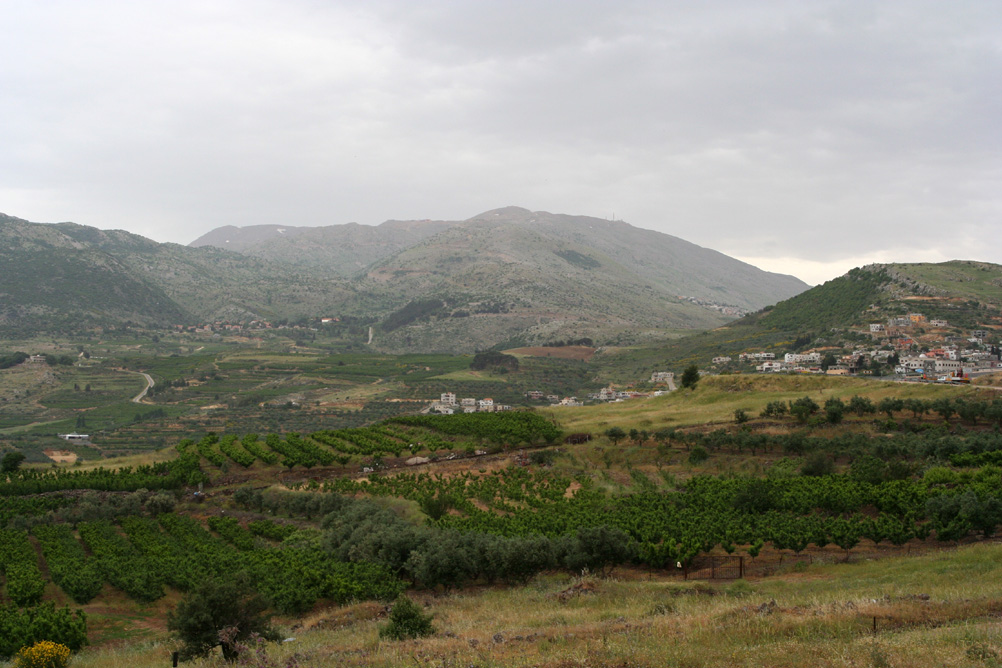
The Golan Heights captivates with its dramatic landscapes, from the snow-capped Mount Hermon to basalt hills, vineyards, and orchards. Its strategic location, overlooking the Sea of Galilee and bordering Lebanon and Jordan, enhances its significance, while its fertile volcanic soil supports agriculture, including renowned wineries like Golan Heights Winery. The region’s population includes approximately 27,000 Jewish Israelis in 33 settlements and 25,000 Druze in villages like Majdal Shams, alongside smaller Alawite communities. Housing opportunities in the Golan are bolstered by property prices significantly lower than in Israel’s urban hubs like Tel Aviv, where homes often exceed 3,700,000 shekels. In the Golan, apartments start at 750,000 shekels, making housing opportunities in the Golan appealing to young families, retirees, and investors seeking high-yield properties in a tranquil setting.
The appeal of housing opportunities in the Golan lies in its clean air, low population density, and access to outdoor activities, such as hiking in Nachal Sa’ar, skiing on Mount Hermon, or exploring the Gamla Nature Reserve. The tourism industry, driven by wineries, orchards, and historical sites, supports a growing market for vacation rentals, further enhancing housing opportunities in the Golan. Real estate in Katzrin, the largest settlement, has seen property values double over the past decade, from 500,000 to 1,000,000 shekels, outpacing Israel’s national average increase of 60-70%. This growth, combined with government investments, positions housing opportunities in the Golan as a promising choice for homebuyers and investors.
Government Initiatives Driving Housing Opportunities in the Golan
Israel’s government has prioritized the Golan’s development, viewing it as critical for demographic and economic growth, thereby fostering housing opportunities in the Golan. In December 2021, a 1,000,000,000 shekel plan was approved to double the Jewish population by 2030, including 7,300 new housing units: 3,300 in Katzrin and 4,000 across rural settlements. Two new settlements, Asif and Matar, are planned to house 2,000 residents each, featuring modern infrastructure and sustainable designs to support housing opportunities in the Golan. The Israel Land Authority has issued tenders for projects like a 1,560-apartment neighborhood in Katzrin, which could increase its population by over 50%. Additional investments include 567,000,000 shekels for housing infrastructure, 160,000,000 shekels for transportation, healthcare, and education, and 162,000,000 shekels for economic development, including industrial zones expected to create 2,000 jobs, all of which enhance housing opportunities in the Golan.
In December 2024, Israel approved an additional 40,000,000 shekels to expand settlements, focusing on demographic growth and infrastructure like education facilities, renewable energy, and a student village, further strengthening housing opportunities in the Golan. These initiatives address historical challenges, such as limited connectivity and employment, by improving roads like Route 90 and establishing new transit options. However, environmental groups, including the Society for the Protection of Nature in Israel, have raised concerns about the ecological impact of rapid development, particularly on water resources and biodiversity, which could affect housing opportunities in the Golan. Despite these challenges, the government’s commitment reinforces the Golan’s status as a thriving hub for housing opportunities in the Golan.
Comprehensive List of Settlements in the Golan Heights
The Golan Heights hosts 33 Jewish settlements under the Golan Regional Council and five Druze villages, each offering distinct housing opportunities in the Golan. Below is a detailed overview of all settlements, their characteristics, and housing options, based on available data and regional development trends.
Jewish Settlements
-
Afek: A small moshav with 150 residents, offering cottages and agricultural plots starting at 800,000 shekels. Its proximity to Katzrin enhances housing opportunities in the Golan for families seeking rural living.
-
Alonei Habashan: A religious moshav with 400 residents, featuring single-family homes (80-120 square meters, 900,000 shekels) and a community-oriented lifestyle, ideal for housing opportunities in the Golan.
-
Ani’am: A mixed secular-religious moshav with 500 residents, offering homes with gardens starting at 850,000 shekels, appealing for community-focused housing opportunities in the Golan.
-
Avnei Eitan: A moshav with 700 residents, known for affordable homes (700,000-1,000,000 shekels) and agricultural opportunities near the Yarmouk River, supporting housing opportunities in the Golan.
-
Bnei Yehuda: A moshav with 600 residents, featuring homes with Sea of Galilee views starting at 750,000 shekels, popular for housing opportunities in the Golan near tourism sites.
-
Ein Zivan: A kibbutz with 400 residents, known for its winery and orchards, offering cottages (800,000-1,200,000 shekels) and a cooperative lifestyle, enhancing housing opportunities in the Golan.
-
El Rom: A kibbutz with 250 residents, featuring homes starting at 850,000 shekels near Mount Hermon’s ski slopes, ideal for housing opportunities in the Golan.
-
Eli-ad: A moshav with 500 residents, offering affordable homes (700,000 shekels) and agricultural plots, supporting housing opportunities in the Golan in a fertile area.
-
Geshur: A kibbutz with 300 residents, known for its historical significance and homes starting at 800,000 shekels, contributing to housing opportunities in the Golan.
-
Givat Yoav: A moshav with 600 residents, offering homes with Sea of Galilee views (800,000-1,000,000 shekels), ideal for housing opportunities in the Golan.
-
Had Nes: A community settlement with 800 residents, featuring modern homes (900,000 shekels) and tourism-driven rental options, enhancing housing opportunities in the Golan.
-
Hispin: A religious moshav with 700 residents, offering family-oriented homes starting at 850,000 shekels, supporting housing opportunities in the Golan.
-
Kanaf: A moshav with 400 residents, known for affordable homes (750,000 shekels) near the Sea of Galilee, contributing to housing opportunities in the Golan.
-
Katzrin: The largest settlement with 8,000 residents, offering urban apartments (70-140 square meters, 750,000-1,500,000 shekels) and planned expansions, a hub for housing opportunities in the Golan.
-
Kela Alon: A small moshav with 200 residents, featuring cottages starting at 800,000 shekels in a quiet, rural setting, ideal for housing opportunities in the Golan.
-
Keshet: A moshav with 600 residents, offering homes with agricultural plots (850,000 shekels), supporting housing opportunities in the Golan.
-
Kidmat Tsvi: A moshav with 500 residents, known for affordable homes (750,000 shekels) and proximity to nature reserves, enhancing housing opportunities in the Golan.
-
Ma’ale Gamla: A community settlement with 400 residents, offering homes with scenic views (900,000 shekels), ideal for housing opportunities in the Golan.
-
Mevo Hama: A kibbutz with 300 residents, featuring lakeside cottages starting at 850,000 shekels, contributing to housing opportunities in the Golan.
-
Merom Golan: A kibbutz with 700 residents, known for luxury villas (2,000,000-3,000,000 shekels) and a resort with vacation rentals, enhancing housing opportunities in the Golan.
-
Mezar: A small moshav with 200 residents, offering affordable cottages (700,000 shekels), supporting housing opportunities in the Golan.
-
Natur: A community settlement with 500 residents, featuring modern homes (900,000 shekels) near hiking trails, ideal for housing opportunities in the Golan.
-
Neot Golan: A moshav with 600 residents, offering tourism-driven rentals and homes starting at 800,000 shekels, enhancing housing opportunities in the Golan.
-
Neve Ativ: A community settlement with 200 residents, known for ski resort proximity and homes starting at 1,000,000 shekels, ideal for housing opportunities in the Golan.
-
Nimrod: A small settlement with 150 residents, offering high-end homes (1,200,000 shekels) near Mount Hermon, supporting housing opportunities in the Golan.
-
Nov: A moshav with 500 residents, featuring affordable homes (750,000 shekels) and agricultural opportunities, contributing to housing opportunities in the Golan.
-
Odem: A moshav with 150 residents, offering cottages starting at 800,000 shekels in a forested area, ideal for housing opportunities in the Golan.
-
Ortal: A kibbutz with 300 residents, known for its orchards and homes starting at 850,000 shekels, enhancing housing opportunities in the Golan.
-
Ramot: A moshav with 600 residents, offering lakeside homes (900,000 shekels) and tourism rentals, supporting housing opportunities in the Golan.
-
Ramat Trump: A small settlement with 100 residents, featuring modern homes (1,000,000 shekels) named after U.S. recognition of Israeli sovereignty, contributing to housing opportunities in the Golan.
-
Sha’al: A moshav with 300 residents, offering affordable homes (750,000 shekels) in a rural setting, ideal for housing opportunities in the Golan.
-
Yonatan: A moshav with 400 residents, featuring homes with agricultural plots (800,000 shekels), supporting housing opportunities in the Golan.
-
Hawkins: A kibbutz with 300 residents, offering cottages and small homes (800,000 shekels) in a scenic, agricultural setting, contributing to housing opportunities in the Golan.
Druze Villages
-
Majdal Shams: The largest Druze village with 11,000 residents, offering traditional stone houses and modern apartments (600,000-1,200,000 shekels), popular for tourism rentals, enhancing housing opportunities in the Golan.
-
Buq’ata: A village with 6,500 residents, featuring affordable homes (500,000-900,000 shekels) and a strong community focus, supporting housing opportunities in the Golan.
-
Mas’ade: A village with 3,700 residents, offering homes starting at 600,000 shekels in a scenic setting, contributing to housing opportunities in the Golan.
-
Ein Qiniyye: A smaller village with 2,000 residents, featuring traditional homes (500,000 shekels) near Mount Hermon, ideal for housing opportunities in the Golan.
-
Ghajar: A unique Alawite-Druze village with 2,500 residents, offering homes starting at 600,000 shekels, partially straddling the Lebanon border, supporting housing opportunities in the Golan.
Real Estate Market and Investment Potential
The Golan’s real estate market is characterized by affordability and high growth potential, making housing opportunities in the Golan highly attractive. A 70-square-meter apartment in Katzrin yields 2,500 shekels monthly rent, offering a 4% annual return, surpassing many Israeli markets. Luxury villas in Merom Golan and vacation rentals in Majdal Shams and Neot Golan capitalize on tourism, with nightly rates of 250-900 shekels. The government’s infrastructure investments, including industrial zones and tourism facilities, drive demand, with Katzrin’s property values doubling over the past decade. Remote location and limited high-quality jobs remain challenges, but planned investments aim to enhance connectivity and employment, boosting long-term investment potential for housing opportunities in the Golan.
Types of Housing Available
Urban Housing
Katzrin offers modern apartments and detached homes, with new neighborhoods featuring energy-efficient designs and amenities like parquet flooring. Prices range from 750,000 shekels for smaller units to 1,500,000 shekels for larger homes, making it a key hub for housing opportunities in the Golan.
Rural and Kibbutz Housing
Settlements like Ein Zivan, Merom Golan, and Ortal offer cottages and homes with agricultural plots, starting at 700,000 shekels, appealing to those seeking communal, nature-oriented living, enhancing housing opportunities in the Golan.
Vacation and Tourism Properties
Properties in Majdal Shams, Neot Golan, and Had Nes, such as the Kinneret Guesthouse, cater to tourists, offering high-yield rental opportunities (250-900 shekels per night) driven by the Golan’s natural attractions, supporting housing opportunities in the Golan.
Luxury Real Estate
High-end villas in Merom Golan and Nimrod, priced at 2,000,000-3,000,000 shekels, feature expansive plots, jacuzzis, and stunning views, attracting affluent buyers seeking housing opportunities in the Golan.
Cultural and Social Dynamics
The Golan’s diverse population includes Jewish Israelis in settlements and Druze in villages like Majdal Shams, with most Druze retaining Syrian identity but holding Israeli residency. Jewish settlers engage in agriculture, tourism, and tech, while Druze communities maintain cultural traditions, such as cherry harvest festivals. Integration efforts continue, though historical tensions persist, creating a complex but vibrant social fabric that shapes housing opportunities in the Golan.
Challenges and Considerations
The Golan’s annexation by Israel in 1981 is not recognized by most of the international community, creating geopolitical uncertainty, though no active negotiations threaten Israel’s control. Security risks, exemplified by the 2024 Majdal Shams rocket attack, highlight the region’s proximity to volatile borders, mitigated by Israeli military presence and UNDOF. Infrastructure challenges, including limited healthcare and education, are being addressed through government investments. Environmental concerns, such as the impact of wind turbine projects and rapid development, require careful management to preserve the Golan’s ecosystems, which could impact housing opportunities in the Golan.
Future Prospects for Housing Opportunities in the Golan
The Golan is poised for growth, with planned housing units, new settlements, and infrastructure upgrades. Affordable prices, high rental yields, and tourism potential make housing opportunities in the Golan attractive, though buyers must navigate geopolitical, security, and environmental challenges. The region’s strategic importance and natural beauty position it as a unique destination for housing and investment.
Conclusion
Housing opportunities in the Golan offer affordability, scenic beauty, and investment potential within Israel’s Northern District. From Katzrin’s urban apartments to Merom Golan’s luxury villas and Majdal Shams’ tourism rentals, the Golan caters to diverse preferences across its 33 Jewish settlements and five Druze villages. Government initiatives and economic growth enhance its appeal, making housing opportunities in the Golan a compelling choice for those prepared to embrace its unique challenges and opportunities.