Parashat Yitro: The Revelation at Sinai and the Foundations of Leadership
 Parashat Yitro, one of the most significant Torah portions, is named after Yitro (Jethro), the father-in-law of Moses. This parasha, found in Exodus 18:1–20:23, contains two major themes: Yitro’s wise counsel to Moses regarding leadership and the monumental event of the revelation at Mount Sinai, where the Ten Commandments were given to the Israelites.
Yitro’s Arrival and Leadership Advice
The parasha begins with Yitro hearing about the miraculous events of the Exodus and deciding to visit Moses in the wilderness. He brings along Zipporah, Moses’ wife, and their two sons. Upon arriving, Yitro observes how Moses single-handedly judges the disputes of the Israelites from morning until evening. Recognizing the inefficiency of this system, Yitro offers valuable advice: Moses should delegate authority by appointing trustworthy leaders to handle minor cases, leaving only the most difficult matters for Moses himself.
This delegation of responsibility introduces a structured judicial system, which not only eases Moses’ burden but also ensures that the people receive quicker justice. Yitro’s insight highlights key leadership principles: effective delegation, structured governance, and the need for sustainable leadership.
The Revelation at Sinai
Following Yitro’s departure, the Israelites encamp at the foot of Mount Sinai, where they prepare for an extraordinary event—the giving of the Torah. God commands Moses to instruct the people to sanctify themselves for three days in preparation for the divine encounter.
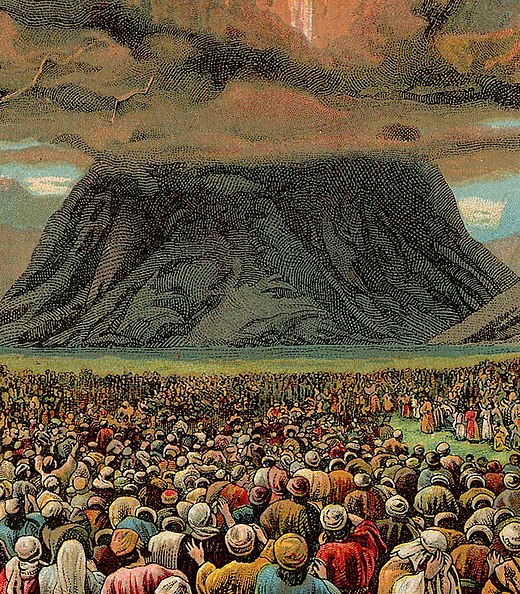
On the third day, amidst thunder, lightning, a thick cloud, and the sound of a shofar, Mount Sinai trembles as God descends upon it. The Israelites witness an unparalleled spiritual experience as God proclaims the Ten Commandments, a set of fundamental laws that form the basis of ethical and religious life.
The Ten Commandments: A Moral and Spiritual Code
The Ten Commandments (Aseret HaDibrot) are at the core of Judaism’s moral framework:
- I am the Lord your God – Acknowledging God’s existence and role as the ultimate authority.
- You shall have no other gods before Me – Prohibiting idolatry and emphasizing monotheism.
- You shall not take the name of the Lord in vain – Encouraging reverence for God’s name.
- Remember the Sabbath day and keep it holy – Instituting a day of rest and spiritual reflection.
- Honor your father and mother – Upholding family values and respect for parents.
- You shall not murder – Affirming the sanctity of human life.
- You shall not commit adultery – Preserving the sanctity of marriage.
- You shall not steal – Protecting property rights and ethical conduct.
- You shall not bear false witness – Ensuring honesty in legal and social matters.
- You shall not covet – Cultivating contentment and rejecting jealousy.
These commandments provide a moral compass for individuals and society, transcending religious boundaries and influencing legal and ethical systems worldwide.
The Impact and Lessons of Parashat Yitro
1. The Importance of Leadership and Delegation
Yitro’s advice to Moses underscores the significance of effective leadership. A great leader not only takes responsibility but also empowers others by delegating authority. This model of shared governance ensures efficiency and prevents burnout, a lesson relevant in both spiritual and secular leadership today.
2. Preparation for Holiness
The Israelites’ three-day preparation before receiving the Torah teaches that spiritual growth requires readiness and effort. The process of purification and anticipation enhances the significance of the experience, emphasizing that true transformation comes with dedicated preparation.
3. The Universality of the Ten Commandments
While the Torah was given specifically to the Jewish people, the ethical principles of the Ten Commandments have influenced civilizations worldwide. The values of honesty, justice, respect, and faith form the foundation of many legal and moral systems.
4. The Power of Divine Revelation
The dramatic revelation at Sinai marks a pivotal moment in Jewish history. Unlike other religions where divine teachings are often received by a single prophet, the Torah was given in the presence of an entire nation, reinforcing its authenticity and collective significance.
Conclusion
Parashat Yitro encapsulates key aspects of faith, leadership, and divine revelation. Yitro’s counsel to Moses offers timeless wisdom on governance and responsibility, while the revelation at Sinai establishes the foundational laws that guide Jewish life. The Ten Commandments continue to serve as a universal moral guide, shaping societies and individuals alike. As we reflect on this parasha, we are reminded of the importance of wise leadership, spiritual preparation, and the eternal relevance of God’s commandments.
Read more parasha HaShavua on blog israel.