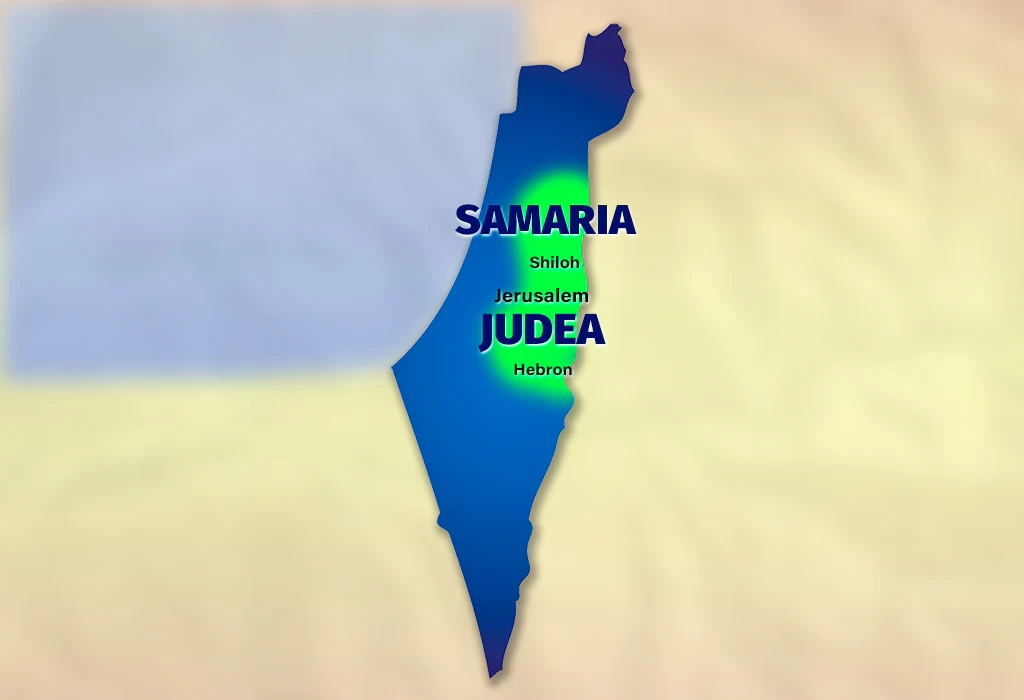
 Real estate in the Judea and Shomron
Buying real estate in the Judea and Shomron regions of Israel involves some unique legal and political considerations, as these areas are located in the West Bank, which is subject to different laws and regulations compared to other parts of Israel.
Key Considerations for Buying Real Estate in Judea and Shomron:
1. Legal Status
- Israeli Settlements: In Judea and Shomron, there are Israeli settlements that are considered legal under Israeli law. Properties in these settlements can generally be bought and sold by Israelis, both residents and foreigners.
- Palestinian Authority-controlled Areas: In some parts of the West Bank, areas are governed by the Palestinian Authority, where Israeli citizens are not permitted to purchase property. If the property is located in one of these areas, you would need to ensure the property is within an Israeli settlement or area controlled by Israel.
2. Purchasing Process
- Israeli Law Applies to Settlements: If you are buying property in an Israeli settlement in Judea or Samaria, the process is similar to purchasing property within Israel proper, including the requirement to work with Israeli lawyers, banks, and governmental authorities.
- Land Ownership: The land in Judea and Samaria is largely government-owned, even if it is located within a settlement. Buyers typically purchase the rights to the land rather than full ownership.
3. Military Permissions
- Military Approval: Some properties in these regions, especially those located near sensitive areas or within certain zones, may require military approval for purchase or construction. This is part of the ongoing security regulations in the West Bank.
4. Financing
- Mortgages: Similar to other parts of Israel, Israeli banks generally provide mortgages for the purchase of real estate in Judea and Shomron settlements, though they may have stricter conditions in place due to the location’s complexity. Foreign buyers can also secure mortgages, but it might be subject to additional scrutiny.
- Government Subsidies: For Israeli citizens, there are sometimes government subsidies or discounts available for buying in these areas, particularly if you’re purchasing a property in a new settlement.
5. Taxes and Fees
- Purchase Tax: Buyers in Judea and Shomron are required to pay the standard Israeli purchase tax (Mas Rechisha), though it may vary depending on whether the property is a new or second-hand one.
- VAT: As with other regions in Israel, VAT may apply to newly built properties.
6. Security and Political Risk
- Security Concerns: While the Israeli government provides security to settlements, the region is subject to political and security tensions, which can affect property values and personal safety.
- Political Sensitivity: There can be international political sensitivities when purchasing property in these areas. Some countries do not recognize Israeli sovereignty in the West Bank, which can lead to legal and diplomatic complications for foreign buyers.
7. Popular Areas in Judea and Samaria
- Shomron (Samaria): This region includes well-known settlements like Ariel, Kedumim, and Karnei Shomron. It is located to the north of the West Bank and offers more affordable options compared to central Israel.
- Judea: Settlements in this area include Efrat, Alon Shvut, and Gush Etzion, which are located south of Jerusalem. These areas are more established and are close to Jerusalem, making them popular with families and investors. You can also buy excellent real estate in other areas such as Har Hevron. Much more affordable.
8. Land Registration
- Israeli Land Registry: Properties in settlements are registered with the Israeli Land Registry (Tabu), ensuring legal ownership in Israeli law.
9. Development and Growth
- Expansion: Some settlements in Judea and Samaria are actively expanding, with new residential areas and infrastructure projects being developed. This can make the region an attractive option for investors looking for long-term growth.
10. Political and Legal Challenges
- International Perspective: Some countries and international organizations consider settlements in Judea and Samaria to be illegal under international law, although Israel disputes this. Foreign buyers should be aware of the potential for legal challenges or changes in policy if they are not citizens of Israel.
In conclusion, buying property in Judea and Samaria can be an attractive investment opportunity for those who are comfortable with the political complexities and are seeking affordable housing options. However, it’s crucial to conduct thorough due diligence, seek professional legal counsel, and understand the potential risks involved, both from a legal and a security standpoint.