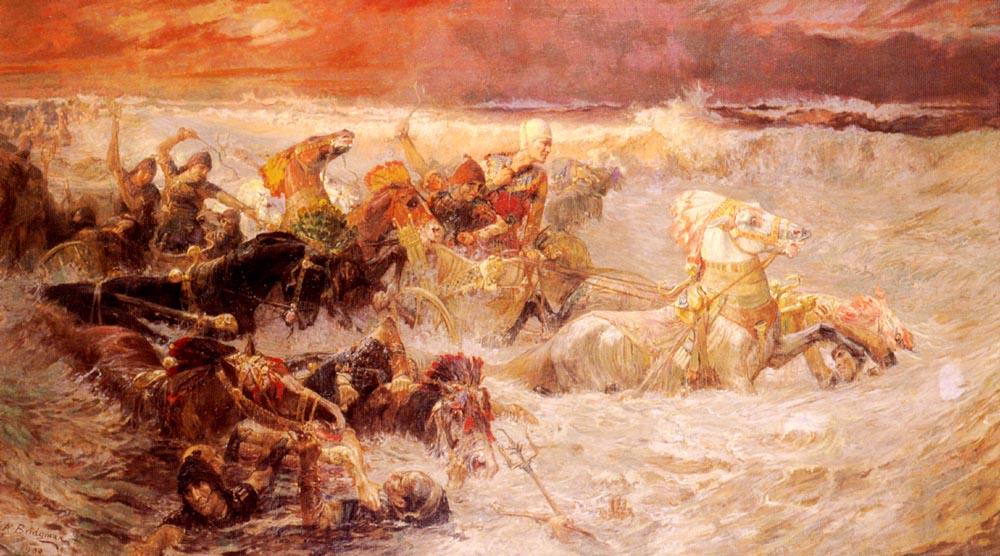
Parashat Beshalach: The Song of Redemption
 Parashat Beshalach, one of the most dramatic portions in the Torah, recounts the miraculous splitting of the Red Sea, the triumphant Song of the Sea, and the early challenges faced by the Israelites in the wilderness. This portion, found in Exodus 13:17–17:16, marks a crucial turning point in the journey from slavery to freedom, highlighting themes of divine providence, faith, and sustenance.
The Exodus and the Splitting of the Sea
The portion begins with Pharaoh finally allowing the Israelites to leave Egypt after the devastating tenth plague. However, God leads them on a roundabout route toward the Red Sea, rather than the direct path through the land of the Philistines, to prevent them from turning back at the first sign of war. As they travel, God’s presence is evident in the form of a pillar of cloud by day and a pillar of fire by night.
Pharaoh, regretting his decision, pursues the Israelites with his army, trapping them between the sea and the advancing Egyptian forces. The Israelites, in panic, cry out to Moses, who reassures them with the famous words: “The Lord will fight for you, and you shall remain silent” (Exodus 14:14). At God’s command, Moses stretches out his staff, and the sea miraculously splits, allowing the Israelites to cross on dry land. When the Egyptians attempt to follow, the waters crash down upon them, drowning Pharaoh’s forces and sealing Israel’s miraculous deliverance.
The Song of the Sea: Shirat HaYam
In response to this overwhelming salvation, Moses and the Israelites sing the “Shirat HaYam” (Song of the Sea), an exalted hymn of praise to God. The song celebrates God’s power, justice, and faithfulness, proclaiming: “The Lord is my strength and my song; He has become my salvation” (Exodus 15:2).
Miriam, Moses’ sister, leads the women in song and dance, reinforcing the communal nature of their joy. This moment is one of the first recorded instances of women’s leadership in Jewish worship and highlights the role of music in spiritual expression.
Challenges in the Wilderness: Faith and Sustenance
Despite witnessing God’s miracles, the Israelites quickly began to complain when faced with the hardships of the wilderness. They first struggle with a lack of drinking water at Marah, where God instructs Moses to sweeten the bitter waters with a piece of wood. This episode introduces the concept of divine testing and faith in God’s provision.
Next, the people express hunger, longing for the food of Egypt. In response, God provides manna, a mysterious, heavenly sustenance that appears each morning. The Israelites are commanded to collect only what they need for each day, reinforcing trust in God’s daily provision. A double portion falls on Fridays in preparation for Shabbat, introducing the sacred concept of a day of rest, which will later be formalized in the Ten Commandments.
At Rephidim, the Israelites once again find themselves without water, and God instructs Moses to strike a rock, miraculously bringing forth water. This episode, while showcasing God’s continued provision, also foreshadows later events when Moses’ striking of the rock in frustration will lead to consequences.
The Battle Against Amalek
Parashat Beshalach concludes with an unexpected attack by Amalek, a hostile nation seeking to destroy the vulnerable Israelites. In this battle, Moses stands on a hill, raising his hands in prayer, while Joshua leads the troops below. As long as Moses’ hands remain raised, Israel prevails. This moment underscores the power of faith, leadership, and communal support. The battle ends with Amalek’s defeat and a divine decree that their memory will one day be blotted out.
Themes and Lessons from Parashat Beshalach
- Faith in the Face of Fear: The Israelites’ transition from fear to faith is a central theme. Even after witnessing God’s wonders, they struggle with trust. This mirrors human nature—the difficulty of maintaining faith in challenging times.
- Divine Provision: The giving of manna and water teaches the lesson of daily reliance on God. Just as the Israelites had to trust in divine sustenance, people today can reflect on gratitude and faith in times of uncertainty.
- The Power of Song and Praise: The Song of the Sea is a reminder of the importance of expressing gratitude and joy. In Jewish tradition, this portion is read on Passover and included in daily prayers as a reminder of redemption.
- Spiritual Leadership and Support: Moses, Aaron, and Miriam each play vital roles in guiding the people. The image of Moses’ upheld hands illustrates that spiritual and communal support is crucial for overcoming challenges.
Conclusion
Parashat Beshalach is a story of redemption, faith, and the trials of newfound freedom. The dramatic events—from the splitting of the sea to the provision of manna and water—illustrate God’s active role in guiding His people. As Jews read this portion each year, they are reminded of the enduring lessons of trust, gratitude, and divine support on their own journeys through life.