
Building New Settlements in Israel: A Zionist Vision for the Future
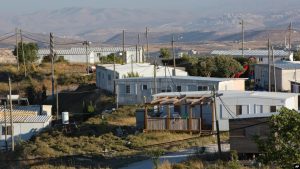
New Settlements in Israel
The call to build new settlements in Israel resonates deeply with the Zionist dream—a vision of a thriving Jewish homeland rooted in history, faith, and the unyielding spirit of a people determined to secure their future. As of March 3, 2025, Israel stands at a crossroads, facing both opportunity and challenge in a region marked by complexity. Expanding Jewish communities through new settlements in Israel is not just a practical step; it’s a reaffirmation of the Zionist ethos that birthed the modern state in 1948. This article explores why constructing new settlements in Israel is essential to the Zionist mission, addressing their historical significance, strategic necessity, and role in shaping a resilient Jewish future.
The Zionist Roots of Settlement
Zionism, at its core, is about the return of the Jewish people to their ancestral land—Eretz Yisrael—and the establishment of a sovereign state where Jews can live freely and securely. The creation of new settlements in Israel embodies this vision, echoing the pioneering spirit of the early Zionists who transformed swamps and deserts into flourishing kibbutzim and towns over a century ago. Theodor Herzl, the father of modern Zionism, dreamed of a homeland where Jews could reclaim their destiny. That dream didn’t end with Israel’s independence; it evolved into a mandate to populate and develop the land fully.
Historically, new settlements in Israel have been the backbone of this reclamation. From the First Aliyah in the 1880s to the post-1967 Six-Day War expansion into Judea and Samaria (the West Bank), each wave of settlement strengthened Israel’s foothold. Today, with over 490,000 Jews living in West Bank settlements and additional communities in the Golan Heights and East Jerusalem, the Zionist project has proven its vitality. Building more new settlements in Israel isn’t just about growth—it’s about fulfilling a covenant with history, ensuring that every corner of the land promised to Abraham thrives with Jewish life.
A Strategic Imperative for New Settlements in Israel
In 2025, Israel faces persistent threats—hostile neighbors, terrorism, and international pressure to cede territory. New settlements in Israel serve as a strategic bulwark, securing borders and asserting sovereignty over contested areas. The Zionist perspective holds that land unoccupied or undeveloped risks being claimed by adversaries, a lesson learned from the pre-state era when Arab rejectionism met Jewish resolve with violence. By establishing new settlements in Israel, particularly in Judea, Samaria, and the Negev, the state reinforces its defensive depth and deters encroachment.
Take Judea and Samaria, for instance. Critics call these areas “occupied,” but Zionists see them as liberated parts of the biblical heartland, integral to Israel’s security. New settlements in Israel, like those planned in Gush Etzion or near Jerusalem, create a contiguous Jewish presence that complicates any future partition. In February 2025, reports emerged of tenders for nearly 1,000 new housing units in Efrat, a move hailed by Zionist advocates as a bold step forward. Such developments ensure that Israel’s eastern flank remains robust against threats from Jordan or Palestinian factions, proving that settlement isn’t just ideological—it’s practical.
The Negev, too, beckons for new settlements in Israel. Covering over half of Israel’s landmass, this southern region remains sparsely populated, with Bedouin encampments often outnumbering Jewish communities. Expanding new settlements in Israel here would bolster national security along the Egyptian border, curb illegal land grabs, and unlock economic potential through agriculture and tech hubs. Zionism thrives on turning the desolate into the dynamic, and the Negev is ripe for this transformation.
Economic and Demographic Growth Through Settlement
Beyond strategy, new settlements in Israel drive economic and demographic vitality—key pillars of a strong Zionist state. Israel’s population, nearing 10 million in 2025, grows steadily, fueled by high birth rates among religious Jews and waves of Aliyah from the diaspora. Yet, housing shortages in urban centers like Tel Aviv and Jerusalem push prices skyward, making new settlements in Israel a practical solution to accommodate this growth.
Consider the economic ripple effects. Constructing new settlements in Israel creates jobs—builders, engineers, and planners benefit directly, while new communities attract businesses, schools, and infrastructure investment. The World Zionist Organization’s Settlement Division, historically tasked with such projects, could spearhead efforts in underdeveloped regions like the Galilee or Jordan Valley. These new settlements in Israel wouldn’t just house people; they’d cultivate self-sustaining economies, reducing reliance on overcrowded coastal cities.
Demographically, new settlements in Israel counter the narrative of a shrinking Jewish majority. By encouraging young families and immigrants to settle in Judea, Samaria, or the periphery, Israel ensures its Jewish character endures. The Zionist ideal isn’t static—it demands growth, and new settlements in Israel are the engine of that expansion. In 2025, with global antisemitism driving more Jews homeward, the need for space to absorb them is urgent. Settlement isn’t an option; it’s a necessity.
Reclaiming the Narrative: New Settlements as a Zionist Statement
The international community often frames new settlements in Israel as obstacles to peace, a view Zionists reject as shortsighted and biased. From a Zionist lens, these settlements aren’t provocations—they’re affirmations of Jewish rights to the land. The United Nations and European Union may decry each new housing unit, but Zionists argue that peace doesn’t come from capitulation; it comes from strength. Building new settlements in Israel sends a message: the Jewish people aren’t temporary tenants but permanent stewards of their homeland.
This narrative shift is critical in 2025. As posts on X reflect, global sentiment often vilifies Israel’s settlement policies, with terms like “illegal” thrown around loosely. Yet, Zionists counter that legality stems from historical and biblical claims, not just modern treaties like the Geneva Convention, which Israel disputes applying to these territories. New settlements in Israel challenge the world to recognize Jewish self-determination, not just Palestinian aspirations. Every home built is a brick in the wall of Zionist legitimacy.
The Religious Dimension of New Settlements in Israel
For many Zionists, especially the Religious Zionist camp, new settlements in Israel carry profound spiritual weight. The Torah speaks of the Land of Israel as a divine inheritance, a gift to be settled and cherished. Figures like Rabbi Tzvi Yehuda Kook, a luminary of Religious Zionism, saw settlement as a mitzvah—a commandments—ushering in redemption. In 2025, this belief fuels enthusiasm for new settlements in Israel, particularly in biblical heartlands like Hebron, Shiloh, and Bethel.
The growth of communities like Itamar or Eli reflects this fervor. These new settlements in Israel aren’t mere housing projects; they’re acts of faith, reconnecting Jews to sites of ancient significance. Critics may scoff, but for Zionists, the religious imperative is inseparable from the national one. As Israel’s far-right government, bolstered by parties like Otzma Yehudit, pushes settlement expansion, this synergy of faith and action shapes policy. New settlements in Israel embody the messianic hope that the Jewish return heralds a greater destiny.
Overcoming Obstacles to New Settlements in Israel
Opposition to new settlements in Israel is fierce, both domestically and globally. Left-leaning Israelis argue they inflame tensions with Palestinians, while the Biden administration, as of 2025, has reverted to calling them “inconsistent with international law.” Yet, Zionists see these hurdles as tests of resolve. The Oslo Accords are dead, they say, killed by Palestinian rejectionism and terror. Why, then, should Israel halt new settlements in Israel when the other side offers no viable peace?
Logistically, funding and infrastructure pose challenges. The Israeli government, alongside the Jewish Agency and World Zionist Organization, must prioritize budgets for new settlements in Israel, especially in remote areas. In 2025, Finance Minister Bezalel Smotrich’s pledge to approve thousands of units signals commitment, but execution requires coordination. Water, roads, and security for new settlements in Israel demand investment—yet Zionists argue the long-term gains outweigh short-term costs.
A Vision for 2030: New Settlements in Israel’s Future
Imagine Israel in 2030 with dozens of new settlements in Israel dotting the landscape. The Negev blooms with tech villages, the Galilee hosts thriving Jewish towns, and Judea and Samaria form an unbroken chain of communities from Jerusalem to the Jordan Valley. This isn’t fantasy—it’s the Zionist blueprint. New settlements in Israel could house half a million more Jews, drawn by affordable living and a sense of purpose. Aliyah would surge, with diaspora Jews flocking to a nation unafraid to grow.
This vision aligns with Ariel Sharon’s 1977 dream of 2 million Jews in the West Bank—a goal unmet but not abandoned. New settlements in Israel would fulfill Likud’s declaration that the land is the Jewish people’s “inalienable heritage.” By 2030, these communities could shift the demographic balance, making any talk of a Palestinian state obsolete. Zionists see this not as conquest but as completion—a homeland fully realized.
The Moral Case for New Settlements in Israel
Critics decry new settlements in Israel as unjust, citing Palestinian displacement. Zionists counter that Jewish survival trumps competing claims in a region where Jews were expelled centuries ago. The 1948 Nakba, they argue, was matched by the Jewish exodus from Arab lands—history balances the scales. New settlements in Israel don’t erase Palestinians; they assert coexistence under Jewish sovereignty, a model tested in mixed cities like Hebron.
Morally, Zionists frame settlement as reclamation, not theft. The land, left fallow or contested, finds purpose under Jewish stewardship. In 2025, with antisemitism spiking globally, new settlements in Israel offer refuge—a moral imperative to protect a people perpetually targeted. Zionism isn’t about domination; it’s about endurance.
Conclusion: Building the Zionist Tomorrow
On March 3, 2025, the case for new settlements in Israel is clear: they are the lifeblood of Zionism’s next chapter. Strategically, they secure the state; economically, they fuel growth; spiritually, they fulfill a divine call. Opposition will persist, but Zionists have never shied from struggle—it’s the crucible of their success. New settlements in Israel aren’t just homes; they’re declarations of permanence, resilience, and hope.
The time to act is now. With every bulldozer that breaks ground, Israel moves closer to Herzl’s vision—a Jewish state not just surviving, but thriving. New settlements in Israel are the vanguard of that future, a testament to a people who, against all odds, build their destiny one stone at a time.