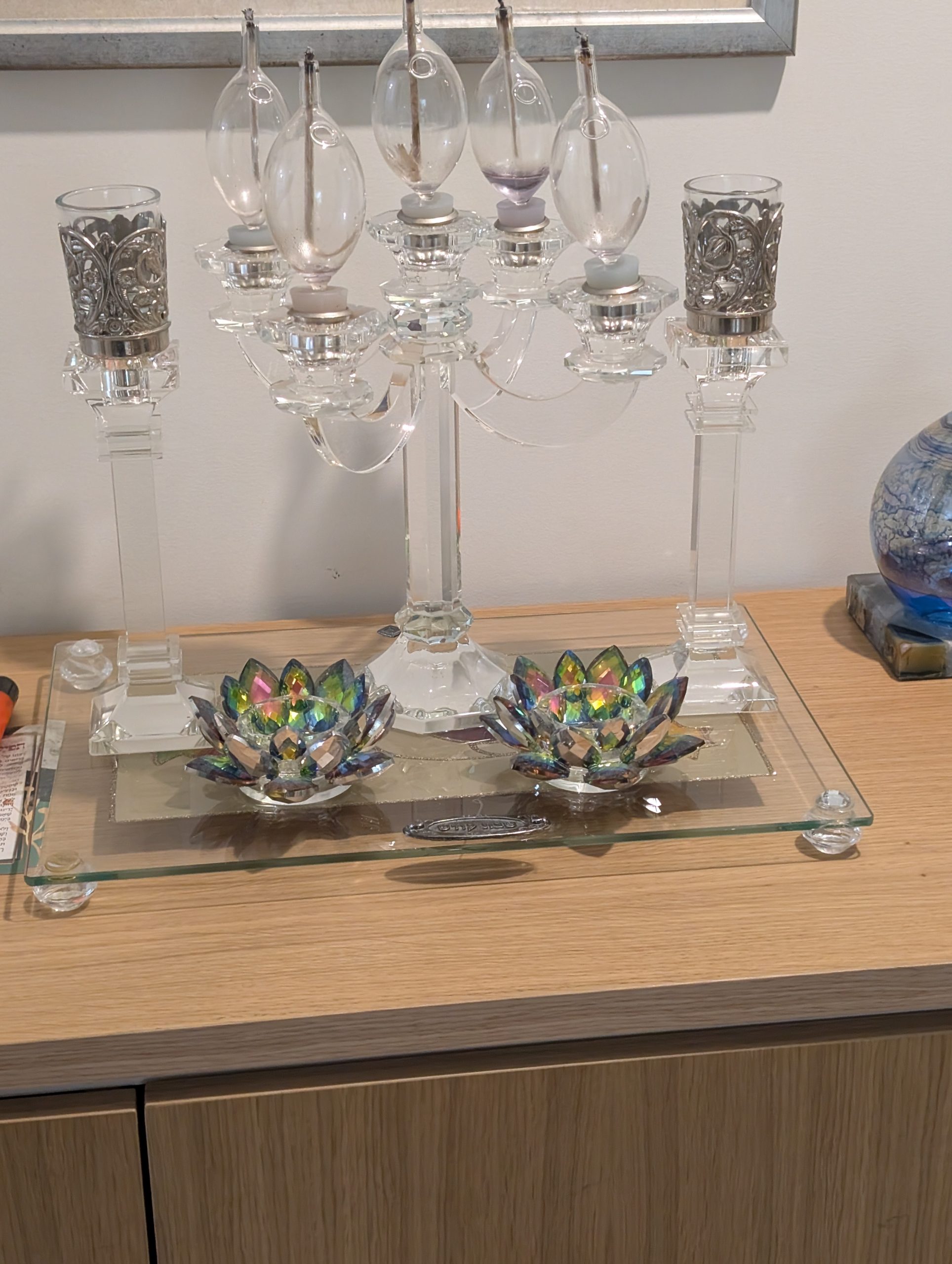
Exploring the Vibrant World of Judaica Israeli Artists
 The world of Judaica Israeli artists is a captivating blend of tradition, spirituality, and modern creativity. These artists draw inspiration from Jewish heritage, the landscapes of Israel, and the rich tapestry of cultural and religious motifs to create works that resonate with meaning and beauty. From intricate ritual objects to contemporary wall art, Judaica Israeli artists are redefining Jewish art while honoring its deep roots. This article delves into the contributions, styles, and significance of Judaica Israeli artists, highlighting their impact on both local and global art scenes.
The Legacy of Judaica Israeli Artists
Judaica art has a storied history, rooted in centuries of Jewish tradition and craftsmanship. Judaica Israeli artists continue this legacy by creating objects and artworks that serve both spiritual and aesthetic purposes. Items like mezuzot, menorahs, kiddush cups, and seder plates are not just functional; they are expressions of faith, identity, and connection to the Land of Israel. These artists often draw from biblical narratives, Jewish holidays, and the natural beauty of places like Jerusalem, Safed, and the Judean Desert to craft pieces that are both timeless and contemporary.
The Bezalel Academy of Arts and Design in Jerusalem, established in 1906, has played a pivotal role in shaping the trajectory of Judaica Israeli artists. Founded by Boris Schatz, the academy emphasized the integration of Jewish themes with modern artistic techniques, fostering a generation of artists who blended tradition with innovation. Today, graduates like Yair Emanuel and Jordana Klein continue to push boundaries, creating Judaica that is both functional and visually striking. Their work reflects a deep connection to Jewish heritage while embracing modern aesthetics, making it appealing to a global audience.
Key Characteristics of Judaica Art by Israeli Artists
Judaica Israeli artists are known for their ability to fuse traditional motifs with contemporary styles. Their work often incorporates vibrant colors, bold patterns, and a variety of mediums, including oil paintings, watercolors, metalwork, and ceramics. Here are some defining characteristics of their art:
-
Spiritual Symbolism: Many pieces feature symbols like the Star of David, pomegranates, hamsas, and verses from the Torah or Psalms. These elements infuse the art with spiritual significance, making it a meaningful addition to Jewish homes and synagogues.
-
Connection to the Land of Israel: Landscapes of Jerusalem, Safed, and the Dead Sea often appear in paintings and prints, capturing the essence of Israel’s sacred and historical sites. Artists like Alex Levin use vibrant colors to depict these iconic locations, evoking a sense of spiritual connection.
-
Diverse Mediums: From hand-painted seder plates to intricately designed mezuzot, Judaica Israeli artists work with a range of materials, including wood, metal, glass, and stone. This diversity allows for unique expressions of creativity.
-
Modern Interpretations: Contemporary Judaica Israeli artists often blend traditional themes with modern techniques, such as digital art or 3D painting on glass. This fusion appeals to younger generations and those seeking fresh takes on classic designs.
Prominent Judaica Israeli Artists
Several Judaica Israeli artists have gained international recognition for their contributions to the art world. Their work not only celebrates Jewish culture but also pushes artistic boundaries, making them stand out in the global market.
Yair Emanuel: A Master of Color and Craft
Yair Emanuel is one of the most celebrated Judaica Israeli artists, known for his vibrant and budget-friendly designs. Based in Jerusalem, Emanuel creates a wide range of ritual objects, including menorahs, kiddush cups, and challah covers, often using wood and metal. His signature style incorporates bright colors and playful patterns, such as pomegranates and floral motifs, which bring a modern flair to traditional Judaica. Emanuel’s work is widely available through platforms like Judaica Webstore, where his pieces are praised for their accessibility and beauty.
Jordana Klein: Blending Abstract and Realism
Jordana Klein, originally from North America, has made a significant impact as a Judaica Israeli artist. Her bold, colorful paintings blend abstract and realistic elements, often incorporating traditional Jewish motifs like blessings and landscapes. Klein’s mission is to capture the beauty of God’s world, and her work, which includes wall art and home décor, resonates with those seeking meaningful Judaica. Her pieces are available at outlets like Judaica Webstore, where they are celebrated for their vibrant energy and spiritual depth.
Zoya Cherkassky: Provocative and Satirical
Zoya Cherkassky, born in Kyiv and based in Israel since 1991, is a prominent Judaica Israeli artist known for her provocative and satirical work. Her 2003 exhibition, Collectio Judaica, explored Jewish iconography through a lens of humor and irony, challenging stereotypes and engaging with anti-Semitic imagery in a thought-provoking way. Cherkassky’s multimedia approach, which includes painting, sculpture, and graphic art, has earned her recognition both in Israel and internationally. Her work is a testament to the power of Judaica Israeli artists to address complex social and cultural themes.
Alex Levin: Capturing Jewish Spirituality
Alex Levin is another standout among Judaica Israeli artists, known for his stunning landscapes and cityscapes that depict iconic Jewish locations like Jerusalem. His paintings are characterized by vibrant colors and intricate details, reflecting a deep spiritual connection to Jewish heritage. Levin’s work, available through platforms like Art Levin, has garnered worldwide praise for its ability to evoke the essence of Jewish history and culture.
The Role of Women in Judaica Israeli Art
The contributions of women to Judaica Israeli art have been transformative, particularly since the 1980s. In the 1970s, Israeli art was largely disconnected from feminism, as the country viewed itself as a state of gender equality. However, women artists, curators, and educators began to challenge this notion, bringing feminist perspectives into their work. Exhibitions like Feminine Presence (1990) and Meta-Sex-94 (1994) marked significant milestones in highlighting women’s voices in Judaica and Israeli art. Artists like Tamar Getter and curators like Galia Bar-Or played crucial roles in integrating emotional and biographical elements into their work, making it more connected to everyday life.
Today, women like Ronnit Barzel and Yaeli Vogel continue to push boundaries. Barzel, based in Givat Shmuel, creates vibrant Jewish blessings and Torah-inspired art that evoke spirituality and meaning. Vogel, a New York-based artist with strong ties to Israel, is celebrated for her acrylic and watercolor paintings that explore Jewish identity and tradition. Their work exemplifies the diversity and creativity of women among Judaica Israeli artists.
The Influence of Safed’s Mystical Art Scene
The city of Safed, nestled in Israel’s northern hills, has long been a hub for Judaica Israeli artists, particularly those inspired by Jewish mysticism and Kabbalah. Known as the spiritual heart of Jewish art, Safed’s narrow cobblestone streets are lined with galleries showcasing works that blend traditional Jewish themes with mystical elements. Artists in Safed often incorporate symbols like the Tree of Life, Hebrew letters, and celestial motifs, reflecting the city’s deep connection to Kabbalistic thought.
Painters like Avraham Loewenthal, based in Safed, create abstract works inspired by Kabbalistic teachings, using geometric shapes and vibrant colors to convey spiritual concepts. His pieces, often displayed in local galleries, attract collectors seeking Judaica with a mystical edge. Similarly, Safed’s cooperative art spaces, such as the General Exhibition Gallery, provide a platform for emerging Judaica Israeli artists to showcase their work alongside established names, fostering a vibrant community of creativity.
Emerging Trends in Judaica Israeli Art
As the global art market evolves, Judaica Israeli artists are embracing new trends that reflect changing cultural and technological landscapes. One significant trend is the integration of eco-friendly materials into their work. Artists are increasingly using sustainable materials like recycled metals, ethically sourced wood, and natural dyes to create environmentally conscious Judaica. This aligns with the growing demand for socially responsible products, appealing to buyers who prioritize sustainability alongside cultural significance.
Another trend is the rise of digital Judaica art. With advancements in technology, artists are experimenting with digital platforms to create interactive pieces, such as virtual synagogue tours or animated blessings that can be displayed on screens. These works cater to a tech-savvy audience, particularly younger generations who engage with art through digital devices. For example, artists like Adi Sidler incorporate minimalist designs into their metalwork, creating sleek mezuzot and menorahs that appeal to modern tastes while retaining traditional symbolism.
Collaborative projects are also gaining traction. Judaica Israeli artists are partnering with designers, architects, and even tech startups to create innovative pieces, such as 3D-printed ritual objects or Judaica-inspired home décor that blends seamlessly with contemporary interiors. These collaborations expand the reach of Judaica art, making it accessible to diverse audiences beyond traditional Jewish communities.
The Role of Community and Education
Judaica Israeli artists are deeply connected to their communities, often drawing inspiration from local traditions and communal practices. Community centers, synagogues, and cultural festivals across Israel provide platforms for artists to exhibit their work and engage with audiences. Events like the Jerusalem Biennale, which showcases contemporary Jewish art, offer opportunities for Judaica Israeli artists to gain visibility and connect with international collectors.
Education also plays a vital role in nurturing the next generation of Judaica Israeli artists. Beyond the Bezalel Academy, institutions like Shenkar College of Engineering, Design, and Art in Ramat Gan offer programs that blend traditional craftsmanship with modern design principles. These schools encourage students to explore Jewish themes through innovative mediums, ensuring that the legacy of Judaica art continues to evolve.
Workshops and mentorship programs in Safed and Jerusalem further support emerging artists. For instance, the Safed Artists’ Colony provides residencies where young creators can learn from established figures like Avraham Loewenthal. These initiatives foster a sense of community and continuity, ensuring that the skills and traditions of Judaica art are passed down to future generations.
The Global Impact of Judaica Israeli Artists
Judaica Israeli artists are not only shaping the local art scene but also making waves internationally. Platforms like the Israeli Center of Judaica and Kolbo Fine Judaica Gallery showcase their work to a global audience, offering everything from hand-painted seder plates to Roman glass jewelry. These marketplaces emphasize the uniqueness of Israeli art, often highlighting the artists’ connection to Jewish tradition and the Land of Israel.
Museums like the Israel Museum in Jerusalem and the Jewish Museum in New York play a crucial role in preserving and promoting Judaica Israeli art. These institutions house extensive collections that range from ancient artifacts to contemporary works, providing a platform for artists to gain recognition. The global appeal of Judaica Israeli artists lies in their ability to bridge tradition and modernity, creating pieces that resonate with diverse audiences.
The diaspora also plays a significant role in amplifying the reach of Judaica Israeli artists. Jewish communities in the United States, Europe, and beyond seek out these works for synagogues, homes, and cultural institutions, fostering a sense of connection to Israel. For example, synagogues in cities like London and Miami often commission pieces from Judaica Israeli artists to adorn their spaces, creating a bridge between the diaspora and the homeland.
Economic and Cultural Contributions
The economic impact of Judaica Israeli artists is substantial, particularly in Israel’s tourism and cultural sectors. Visitors to Israel, especially those exploring Jerusalem and Safed, often seek out Judaica art as souvenirs or meaningful keepsakes. Galleries and marketplaces in these cities thrive on the demand for authentic, handmade pieces, contributing to the local economy. Online platforms have further amplified this impact, allowing artists to sell directly to international buyers without relying solely on physical storefronts.
Culturally, Judaica Israeli artists serve as ambassadors of Jewish heritage, preserving traditions while adapting them to contemporary contexts. Their work fosters a sense of pride and identity within Jewish communities, while also introducing non-Jewish audiences to the richness of Jewish culture. For instance, exhibitions like the Jerusalem Biennale attract diverse visitors, showcasing how Judaica art transcends religious boundaries to become a universal expression of creativity and spirituality.
Challenges and Opportunities
While Judaica Israeli artists enjoy significant recognition, they face challenges in a competitive global market. The rise of mass-produced Judaica can overshadow handmade, artisanal pieces, making it essential for artists to emphasize their unique craftsmanship. Additionally, navigating cultural sensitivities, as seen in the controversial work of artists like Zoya Cherkassky, requires a delicate balance of artistic expression and respect for tradition.
However, opportunities abound. The growing interest in socially responsible purchasing has boosted demand for artisanal Judaica, as buyers seek to support local artists. Online platforms like Judaica Webstore and Ben Ari Art Gallery make it easier for artists to reach international customers, while social media allows them to connect directly with their audience. Collaborations with Jewish communities worldwide, such as synagogue gift shops and cultural festivals, further expand their reach.
The rise of e-commerce has also opened new avenues for Judaica Israeli artists. Platforms like Etsy and eBay feature dedicated sections for Judaica, where artists can sell directly to consumers. These platforms allow for greater visibility and accessibility, enabling artists to reach niche markets, such as collectors of rare Judaica or those seeking custom-made pieces. Additionally, crowdfunding platforms like Kickstarter have enabled artists to fund ambitious projects, such as large-scale installations or limited-edition series, further expanding their creative possibilities.
The Future of Judaica Israeli Art
Looking ahead, the future of Judaica Israeli artists is bright, with new technologies and global connectivity shaping the next chapter of their work. Virtual reality (VR) and augmented reality (AR) are emerging as tools for artists to create immersive experiences, such as virtual galleries that allow viewers to explore Judaica art from anywhere in the world. These technologies could revolutionize how audiences engage with Judaica, making it more interactive and accessible.
Sustainability will also play a larger role, as artists continue to explore eco-friendly materials and practices. For example, some Judaica Israeli artists are experimenting with biodegradable resins and upcycled materials to create ritual objects that align with environmental values. This trend not only appeals to eco-conscious consumers but also reflects the Jewish principle of tikkun olam (repairing the world), adding another layer of meaning to their work.
Moreover, the global Jewish diaspora will continue to drive demand for Judaica Israeli art. As Jewish communities seek to maintain their cultural and spiritual ties to Israel, artists will play a crucial role in creating works that bridge geographical divides. Collaborative exhibitions, such as those hosted by the World Jewish Congress or the Jewish Museum in London, will further elevate the visibility of Judaica Israeli artists, fostering cross-cultural dialogue and appreciation.
Conclusion
Judaica Israeli artists are at the forefront of a vibrant and evolving art form that celebrates Jewish heritage while embracing modern creativity. From the colorful designs of Yair Emanuel to the mystical works of Safed’s artists, these creators are redefining what it means to create Judaica in the 21st century. By leveraging online platforms, global marketplaces, and emerging technologies, they can share their work with a worldwide audience, ensuring that their contributions to Jewish culture and art continue to inspire for generations to come. Whether you’re seeking a meaningful piece for your home, a gift that captures the spirit of Israel, or a connection to Jewish tradition, the work of Judaica Israeli artists offers something truly special.