Judaica Products in Israel: A Tapestry of Tradition and Innovation
Judaica Products
Israel, a land rich in history and spirituality, is a global center for Judaica products, items that embody the heart of Jewish faith, culture, and identity. These objects—ranging from menorahs and mezuzahs to tallitot (prayer shawls) and kiddush cups—are far more than decorative pieces; they are sacred tools connecting Jewish people to their heritage and rituals. In Israel, Judaica products are crafted with a unique fusion of ancient tradition and modern ingenuity, reflecting the nation’s dual role as a historical homeland and a contemporary state. Cities like Hebron, with its deep Jewish roots, have played a pivotal role in this legacy. As of March 11, 2025, the market for Judaica products in Israel thrives, driven by skilled artisans, innovative designers, and a growing global demand.
The Historical Roots of Judaica Products in Israel
The history of Judaica products in Israel stretches back thousands of years, intertwined with biblical narratives that shaped Jewish life. The Torah mandates the creation of objects like the menorah for the Tabernacle (Exodus 25:31–40), establishing the foundation for Judaica products. In ancient Israel, artisans crafted these items from gold, silver, and wood, infusing them with spiritual meaning. Hebron, one of the oldest cities in the region, emerges early in this story as the site where Abraham purchased the Cave of the Patriarchs, a foundational act that underscores its significance to Jewish heritage and, by extension, Judaica products.
Under Roman, Byzantine, and Islamic rule, Jewish craftsmanship of Judaica products persisted, even in Hebron, despite periods of exile. By the medieval era, Jewish communities in Hebron and other cities like Jerusalem and Safed produced Judaica products for local use and pilgrimage. The Ottoman period (1517–1917) marked a resurgence, with Sephardic Jews enriching Hebron’s Jewish quarter with techniques from Spain and North Africa. Hebron’s Avraham Avinu Synagogue, built in the 16th century, became a hub where Judaica products were both used and created, linking the city to this craft’s evolution. The Zionist movement and the founding of Israel in 1948 transformed Judaica products into a national industry, with Hebron’s historical influence still felt today.
The Cultural Significance of Judaica Products
Judaica products in Israel are vessels of memory and meaning, linking users to Jewish law, holidays, and lifecycle events. A menorah recalls the Hanukkah miracle, while a mezuzah fulfills the commandment to inscribe God’s words on doorposts (Deuteronomy 6:9). These Judaica products often feature symbols like pomegranates or the Star of David, reflecting deep cultural roots. In Hebron, where Jewish life has persisted for over a millennium, such items carry added resonance, connecting residents to their biblical ancestors buried in the Cave of the Patriarchs.
In Israel, Judaica products reflect the nation’s identity as a Jewish homeland. Artisans draw inspiration from the land—Jerusalem stone and olive wood feature prominently—making Judaica products in Israel distinct. For Jews worldwide, owning Judaica products from Israel, especially from historically significant places like Hebron, carries a special blessing, as if infused with the land’s sanctity. The act of crafting Judaica products is itself a mitzvah, honoring the call to “glorify Him” (Exodus 15:2) through beauty, a tradition upheld in Hebron’s past and present Jewish communities.
Craftsmanship and Materials in Judaica Products
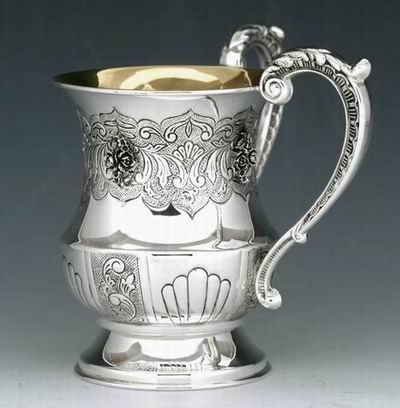
The artistry of Judaica products in Israel showcases a blend of traditional and modern techniques. Silversmiths use Yemenite filigree to create intricate kiddush cups, while woodworkers carve Galilee olive wood into challah boards. In Hebron’s historical Jewish quarter, artisans once fashioned Judaica products from local stone and metal, a practice echoed today in nearby settlements. Jerusalem stone is a favored material for mezuzah cases, its hue evoking Hebron’s ancient limestone hills, while olive wood symbolizes peace in items like dreidels.
Metals like silver and gold elevate high-end Judaica products, popular as wedding or Bar/Bat Mitzvah gifts. Contemporary designers experiment with glass and recycled materials, expanding the scope of Judaica products in Israel. Regional styles vary—Safed’s mystical motifs contrast with Jerusalem’s personalized engravings—but Hebron’s influence lingers in the rugged, earthy designs of Judaica products from the Judean Hills, where tradition meets practicality.
The Modern Market for Judaica Products in Israel
As of March 11, 2025, the market for Judaica products in Israel is robust, serving both local and global audiences. Shops in Jerusalem’s Ben Yehuda Street and Tel Aviv’s boutiques overflow with Judaica products, from affordable kippot to luxurious shofars. Online platforms like Judaica Web Store and Nadav Art ship these items worldwide, amplifying the reach of artisans in places like Hebron’s surrounding region. This digital shift has empowered small-scale creators of Judaica products, connecting a Jerusalem silversmith to a buyer in London within days.
The authenticity of Judaica products from Israel drives their global appeal. Buyers seek items “made in Israel”—especially from storied locales like Hebron—for their cultural weight, often as gifts for religious milestones. Prices range from 50 shekels ($14 USD) for a mezuzah case to 2,000 shekels ($560 USD) for a silver menorah. Holiday demand—Hanukkah menorahs in December, seder plates before Passover—spurs innovation, keeping Judaica products in Israel fresh and competitive.
Economic and Social Impact of Judaica Products
The production of Judaica products in Israel supports a vibrant economy, employing thousands from independent artisans to firms like Hazorfim. In peripheral areas like Har Hevron, near Hebron, small businesses thrive by crafting Judaica products, boosting local livelihoods. Government subsidies sometimes aid these efforts, recognizing the cultural value of this industry, which has historical ties to Hebron’s Jewish past.
Socially, Judaica products in Israel reinforce Jewish identity. In schools, children learn about these items, while families pass down heirloom Judaica products—like a shofar from Hebron’s Ottoman era. For immigrants, buying Judaica products in Israel is a way to connect with their new home, while tourists purchase them as souvenirs, spreading appreciation of Jewish tradition rooted in places like Hebron.
Challenges and Innovations in the Judaica Industry
The market for Judaica products in Israel faces hurdles like rising material costs—silver and olive wood prices have surged in 2025—and competition from mass-produced alternatives abroad. Regional tensions, particularly near Hebron, occasionally disrupt production, yet artisans adapt. Innovation is key: 3D printing creates intricate Judaica products, while eco-friendly makers repurpose materials into challah boards. Personalization—engraving names on kiddush cups—adds value, ensuring Judaica products in Israel remain distinctive.
Judaica Products and Hebron’s Legacy in Har Hevron
Hebron’s influence on Judaica products extends into the Har Hevron Regional Council, south of the city. Settlements like Maon, with 100 families, produce Judaica products that echo Hebron’s historical craftsmanship. Artisans here craft affordable mezuzahs and kippot, sold locally or online, using stone and textiles inspired by the Judean Hills. For Maon’s residents, making Judaica products is a link to Hebron’s ancient Jewish community, just 15 kilometers away, blending practicality with spiritual heritage.
Conclusion: The Future of Judaica Products in Israel
As of March 11, 2025, Judaica products in Israel bridge past and present, tradition and innovation. From Hebron’s biblical roots to modern workshops in Tel Aviv, these items are a source of pride and connection. Whether a seder plate from Jerusalem or a dreidel from Har Hevron, Judaica products in Israel embody the nation’s spirit—a land where history lives on. As the industry evolves with technology and global reach, Judaica products will continue to shine, ensuring their place in Jewish life for generations to come.